The Symptom
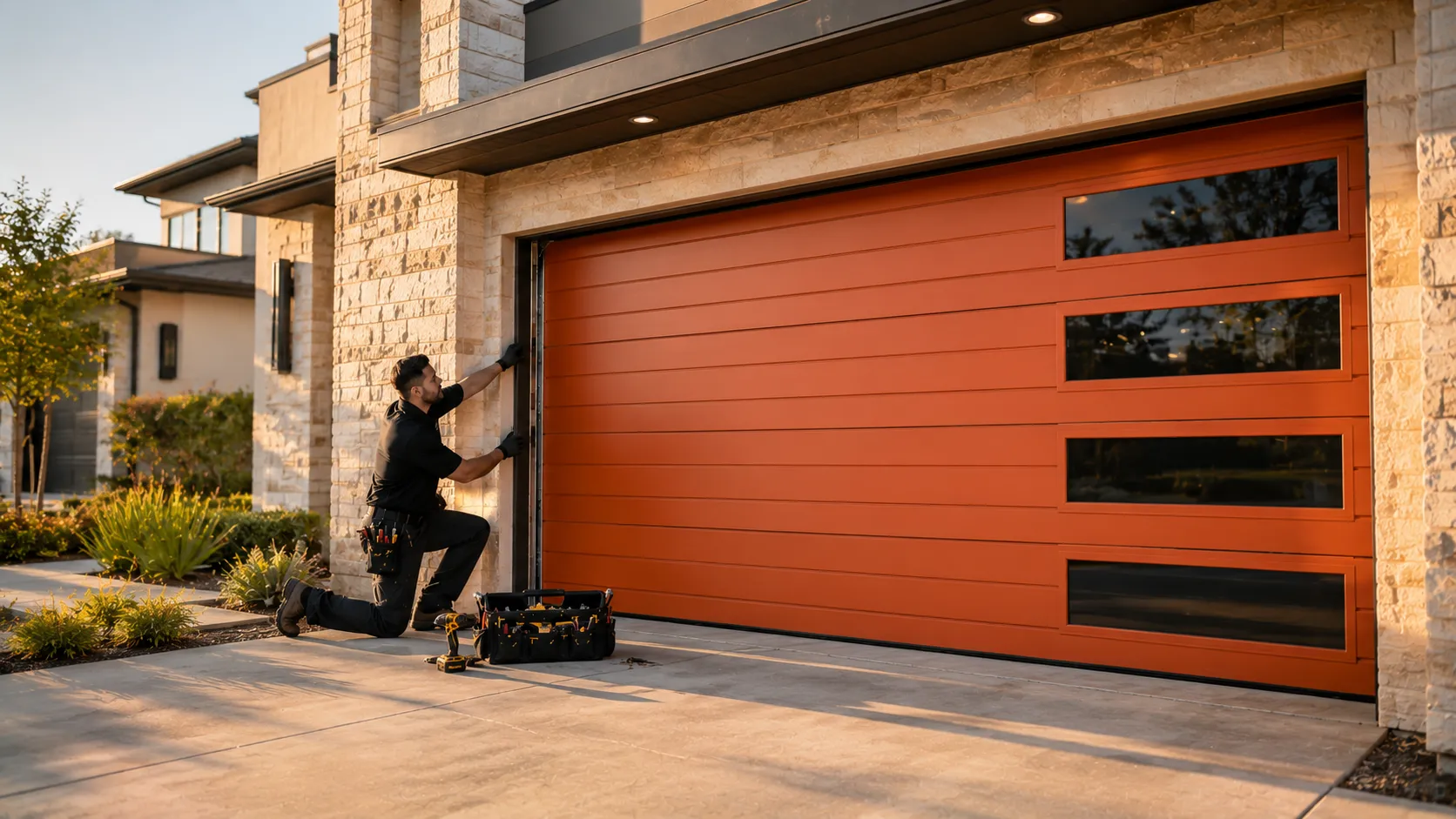
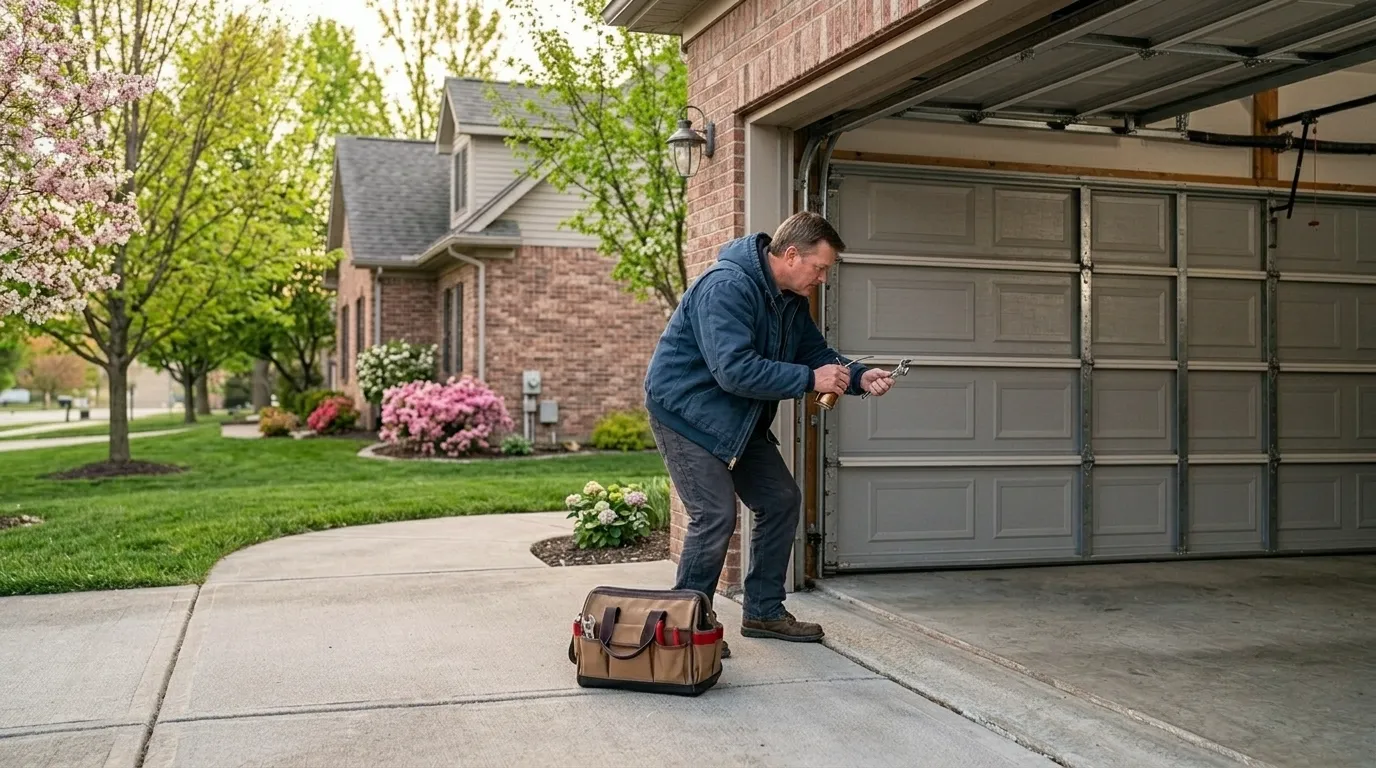
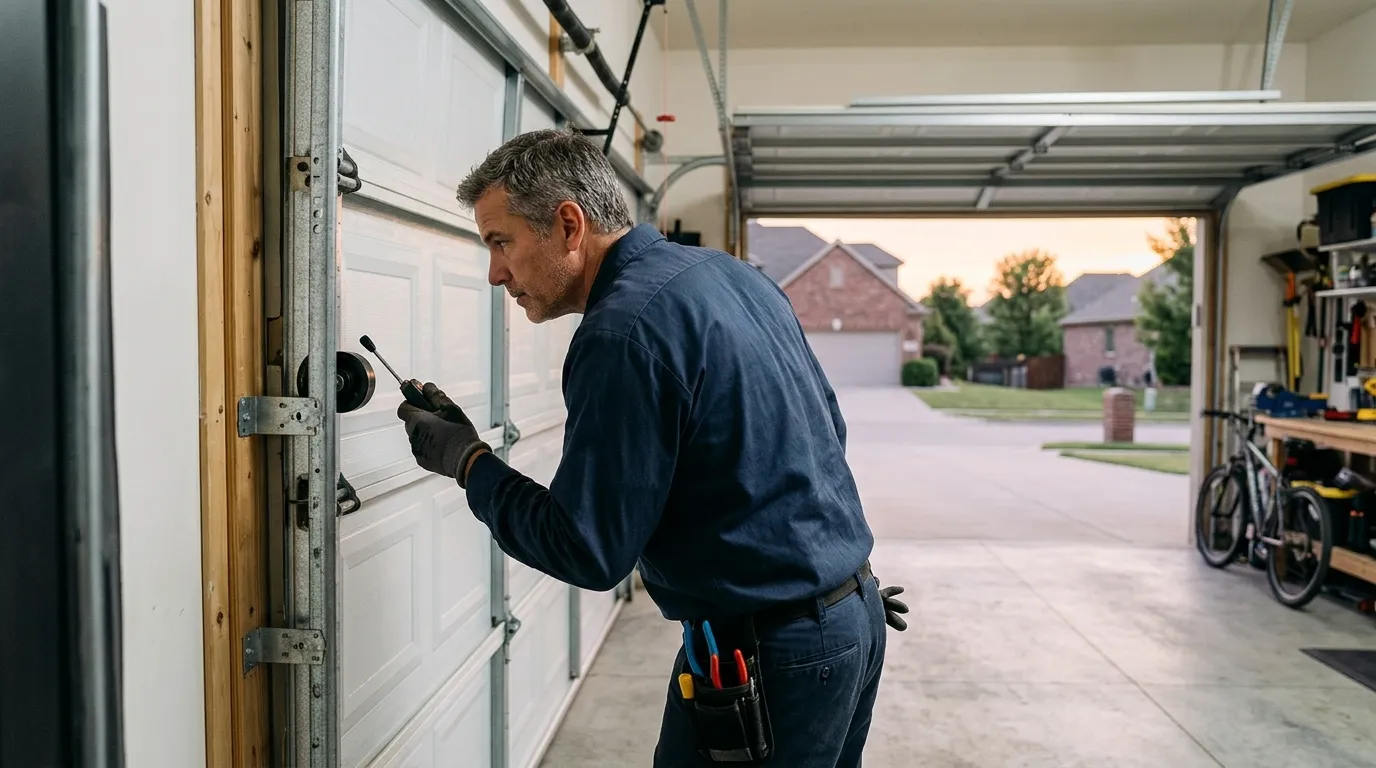
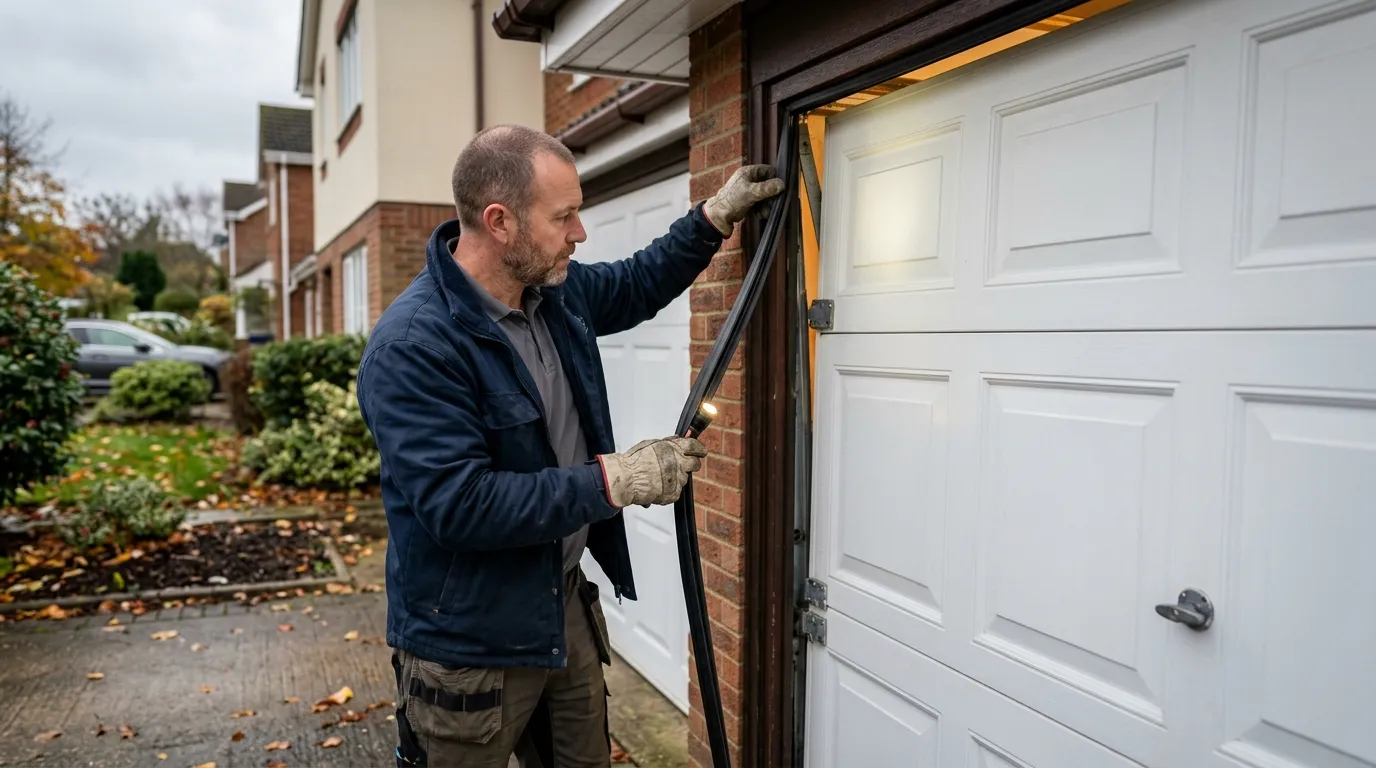
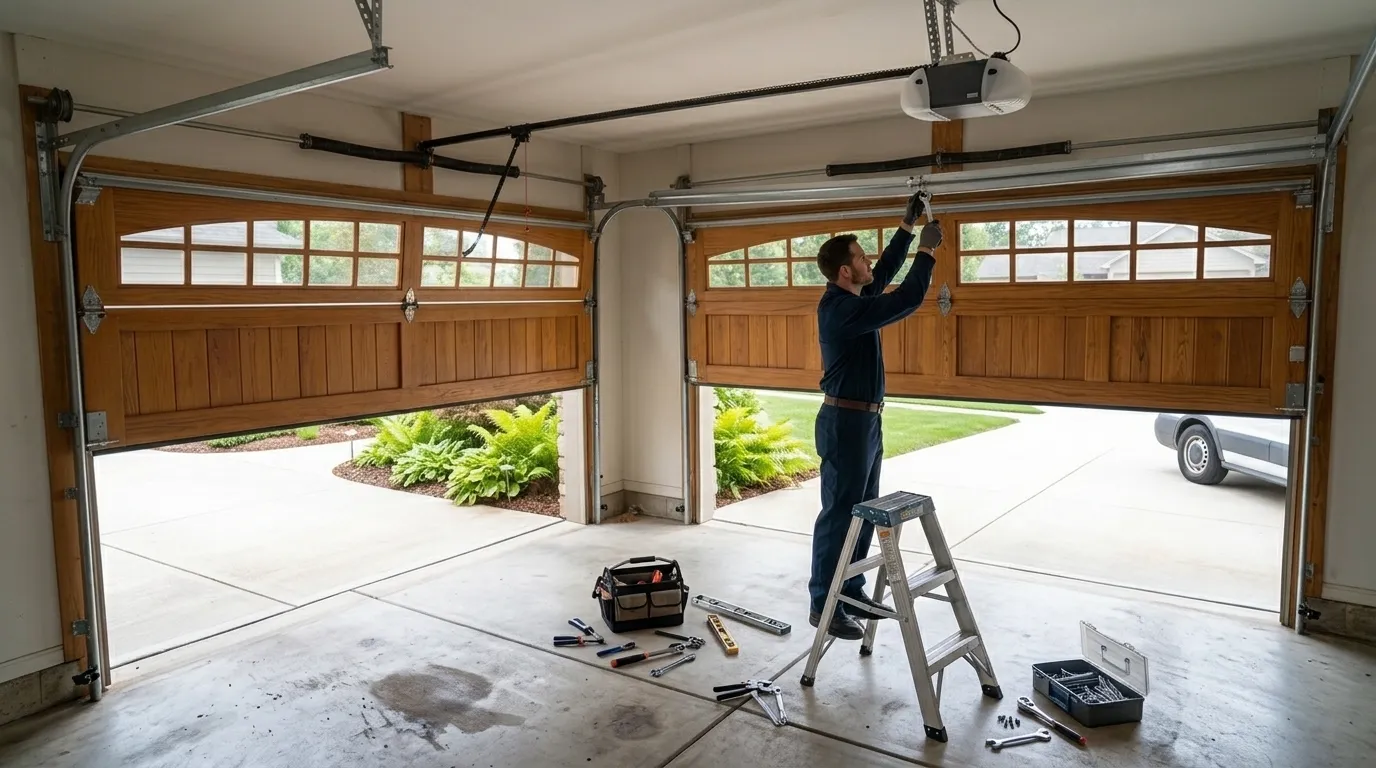
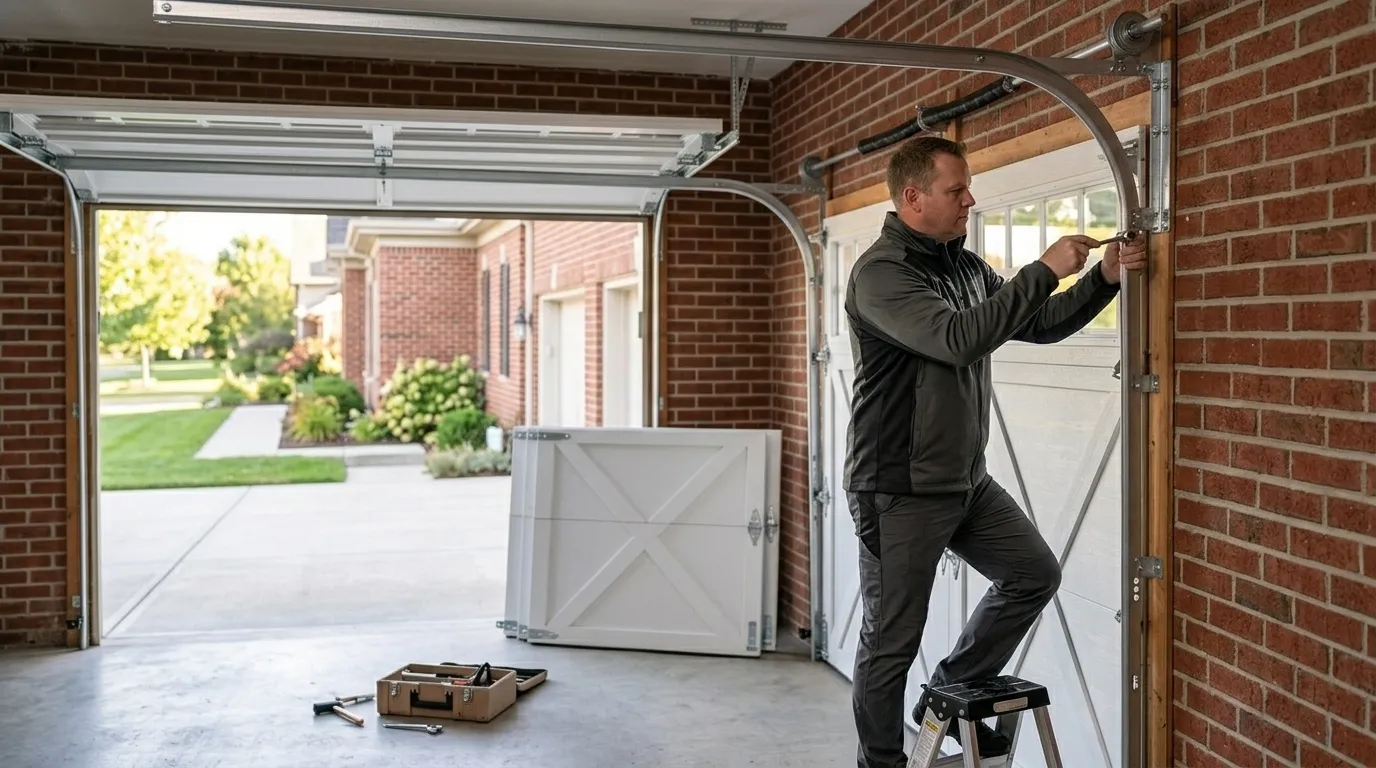
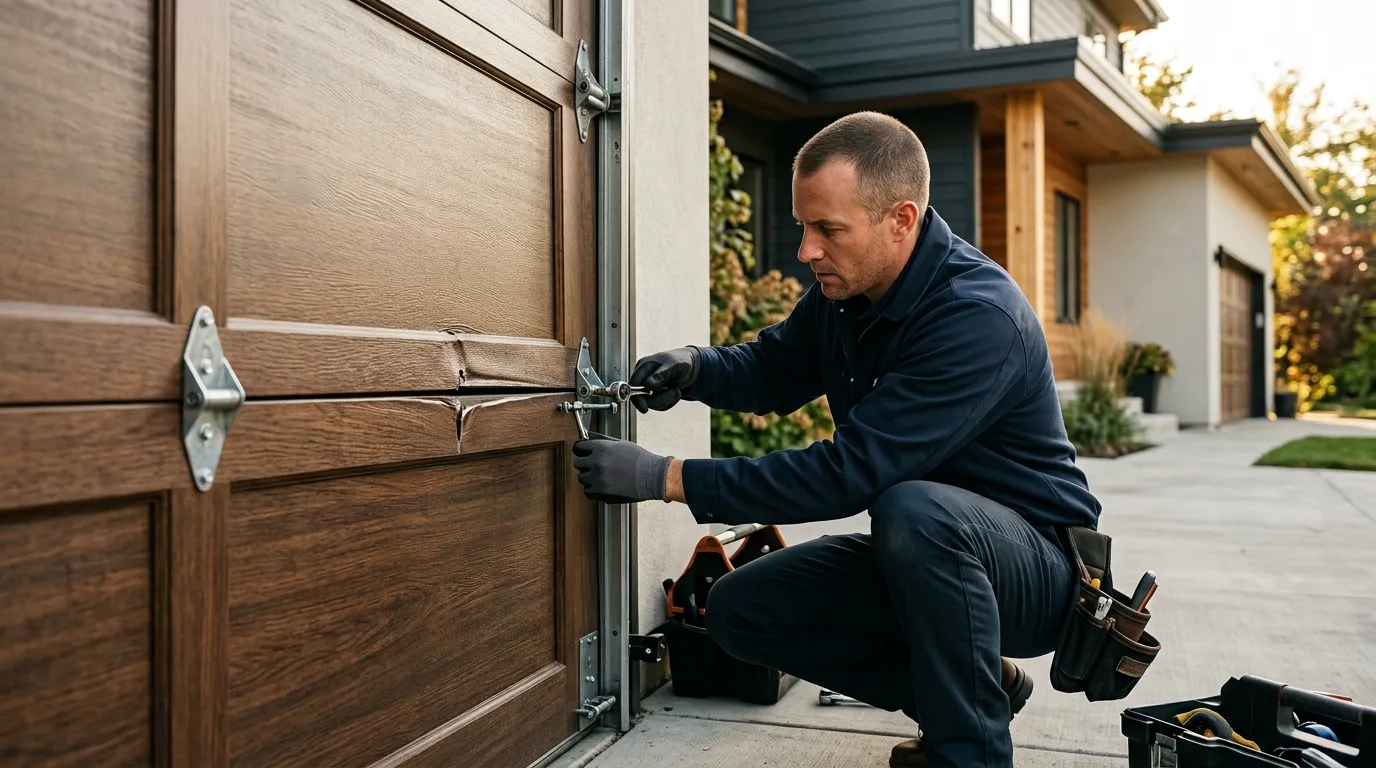
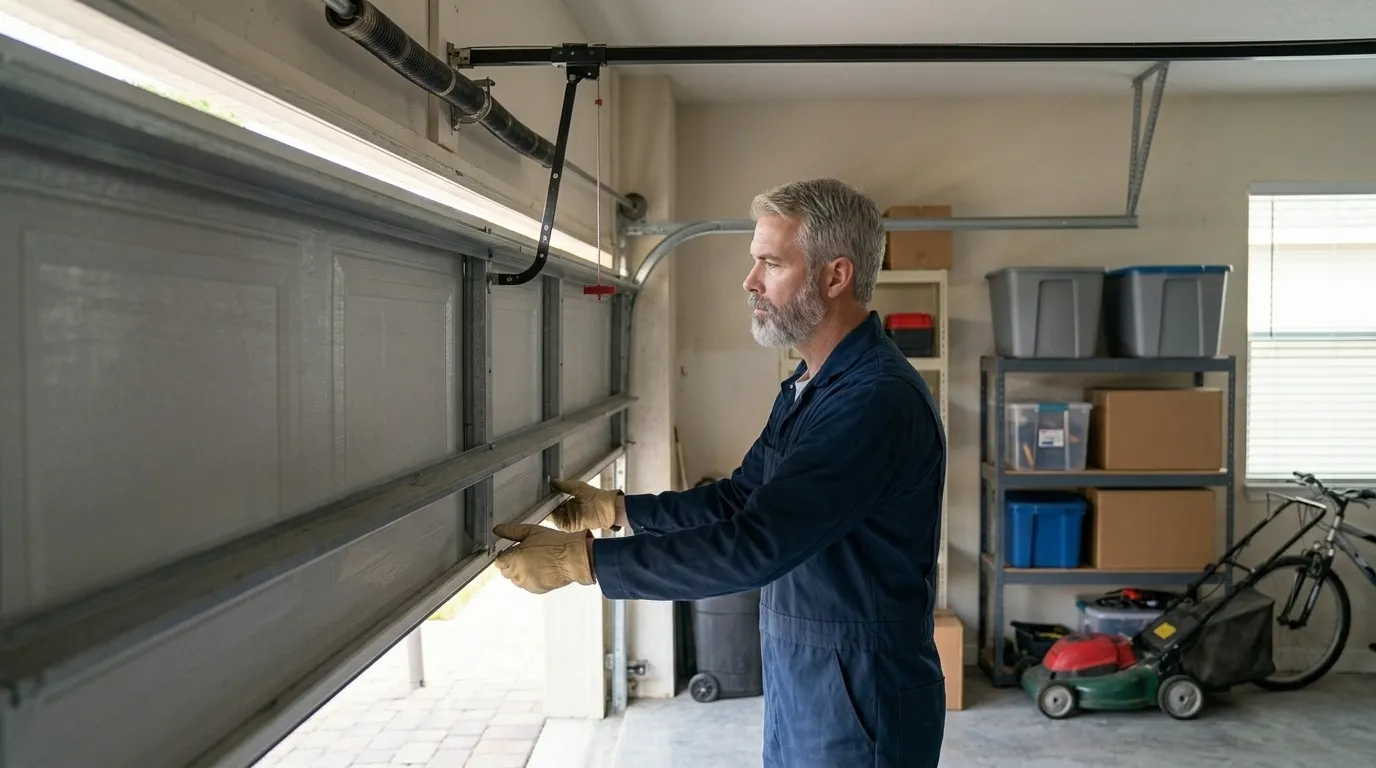
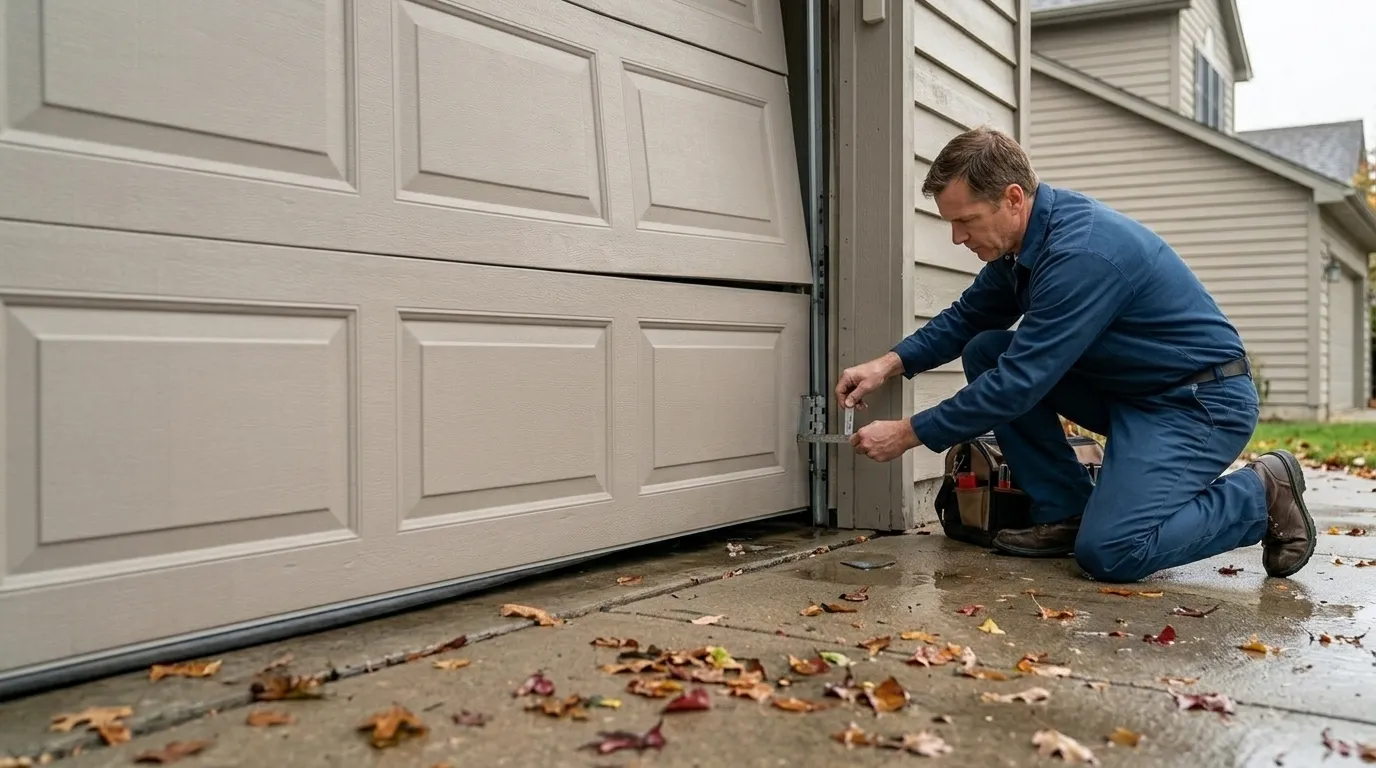
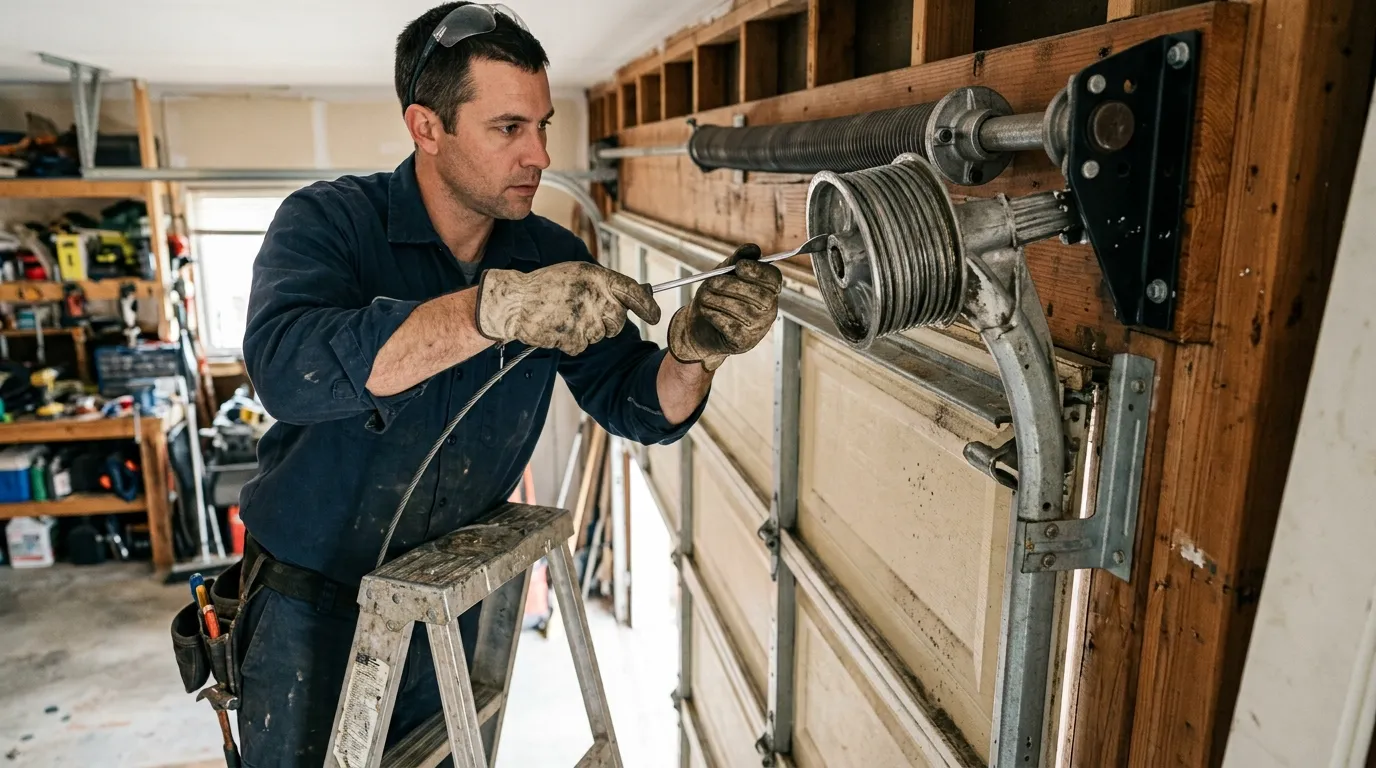
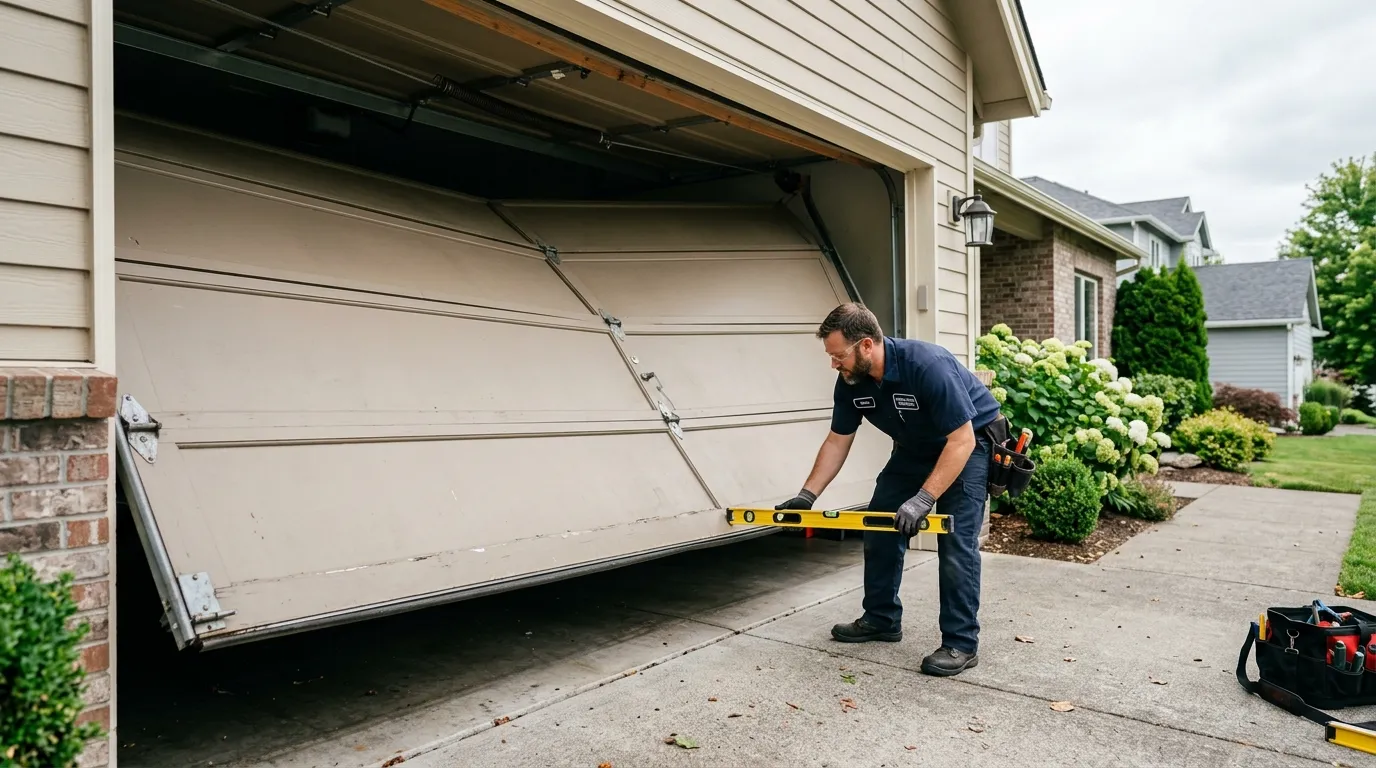
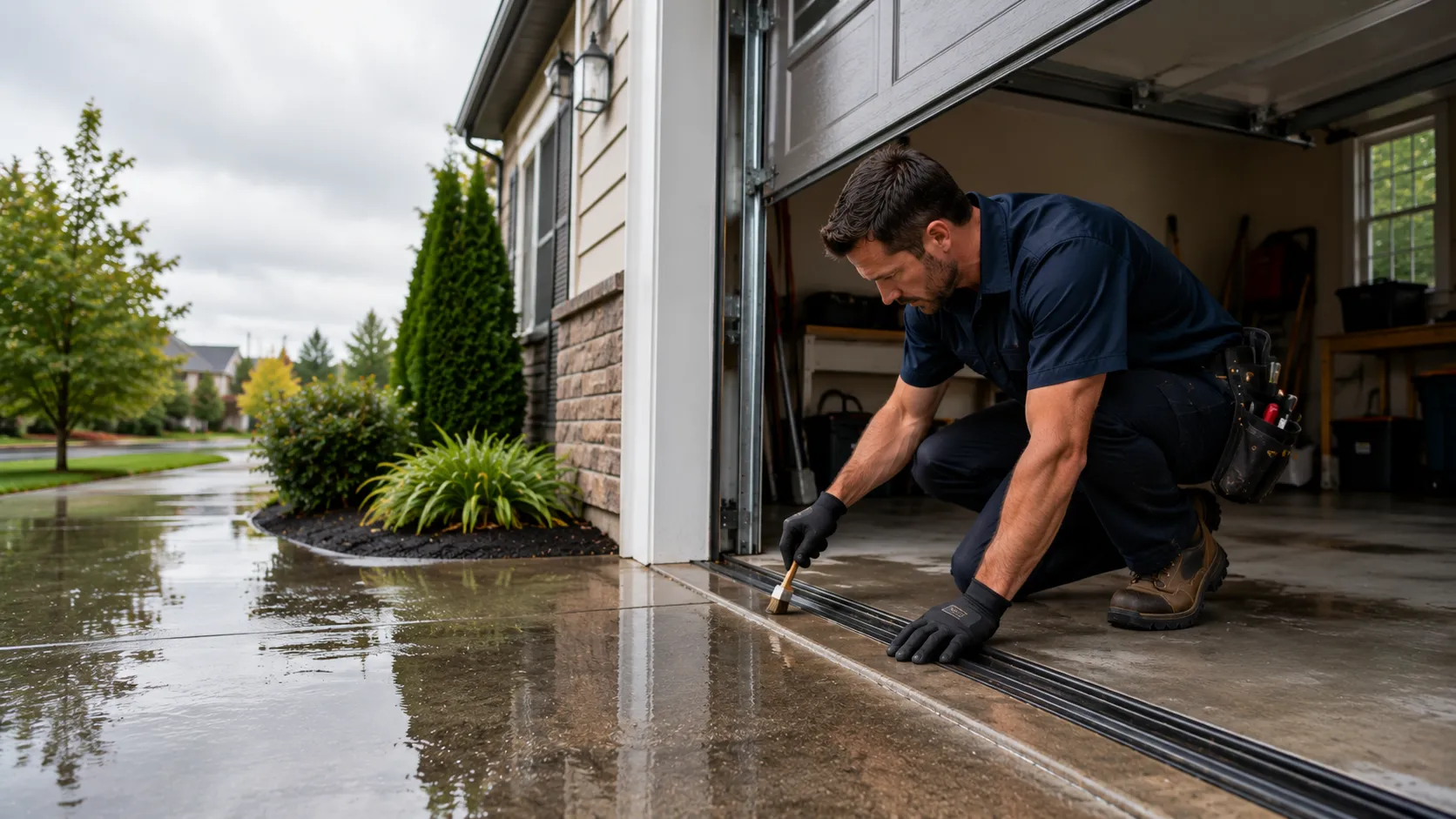
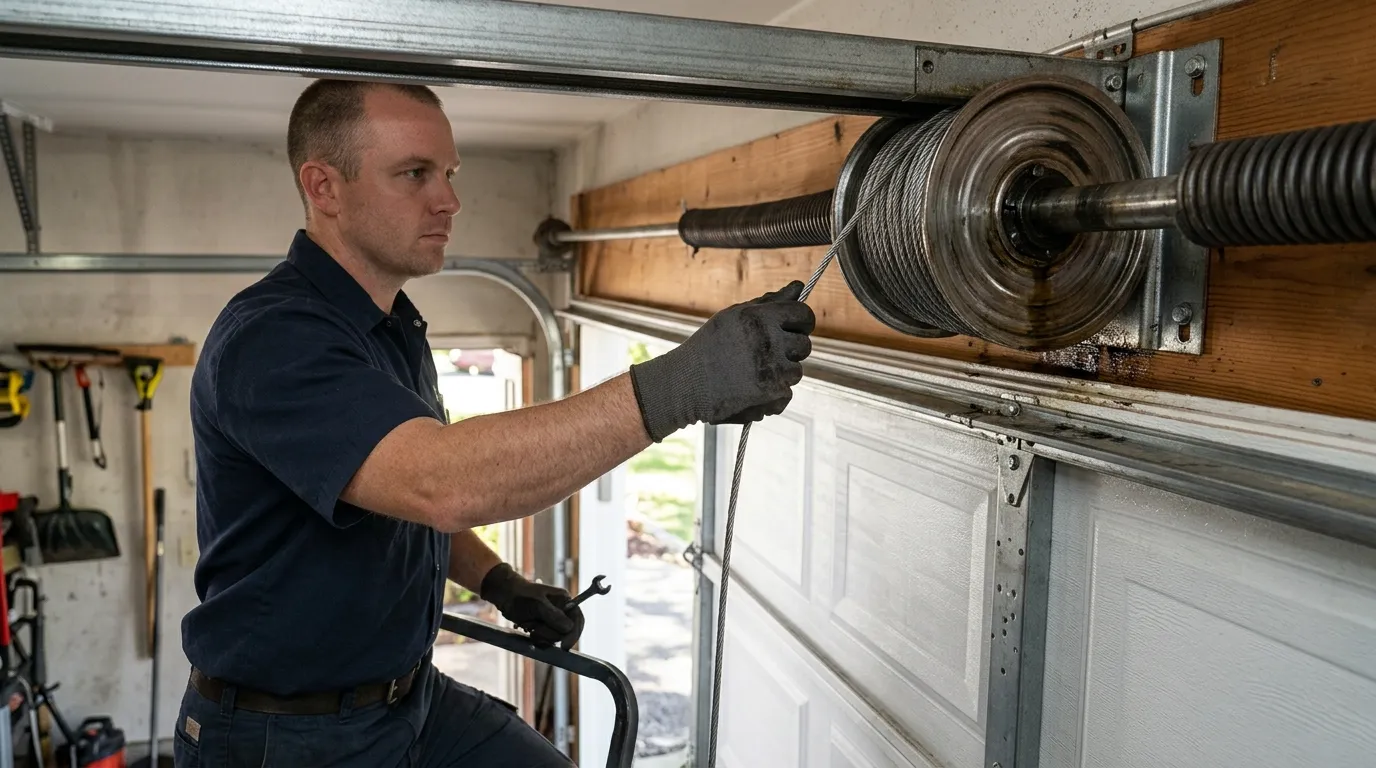
Most calls start the same way: the door hesitates partway up, or it closes with a jolt instead of settling. Sometimes it's a grinding sound from the rollers, sometimes it's the opener straining on the last few inches of travel. On its own, none of that means the door is about to fail - but on a door that's original to a house built decades ago, it's usually the first sign that the torsion spring has lost tension or the track has walked out of alignment. Owners in this area often wait until the door won't open at all before calling, which turns a 20-minute adjustment into a spring replacement. The symptom to catch early is stiffness - the door working harder than it did a year ago to do the same job.
What Causes It Around Here
A large share of homes in this part of Florida went up between 1964 and 1999, with the median build year around 1979, and the stock across the surrounding areas skews 1960s-70s. That means a lot of doors still running on the torsion hardware and rollers that came with the house, or a first-generation replacement from decades ago - parts that were fine for the era but weren't built for the number of open-close cycles they've since logged. Add the mild temperate climate here: no hard freeze cycles to crack lubricant the way northern climates do, but steady humidity that gradually gums grease on tracks and rollers and lets surface rust creep into hinges and end bearings that never got wiped down. The failure isn't dramatic - it's slow drift, spring by degree, roller by roller, until the door that used to glide is the door that groans.