Osprey homes date to about 1999, newer than most of the service area. See what that means for opener repair costs and when replacement makes more sense.
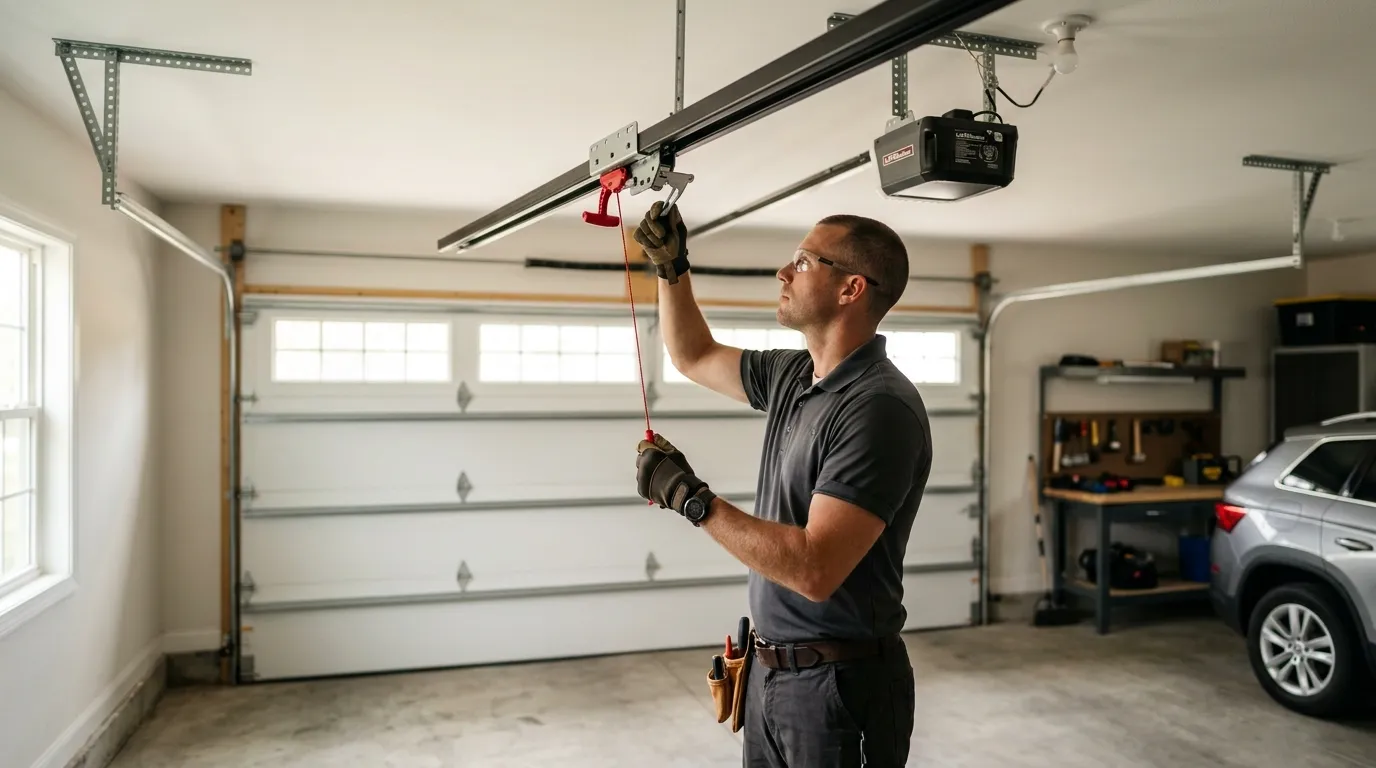
Osprey's median household income runs $94,815, well above the $77,359 median across the wider service area, and that number matters more than people think when an opener starts acting up. Most of the houses feeding this call are newer than what we see across the rest of the territory - Osprey's stock centers around 1999, while the broader area (built mostly 1964-1999, most of it going up in the 1960s and 70s) skews a couple decades older. That gap changes what actually breaks. In the older stock, we're often fighting an opener that was never a good match for the door in the first place. In Osprey, the opener is usually original or close to it - a chain or belt-drive unit from the late 90s or 2000s - and the failures are age-of-electronics problems: a logic board that's finally quit, a capacitor gone weak, travel limits drifting out of adjustment, or photoeye sensors that have shifted a hair out of alignment after twenty-some years of vibration. The mild temperate climate here doesn't stress openers the way freeze-thaw regions do, so we're rarely chasing weather damage - it's straightforward component wear.
What the Fix Involves
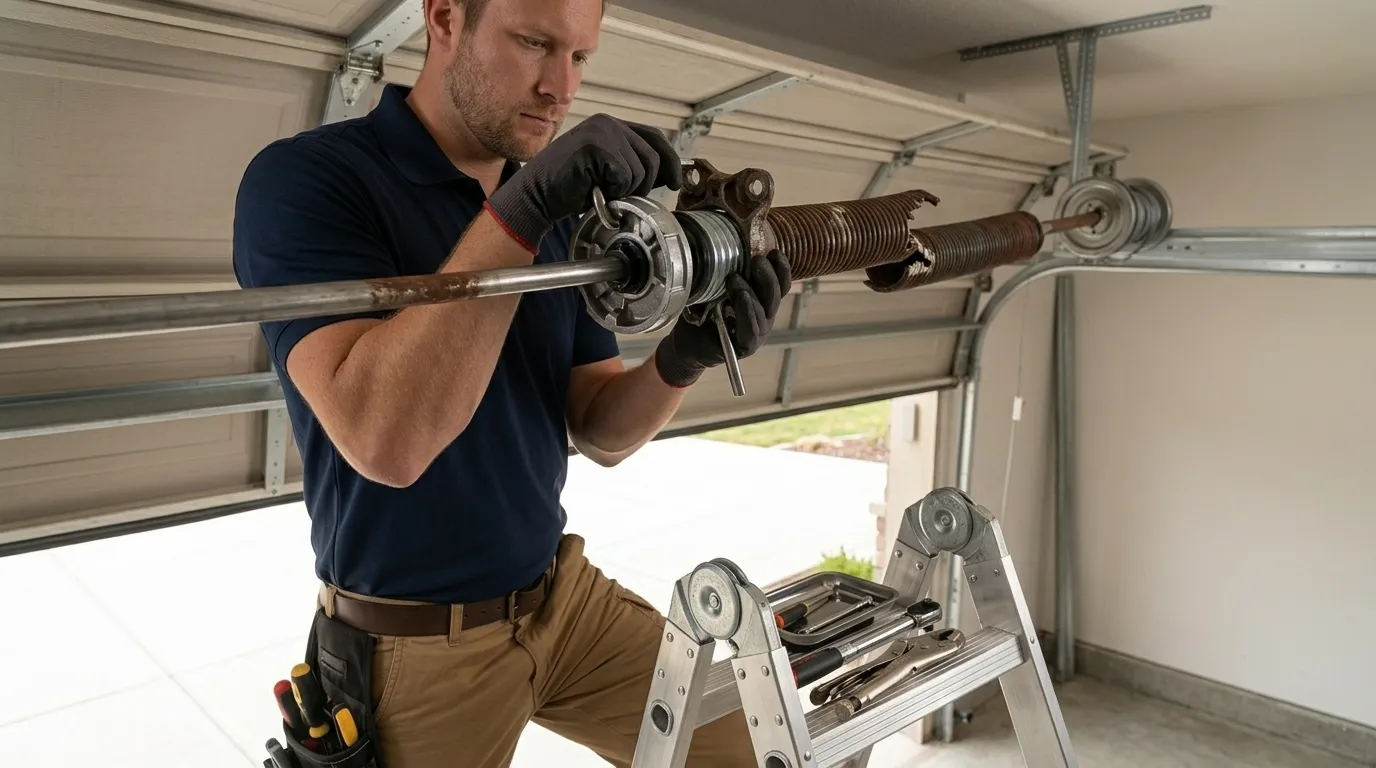
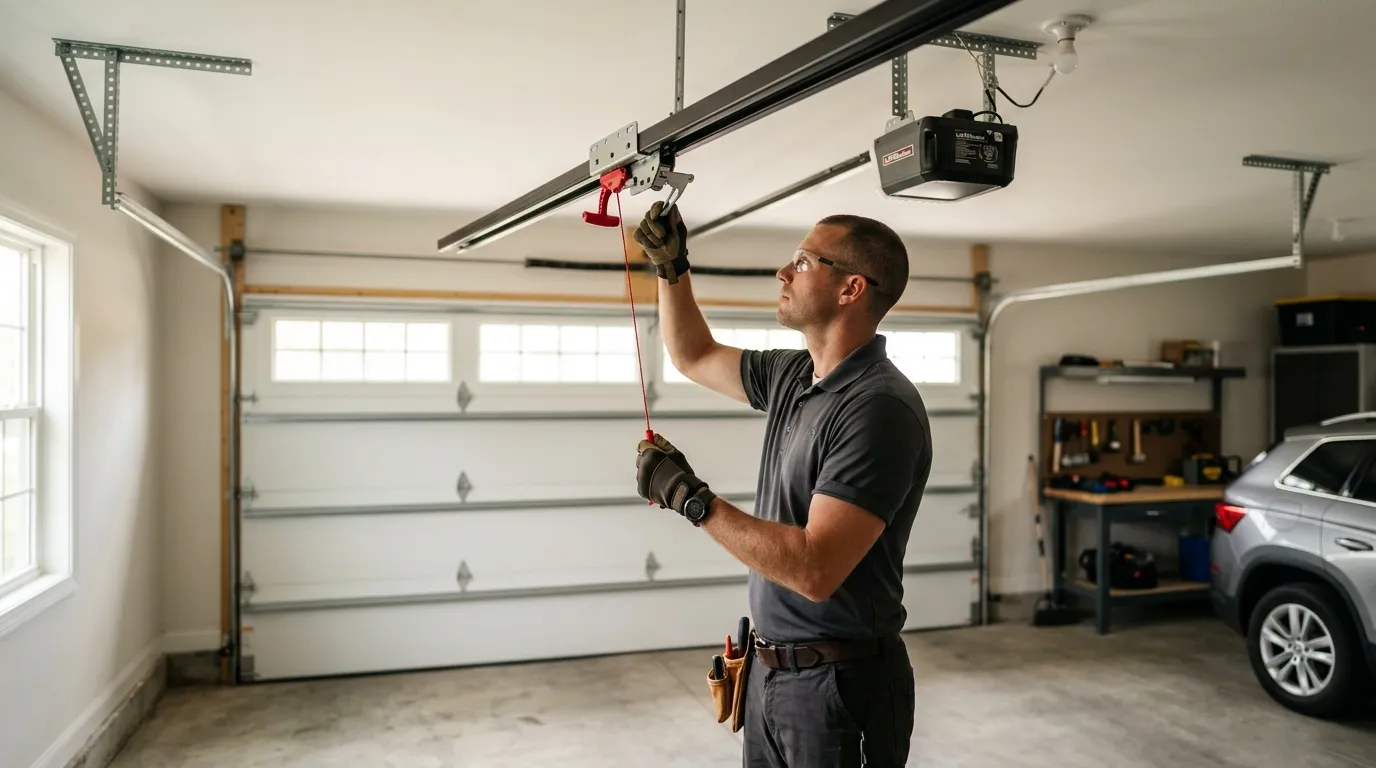
We start by running the opener through its cycle and watching where it hesitates - grinding on the gear, a light that blinks a fault code, a door that reverses before it should. On a unit from the Osprey-era stock, the drive gear is a common wear point; it's a plastic part turning against metal and it doesn't last forever. We check the logic board for burn marks or a swollen capacitor before we replace anything, because swapping a board is the expensive fix and we don't do it if a $20 part solves it. Sensor alignment gets checked every time - even a slight tilt trips the safety reversal and the door won't close, which reads to homeowners as
What Is on the Truck
placeholder
What You Pay
placeholder
Getting It Booked In
placeholder
How it works
From “it’s stuck” to “it’s fixed”
01
Tell us what’s wrong
Describe the symptom - won’t open, loud bang, opener runs but the door won’t move.
02
On-site diagnosis
A technician tests the door under power and by hand and finds what actually failed.
03
Clear, up-front plan
You get the fix that’s needed and what drives the cost - before any work starts.
04
Repaired & tested
The repair is done, the door is set true and tested, and the work area left clean.
Serving Venice, FL - tell us what your door’s doing and we’ll take it from there.