
What You Pay
We don't have a Nokomis-specific price list to hand you here, and we're not going to make one up to fill space. What actually drives cost on a job in this town is the age and type of hardware, not the zip code. A torsion spring swap on a door original to a 1970s build is a different job, with different parts, than servicing a ten-year-old opener.
One honest thing worth saying: household income in Nokomis runs lower than in some of the towns nearby, and we know that budget matters when you're deciding between a repair and a full replacement. We'll tell you flat out when a repair isn't worth it on an old door versus putting money into a new one, rather than stringing along a patch job that fails again in a year.
If you want a number before we're standing in your driveway, ask when you call. We're not going to quote sight unseen off a webpage, because on doors this old, what looks like a simple fix sometimes isn't once the panel comes off.
What Causes It Around Here
The median house in Nokomis went up around 1978, which puts a lot of doors and openers here well past the age where original springs and rollers are still doing their job quietly. Torsion springs are rated in cycles, not years, but a door installed in the late '70s has usually seen enough open-and-close cycles that the spring is past due, whether or not it's ever failed outright.
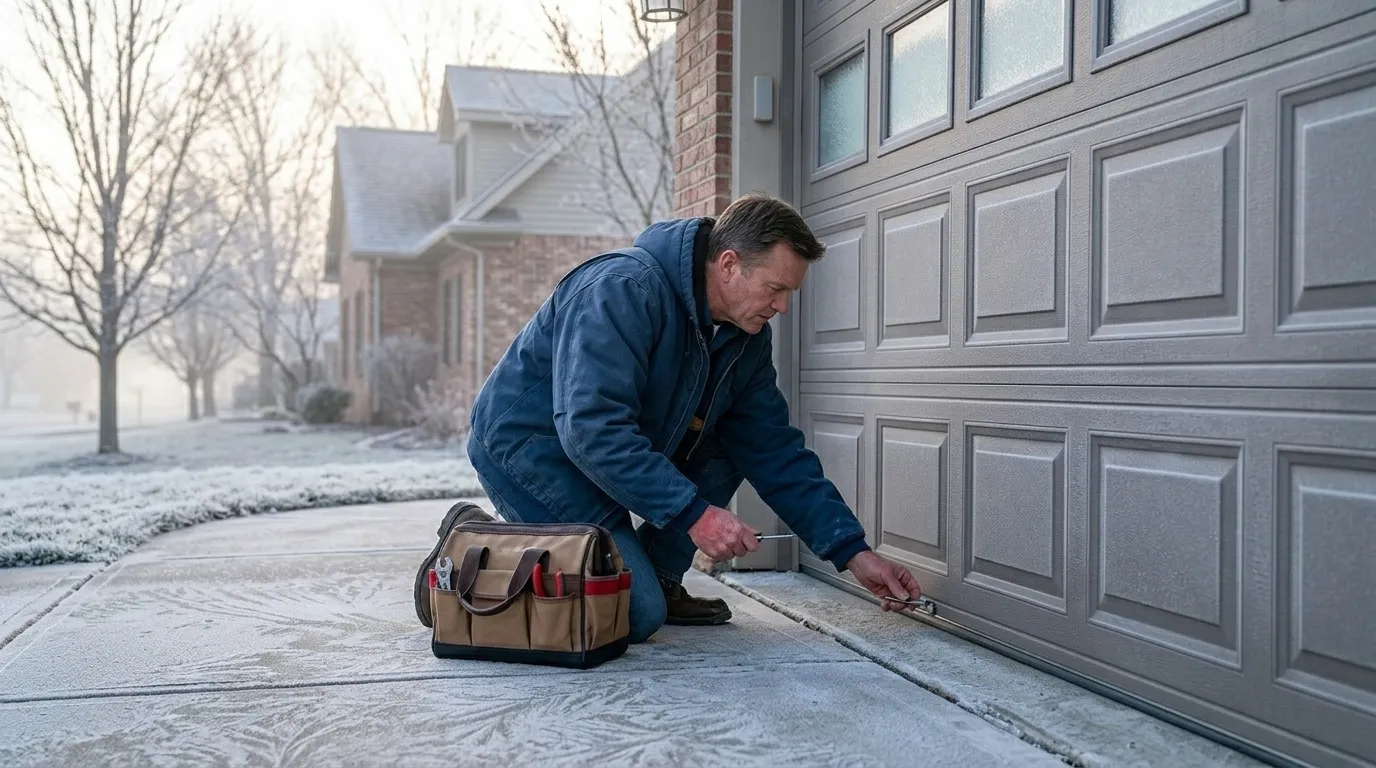
The climate band here is mild, not extreme, so we're not dealing with the freeze-thaw cracking you'd get further north. What we do see is slow wear: galvanizing worn thin on cables, rollers gone out of round, hinges stretched at the pivot holes from decades of the same motion. None of that announces itself loudly. It shows up as a door that's gotten a little noisier, a little slower, a little more likely to bind - right up until the day it doesn't move at all.
Openers from that same building era, if they're original, are long past any reasonable service life. That's less a Nokomis-specific issue and more a fact of a town where the housing stock skews toward one decade.
The DIY Question
Some things on a garage door are fair game to handle yourself: lubricating rollers and hinges, tightening loose bolts on the track brackets, replacing weatherstripping along the bottom of the door. None of that requires touching anything under tension.
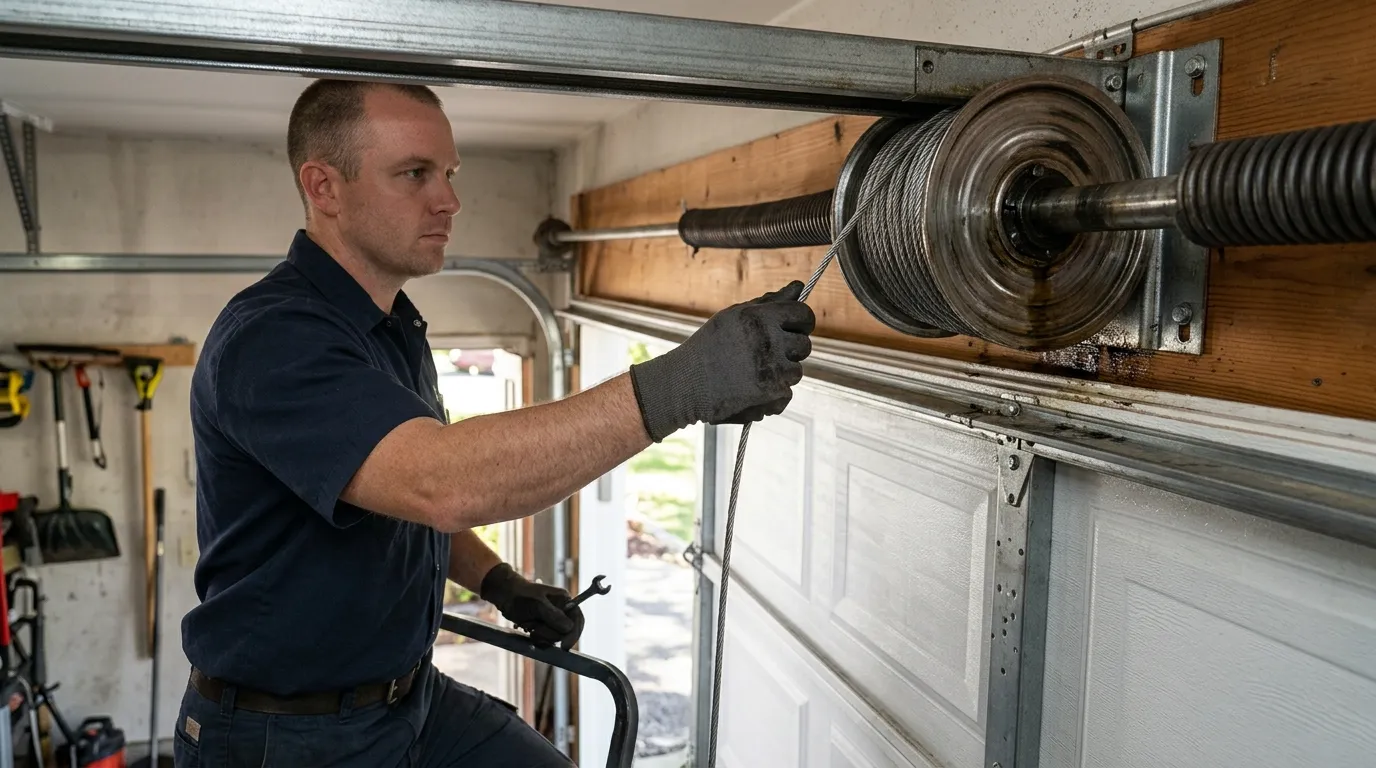
A torsion spring is not on that list. It's wound under enough force to cause serious injury, and on a door as old as the typical Nokomis build, the spring, the drum, and the cable are often all original and all past their rated life together. Replacing one without the right bars and clamps is how people end up in the emergency room, not how they save money.
Where we'd actually tell you to hold off calling anyone: a door that's just squeaking, or a remote that's lost its range. Those are usually cheap fixes you can try yourself before spending on a service call. Where we'd tell you to stop and call: any door that's stuck halfway, or a spring that's visibly separated. That's not a project, that's a hazard.
What the Fix Involves
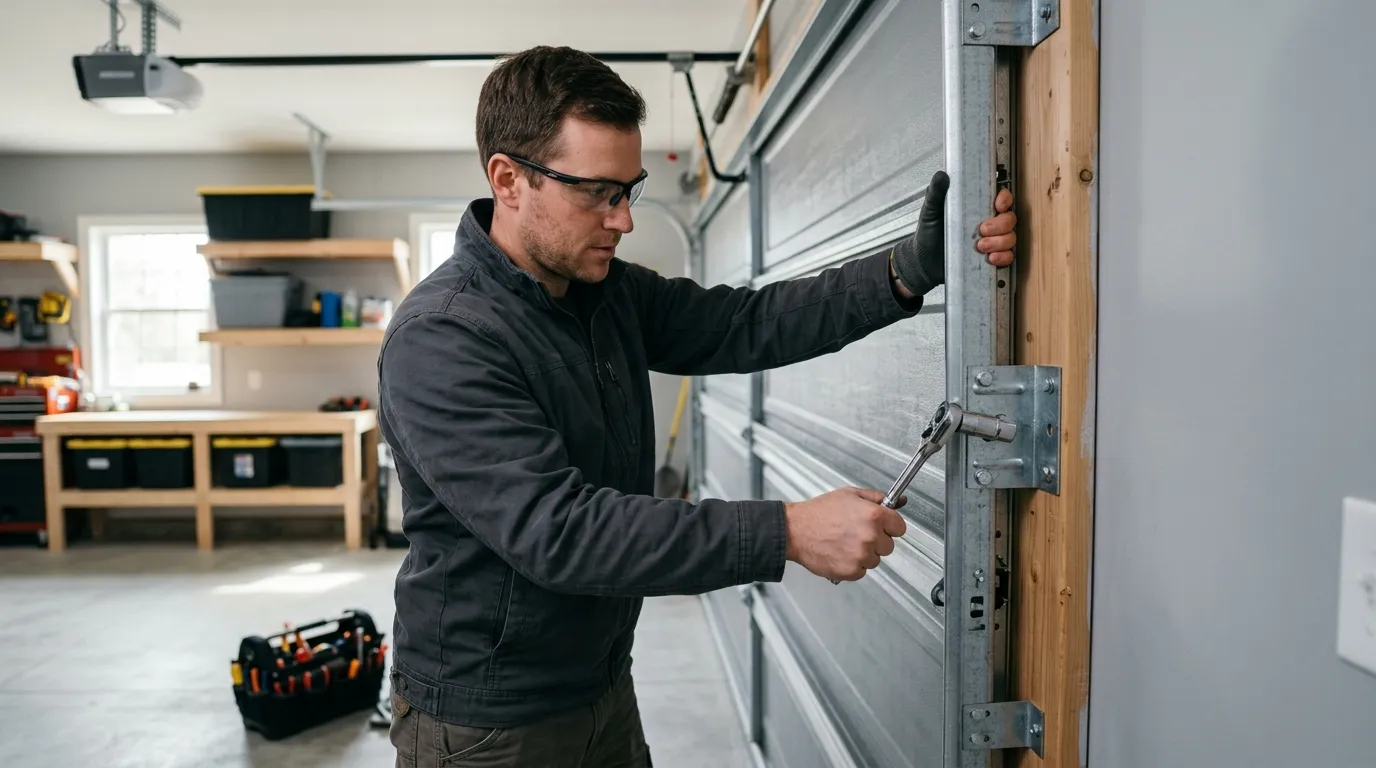
On a typical Nokomis door from the late 1970s era, a spring job means matching the wire size and wind of the original torsion spring, not just grabbing whatever's on the truck. Get that wrong and the door either won't lift right or wears out again fast.
If the opener's original to the house, replacement usually makes more sense than repair - parts for units that old are getting hard to source, and a new opener comes with safety features the old ones never had, like modern auto-reverse sensors.
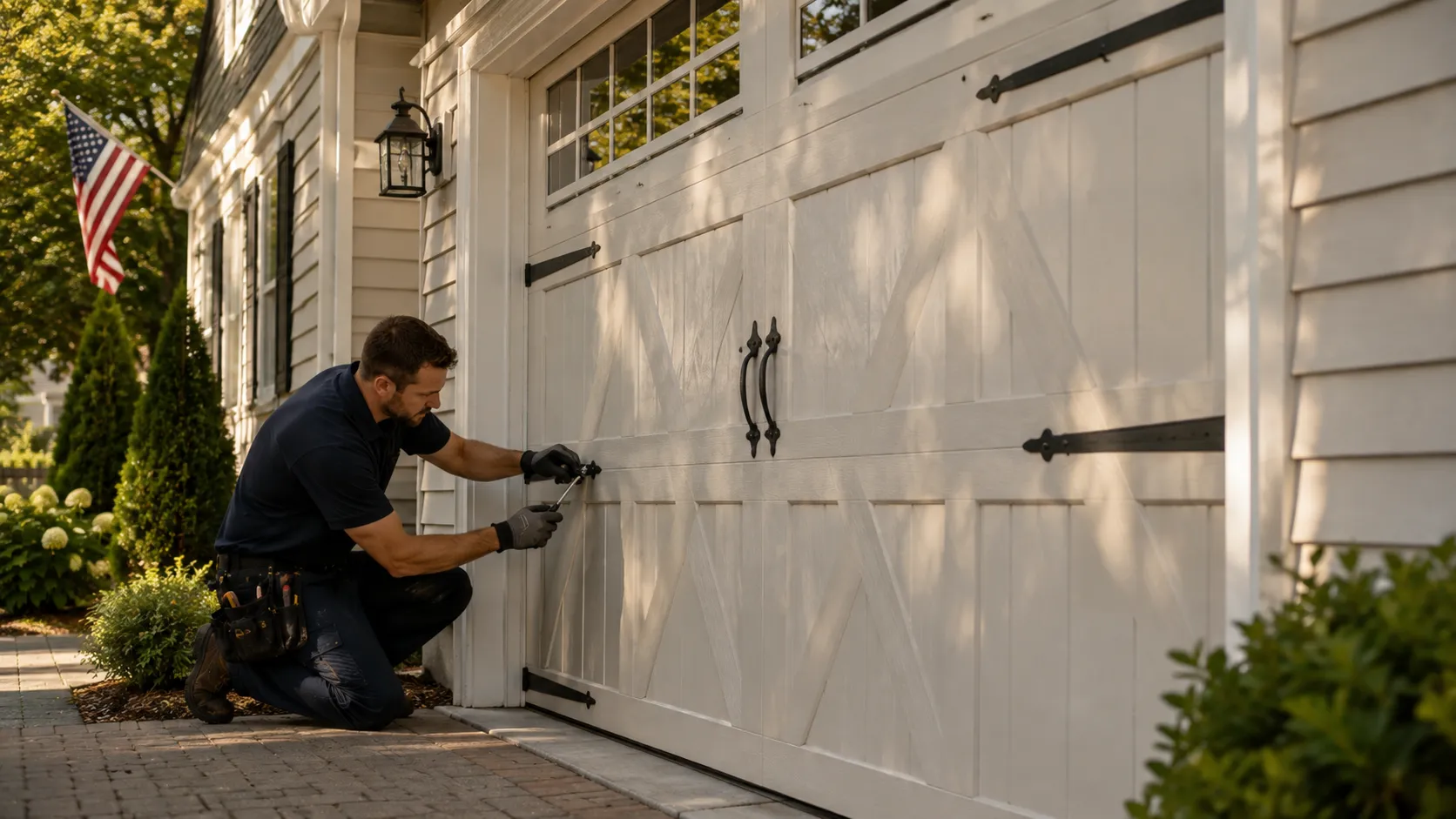
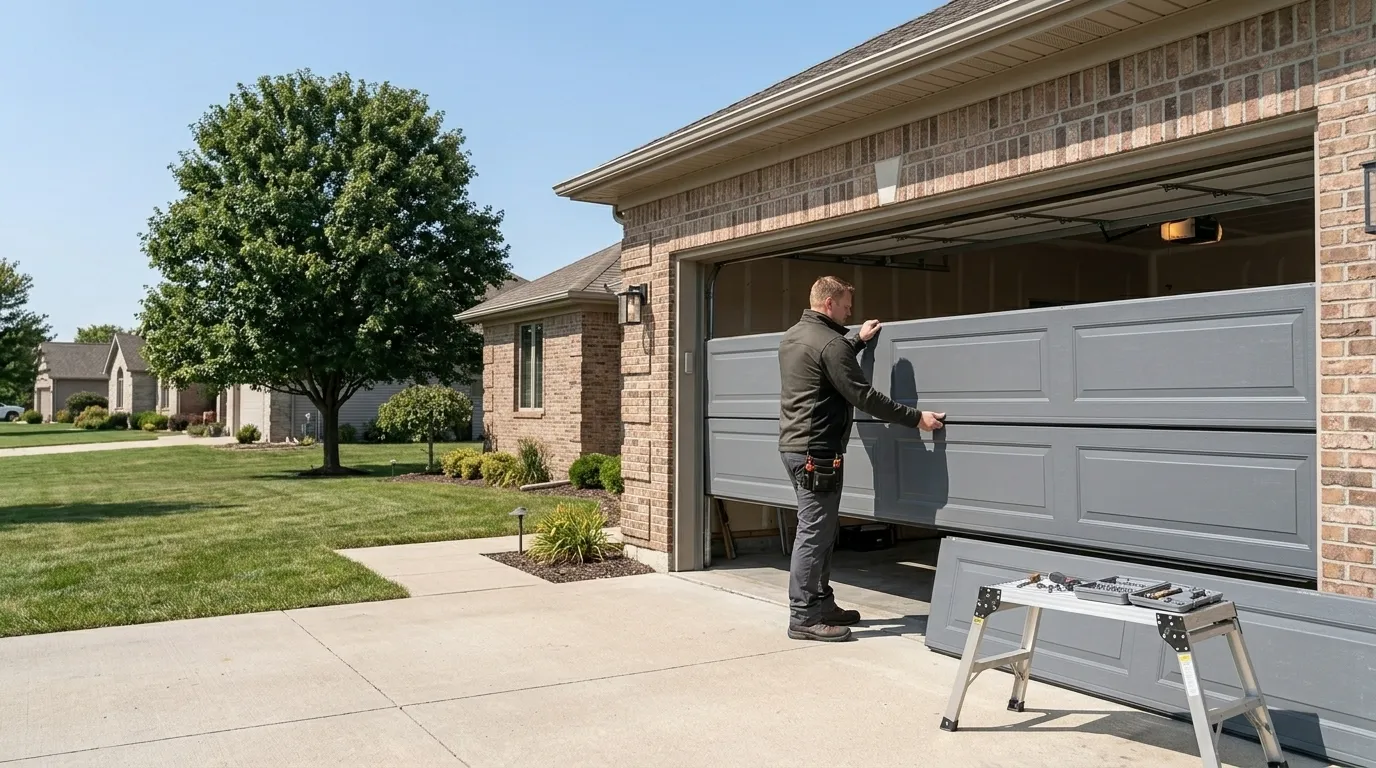
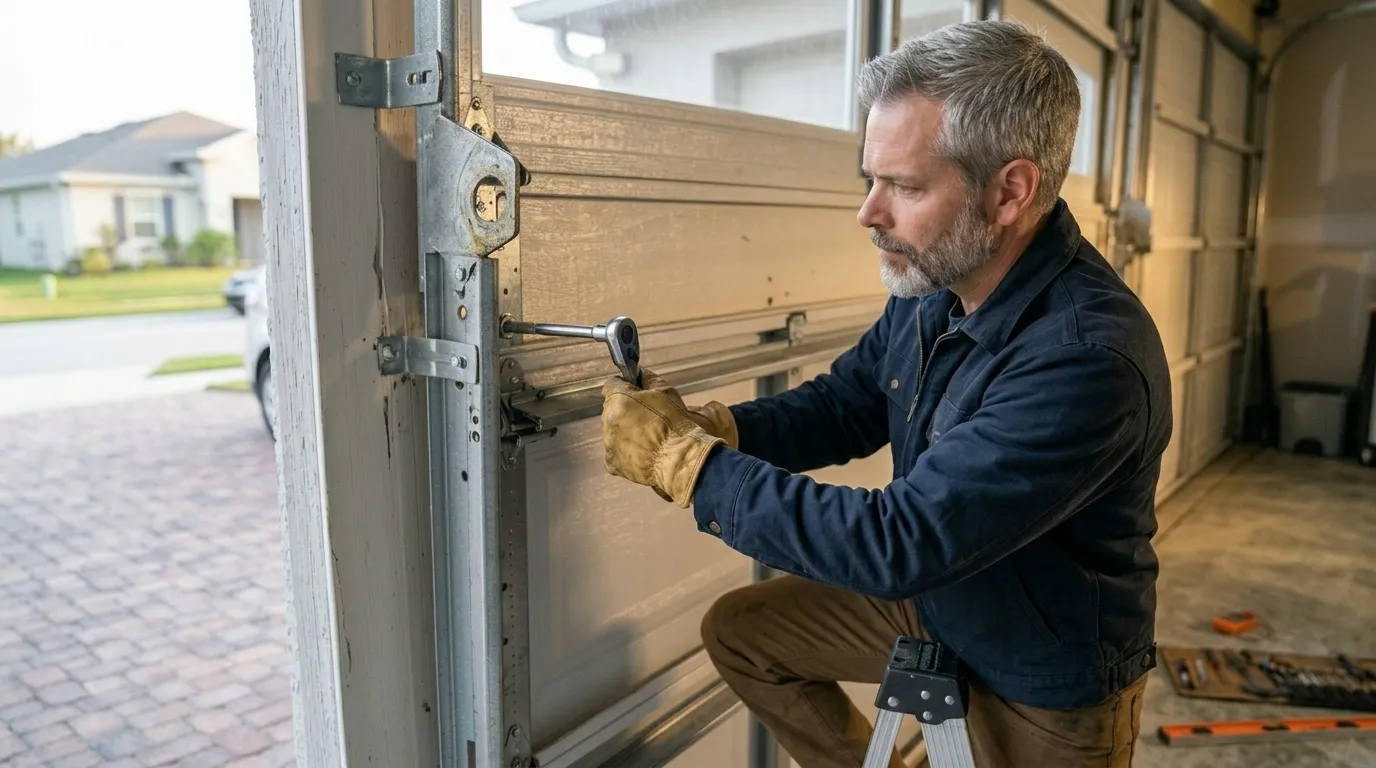
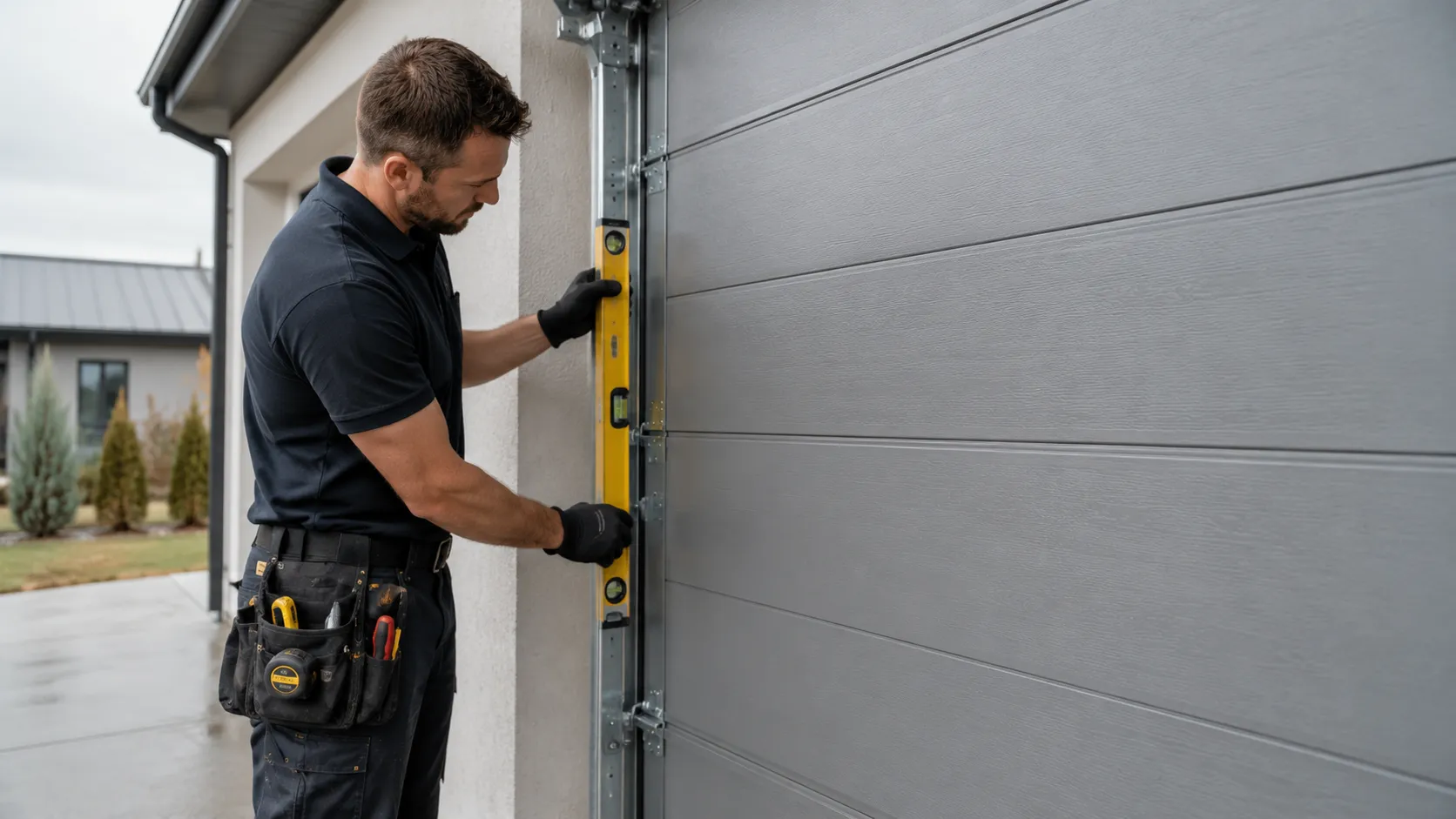
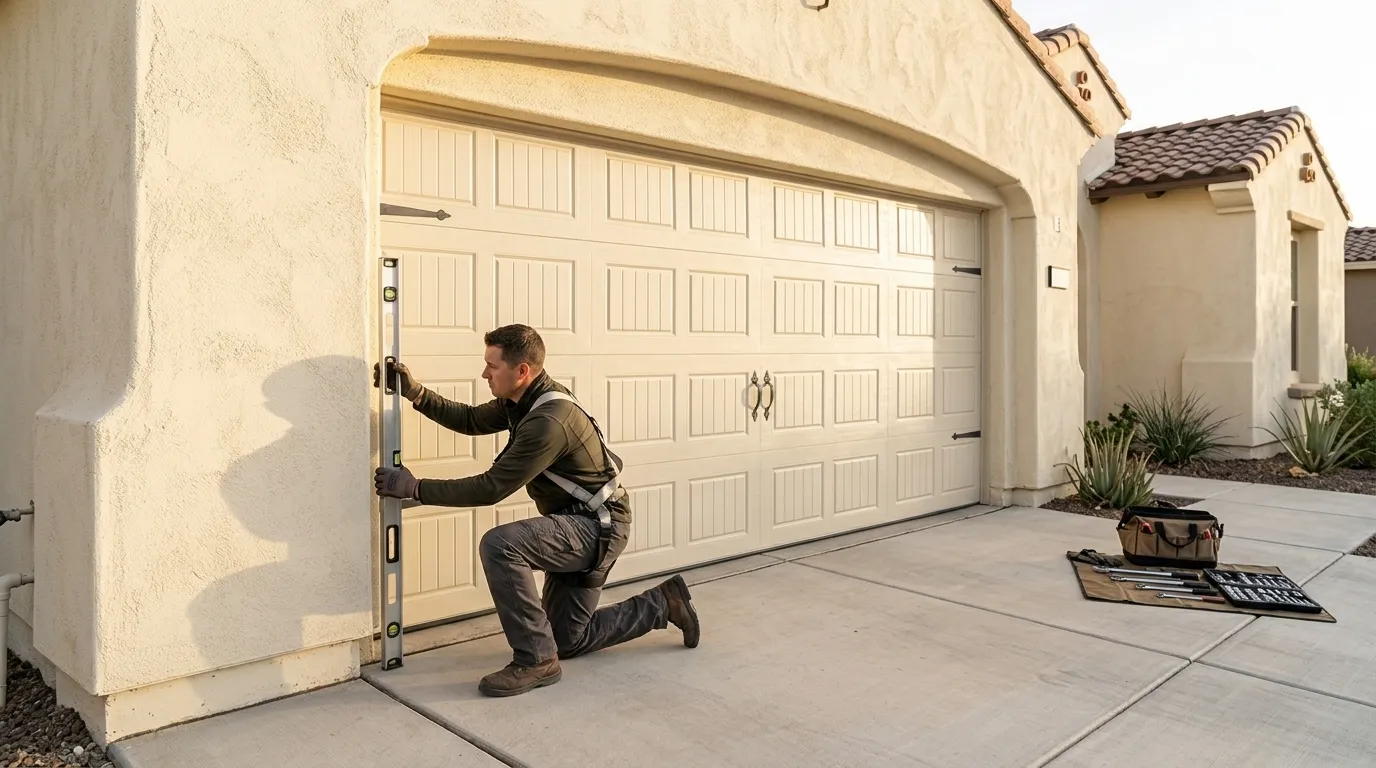
Track and roller work is more straightforward: swap worn rollers, true up bent track sections, check that the door is still square in the opening after decades of settling. None of it is dramatic work. It's steady, methodical stuff suited to a door that's been doing the same job, the same way, for close to fifty years.