What You Pay
We don't have a published price list for Nokomis specifically, and we're not going to invent one. What we can tell you is how the local numbers shape the conversation: with median income here at $41,333, most jobs we run in this area are single-car or standard double-car steel doors with a basic chain-drive or belt-drive opener, not the insulated custom builds you'd spec on a higher-income street. If your house was built near 1978, the original opening is almost always standard width, which keeps the door itself from being the expensive part of the job - labor and any header or track rework tend to be where the bill moves. Ask for a written quote before any work starts. If a number matters to you, get it in writing, not from a page like this one.
What Causes It Around Here
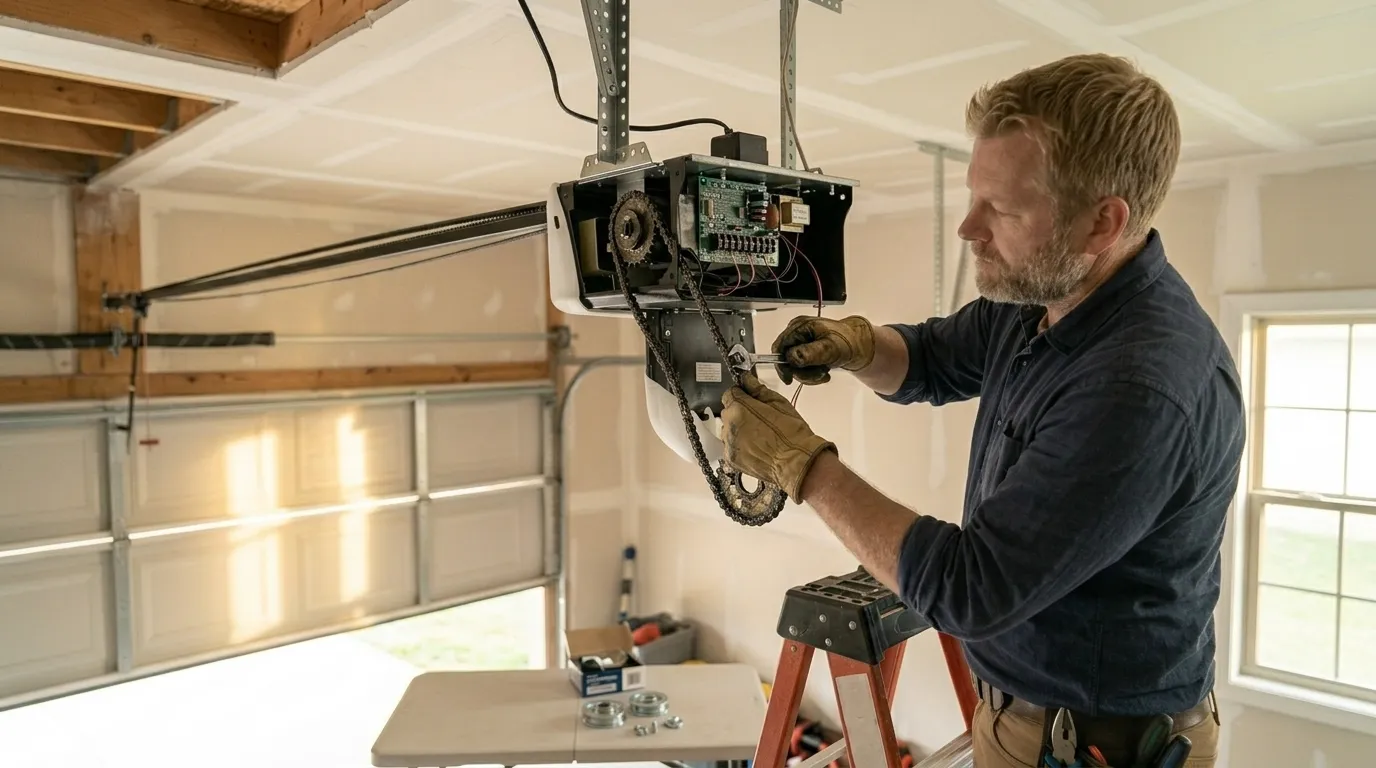
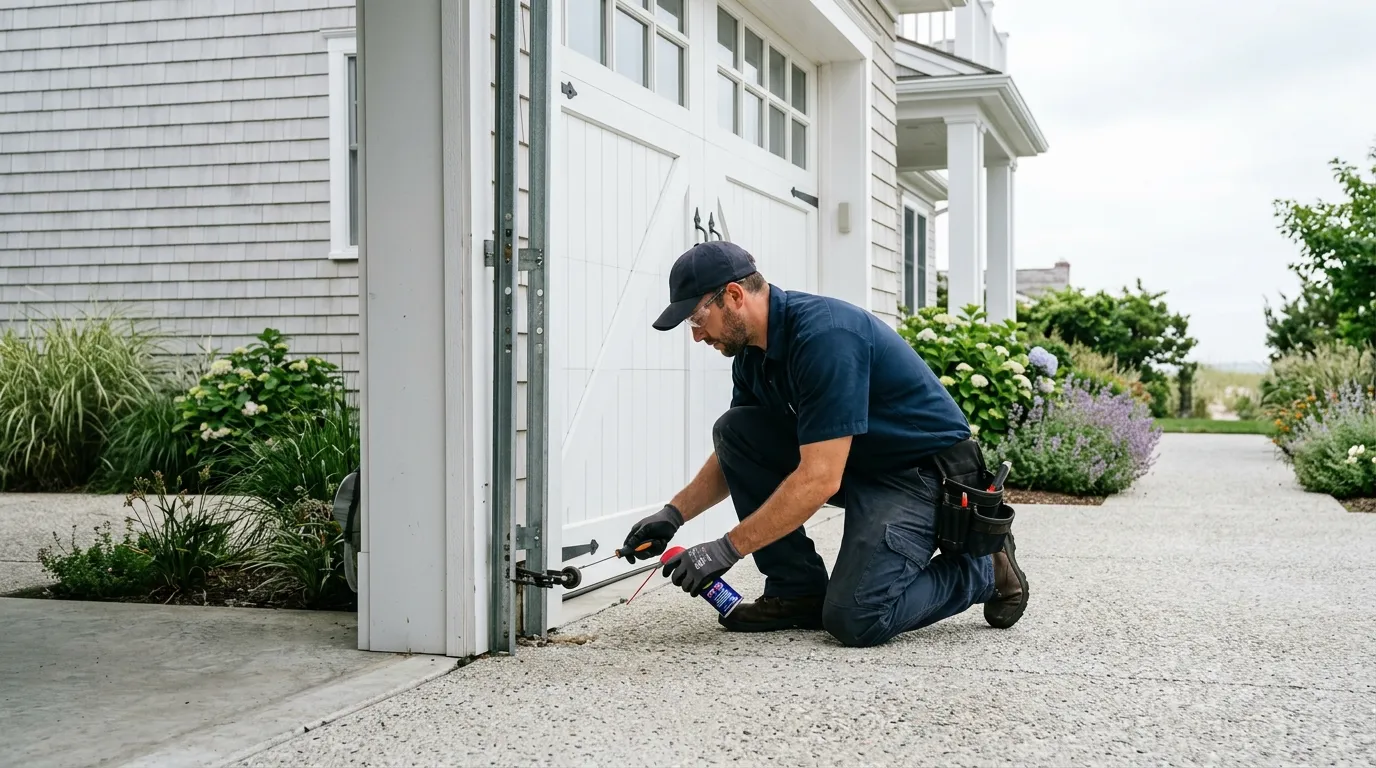
Houses in this part of the service area were mostly built between 1964 and 1999, with the median landing around 1979 - and Nokomis itself centers right on that, at 1978. That means a lot of doors here are either the original single-layer steel panel or a first replacement from the 80s or 90s, running on hardware nobody stocks new anymore: narrow-track rollers, older-style torsion springs sized for lighter panels, openers with worn-out gear drives instead of belts. The climate here is mild temperate, so we're not dealing with the freeze-thaw cracking or the deep-frost door swelling you'd get further north - the failures we see are age and cycle-count failures, not weather failures. A door that's been opened and closed twice a day since 1978 has put on tens of thousands of cycles, and the springs, rollers, and cables all have a finite number of them before something lets go, usually without much warning.
The DIY Question
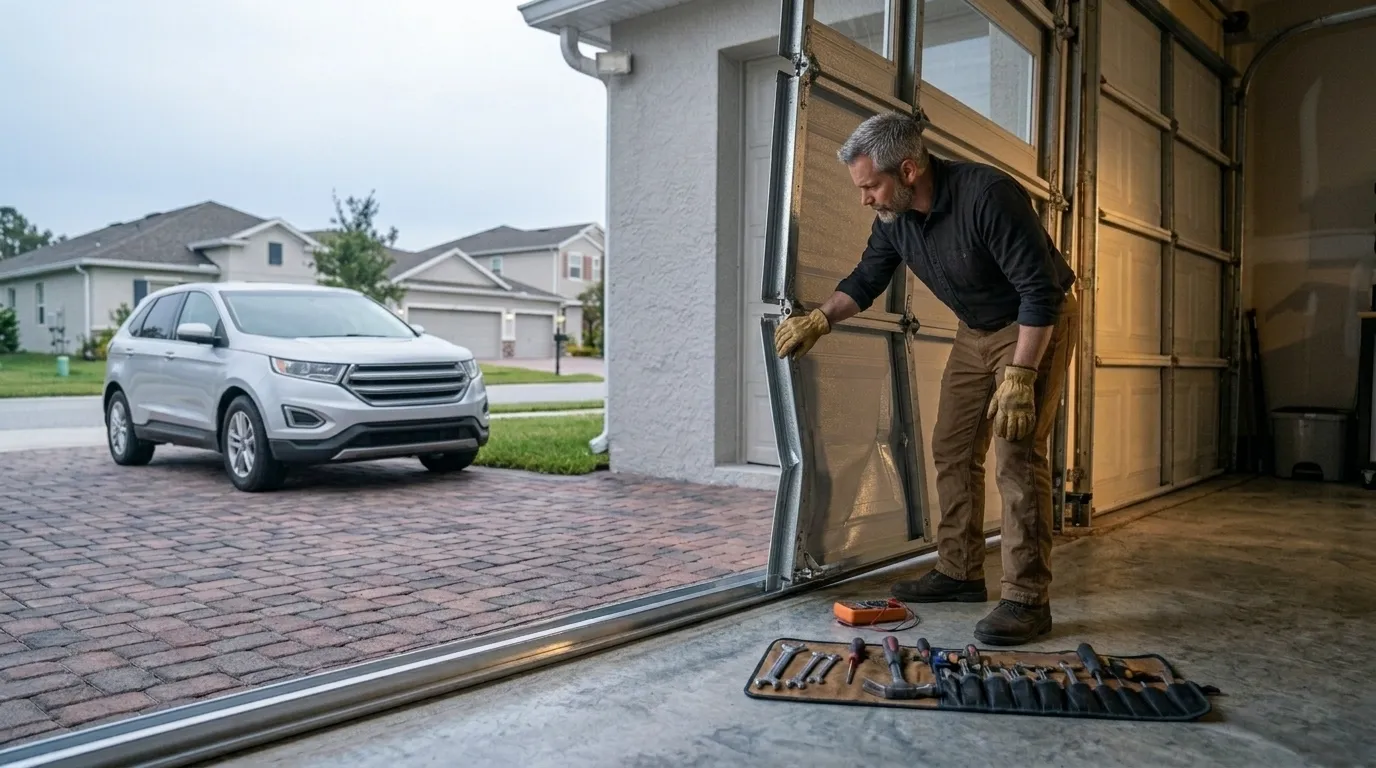
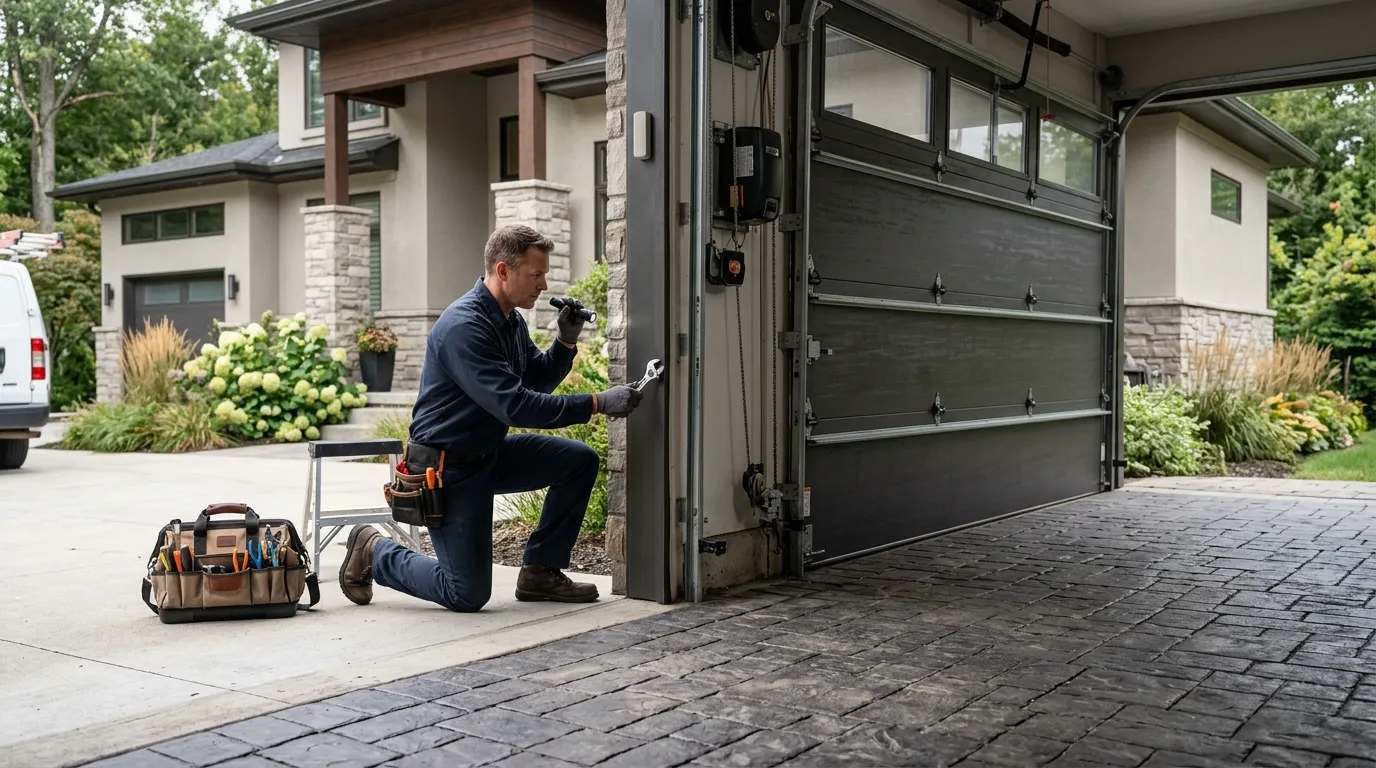
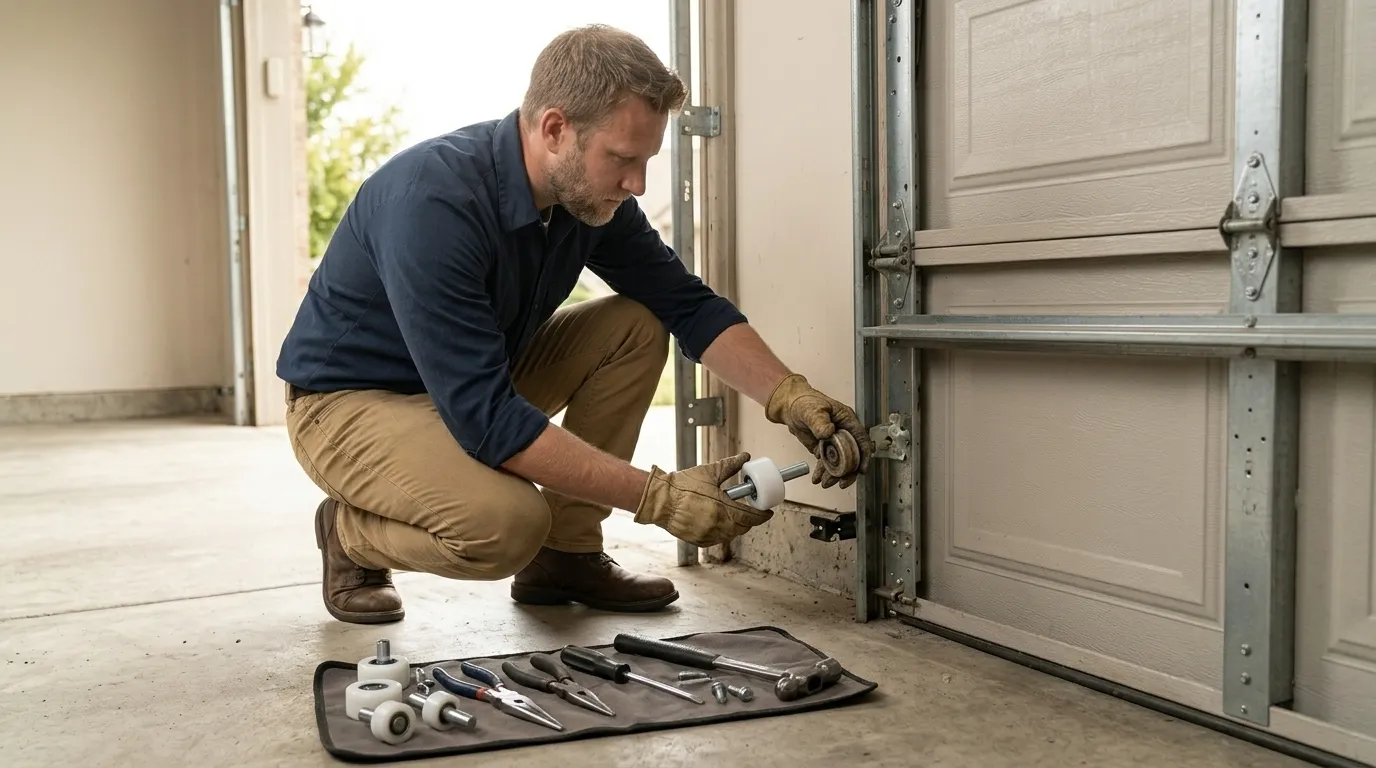
A garage door spring holds enough tension to break a finger or worse, and that doesn't change because the door is old or the house is modest. If your Nokomis door was installed anywhere near 1978, the torsion spring on it is sized for a panel weight and wind load that current springs aren't automatically matched to - swapping it yourself with a big-box spring kit risks a mismatch that either strains the opener or leaves the door hard to lift by hand if the power goes out. Panel and weatherstrip work, sure, a lot of homeowners handle that fine. Springs, cables, and anything involving the torsion bar over the opening - leave that to a crew that does it daily. We'll say plainly: if your only concern is cost, DIY panel-only fixes on an otherwise sound door can be worth trying before you call anyone.
What the Fix Involves
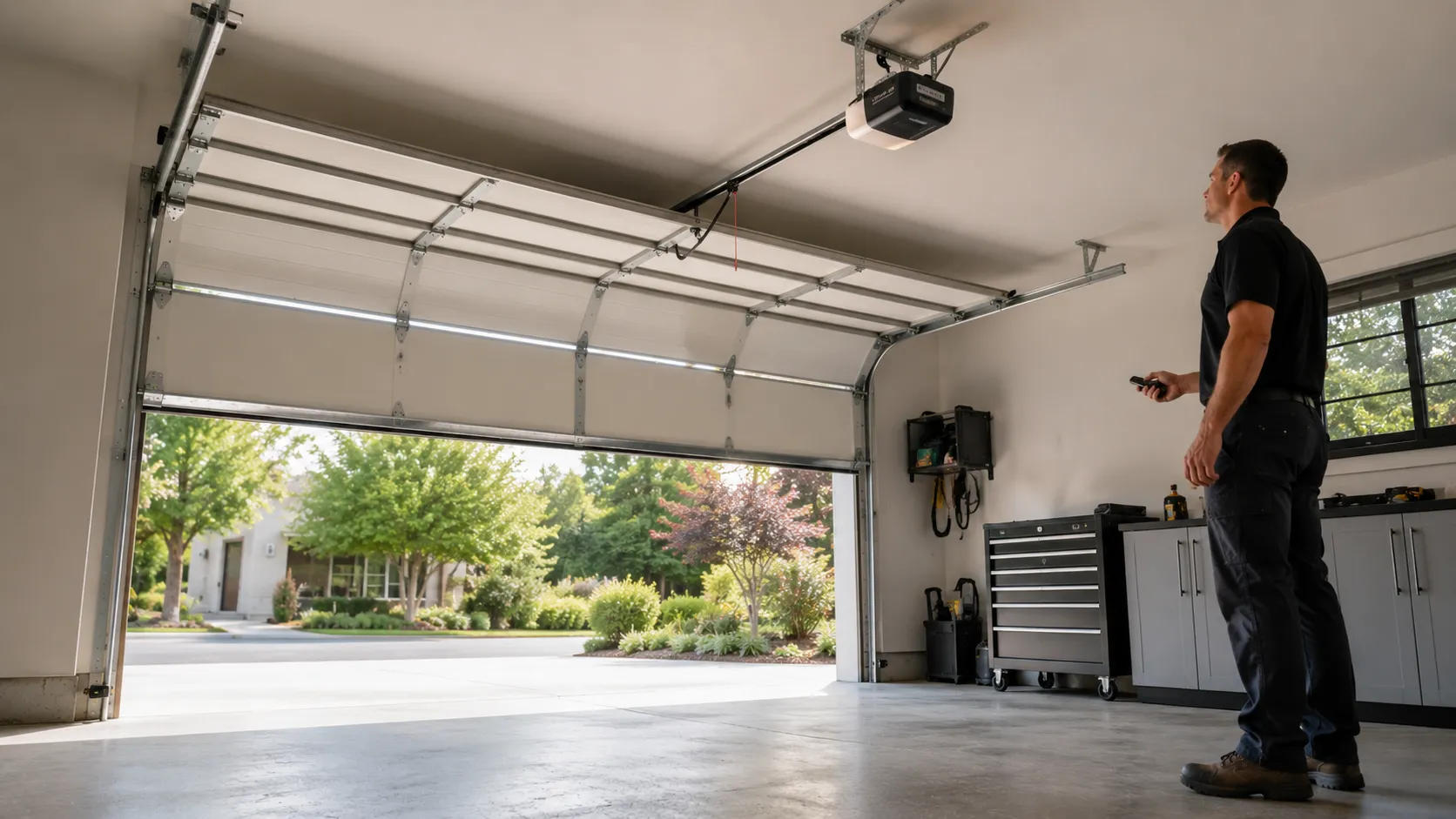
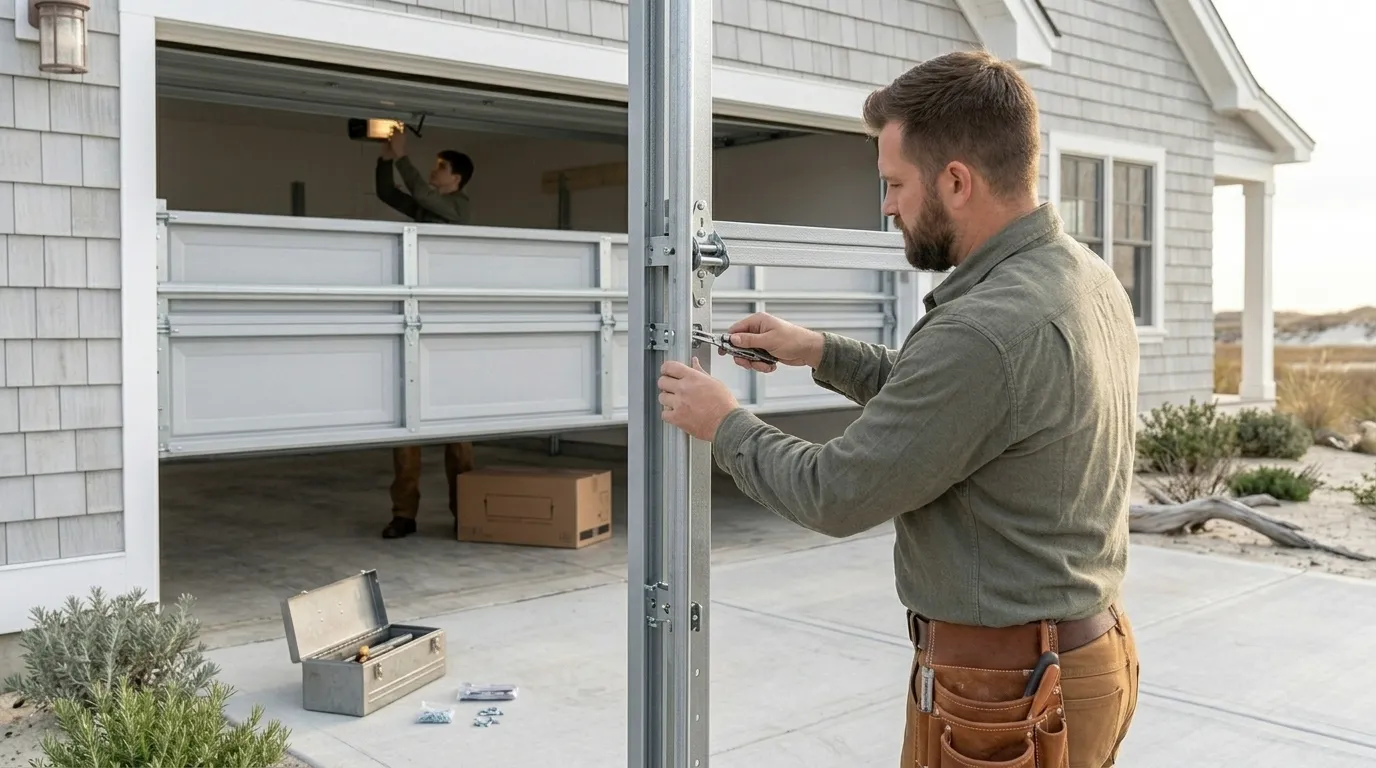
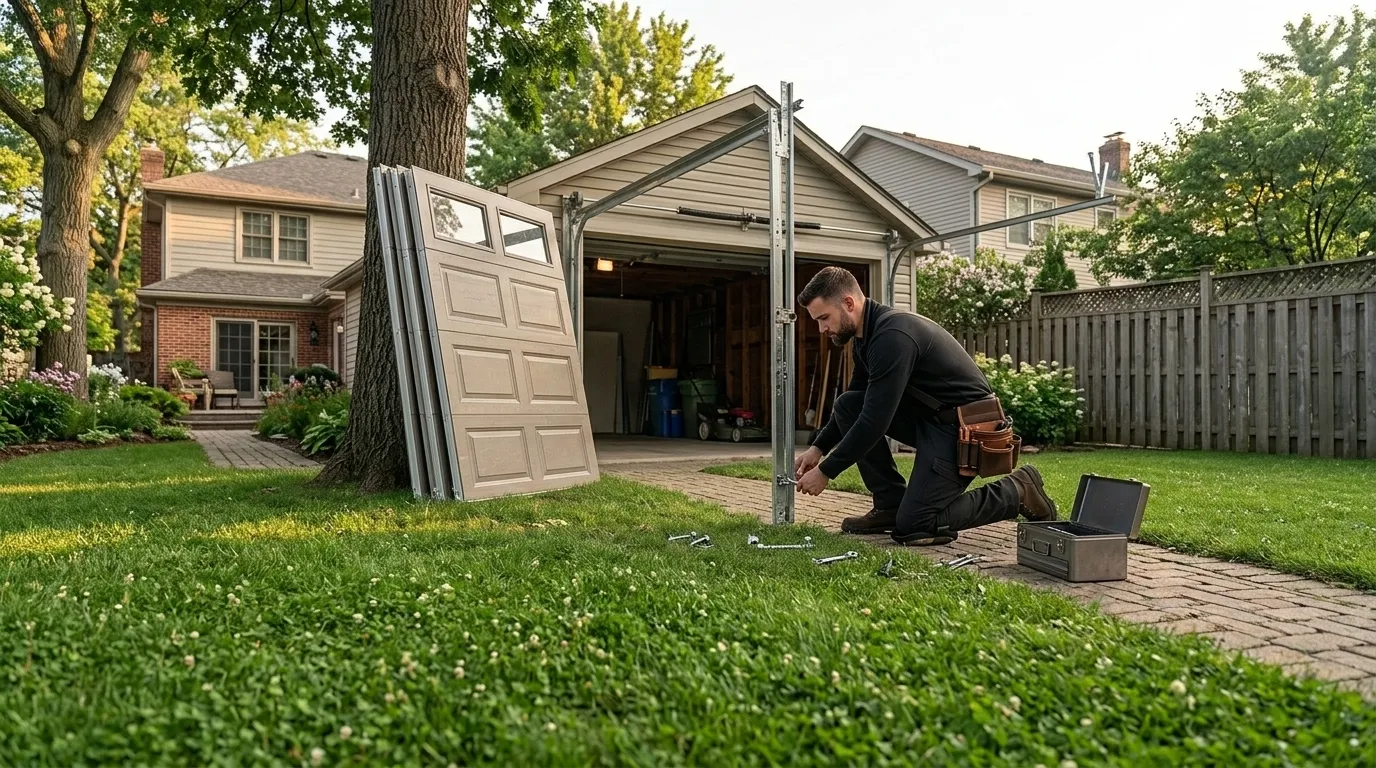
For most of the 1,800 households in Nokomis, a new install means pulling the old panel section, torsion spring, and track, and setting a new door in the existing opening rather than reframing it - houses from this era were built to standard door widths, so resizing is rare. We check the header and jamb for rot or settling before anything goes in, since a house pushing 45 years old can have shifted slightly on its footing. Springs get sized to the new door's actual weight, not just swapped like-for-like, and if the opener is original or close to it, we'll flag whether it's worth keeping. We travel to Nokomis from our base in Venice, about a mile away, so scheduling works the same as it does anywhere close to town - no separate branch, no different crew.