Most of South Venice was built around 1985, a good six years newer than the median for the wider Venice service area, which runs from 1964 to 1999 with a midpoint closer to 1979. That gap matters more than it sounds. A door and opener installed in the mid-80s is usually still on its original torsion spring and a chain-drive opener from that era, but it's had one fewer decade of Gulf Coast humidity working on the hardware than the older sections of town closer to Venice proper. A standard maintenance visit here runs about the same length as anywhere else in the service area - checking spring tension, lubricating rollers and hinges, testing balance and auto-reverse, tightening loose hardware - but we're usually not fighting the same amount of corrosion on brackets and lag bolts that we see on 1960s and 70s stock. That means less time spent freeing rusted fasteners and more time actually checking the parts that matter for safety. South Venice sits about five miles from Venice, close enough that a tune-up visit doesn't turn into a special trip, it's just part of the regular route through the area.
What Causes It Around Here
The mild, humid climate along this stretch of the Gulf Coast doesn't spare a door just because the house is a few decades younger. Moisture in the air still works on unlubricated springs and dries out nylon rollers over time, and a door that sits closed for days between uses in a house that isn't run daily can seize up faster than one used every morning. With 1985 as the rough build year for most of the neighborhood, a lot of these doors are on their second or third opener but still running the original track and spring setup, since those parts get replaced reactively rather than on a schedule. What we see most often here isn't total failure, it's a slow drift out of balance - a door that used to lift smooth now catching partway, or an opener straining a little more than it used to. That's the kind of thing a maintenance visit catches before it becomes a broken spring on a Saturday morning.
What the Fix Involves
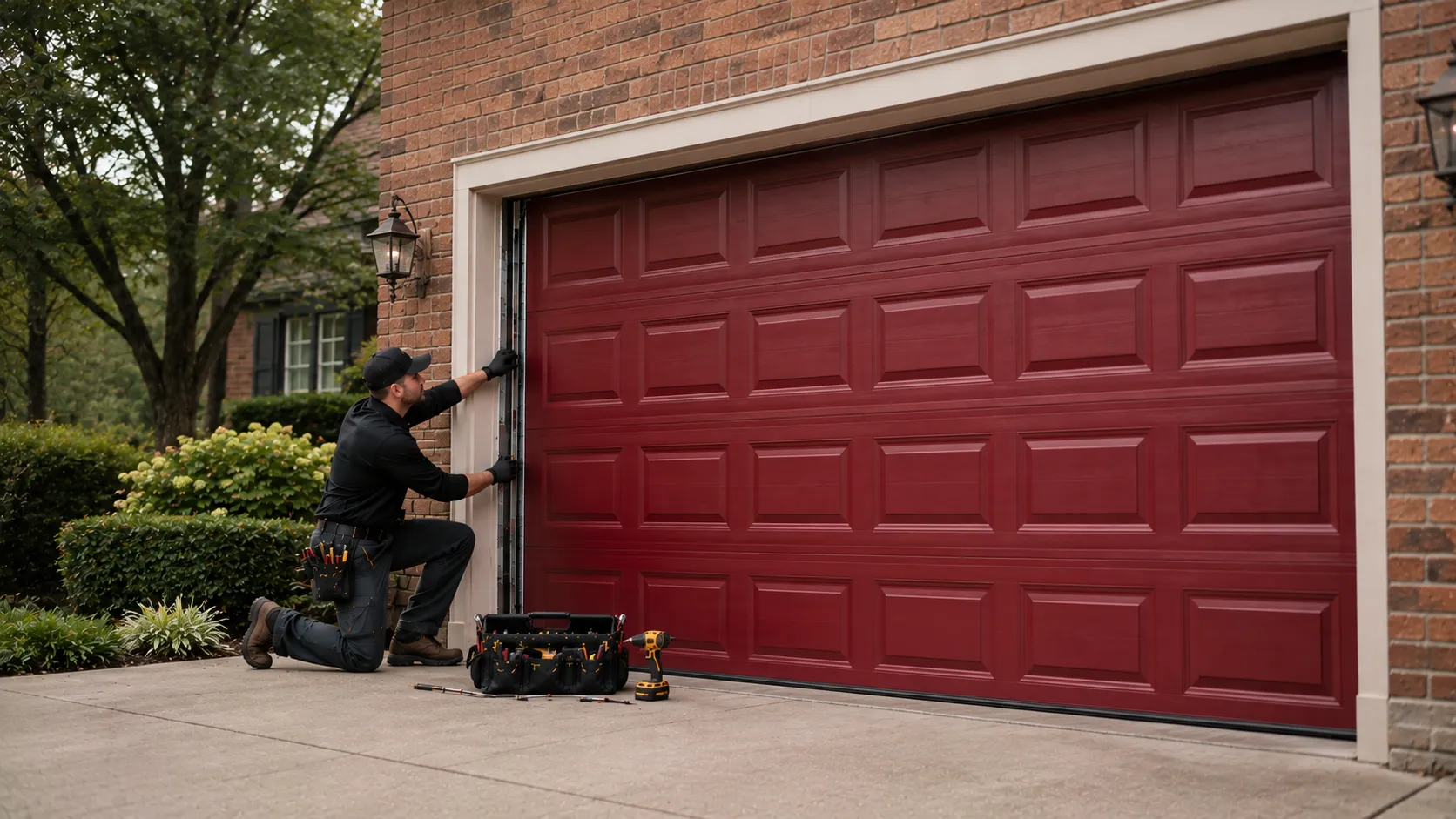
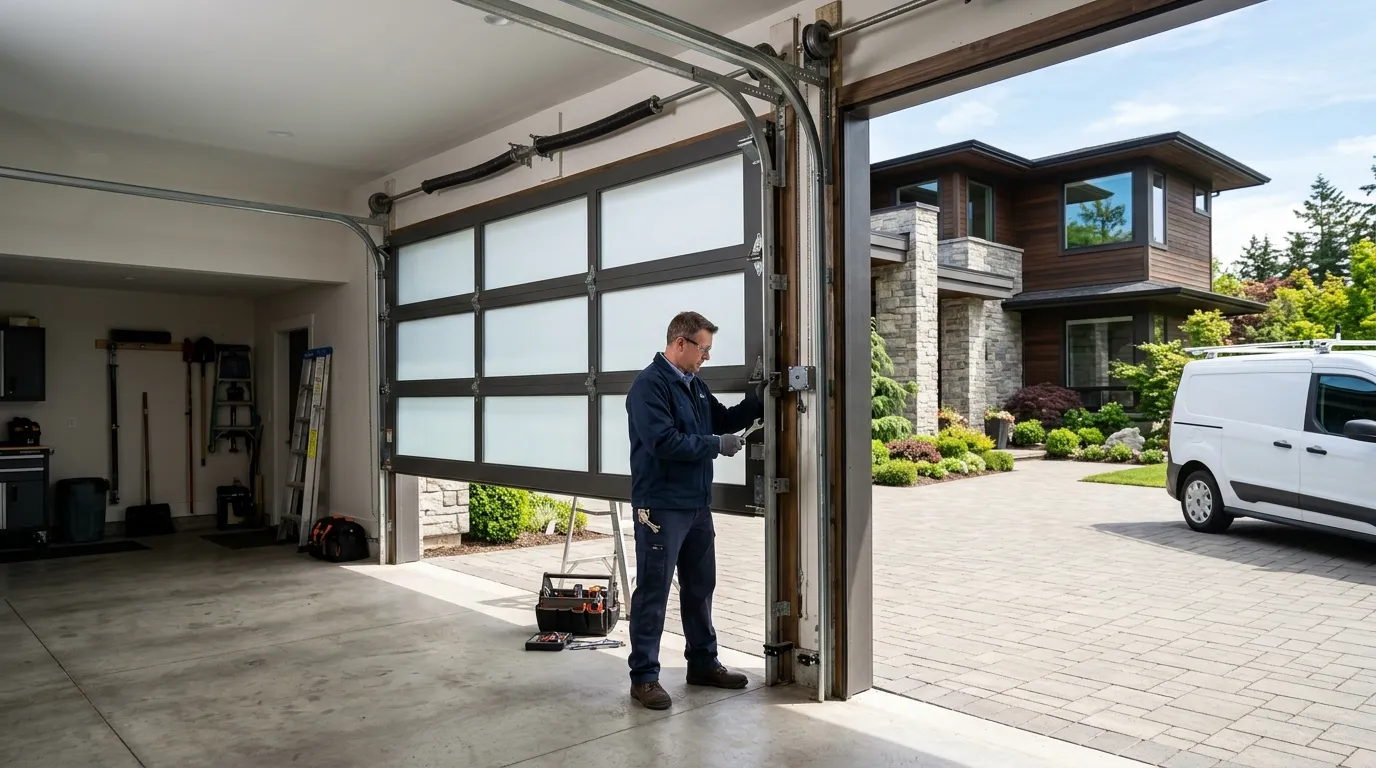
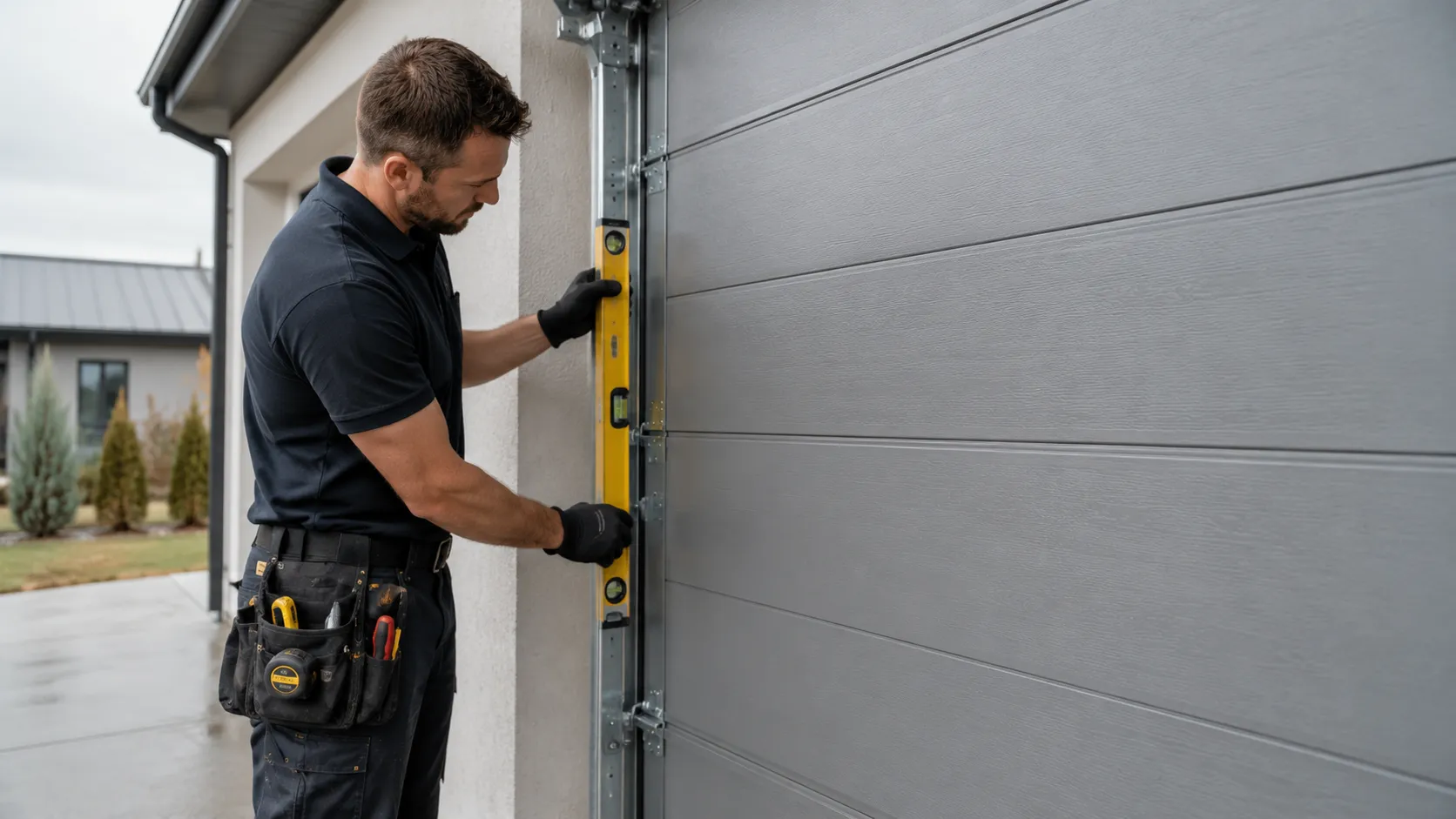
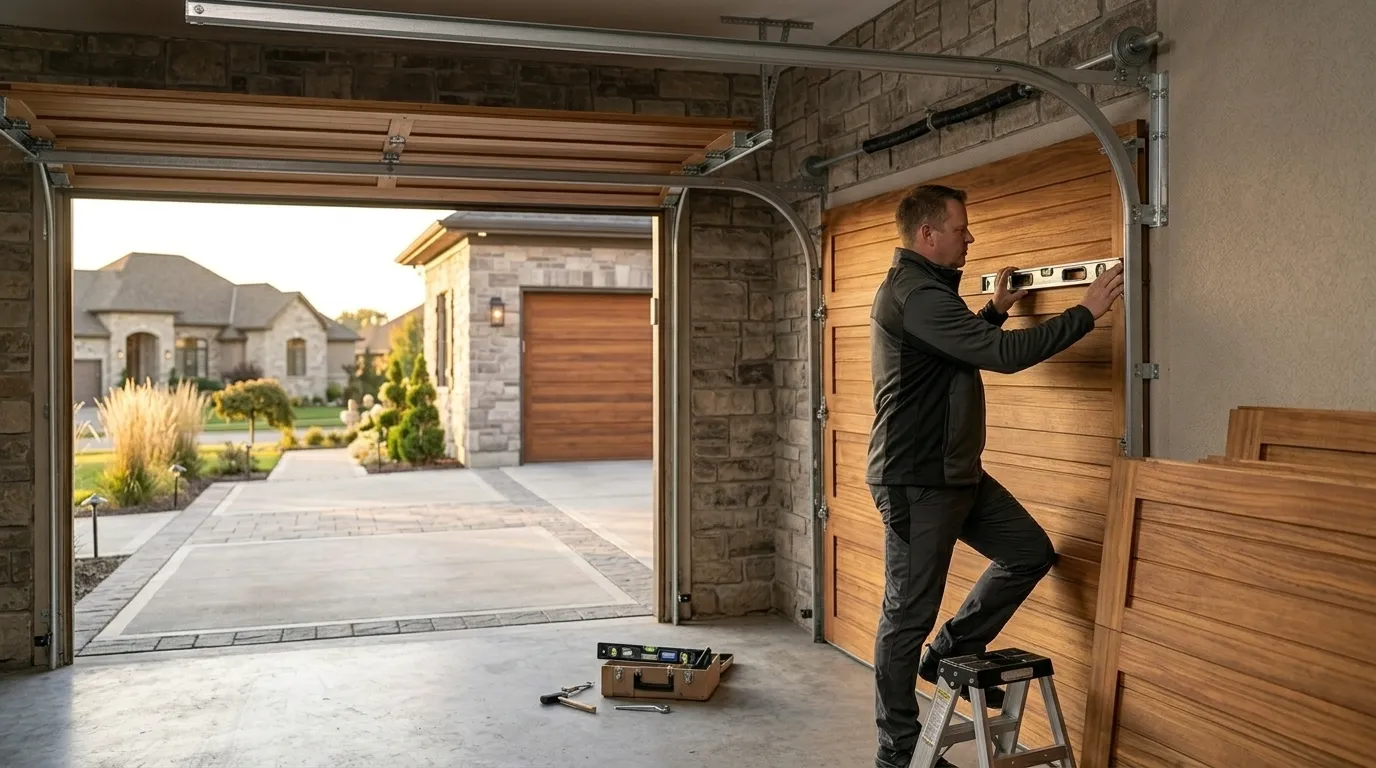
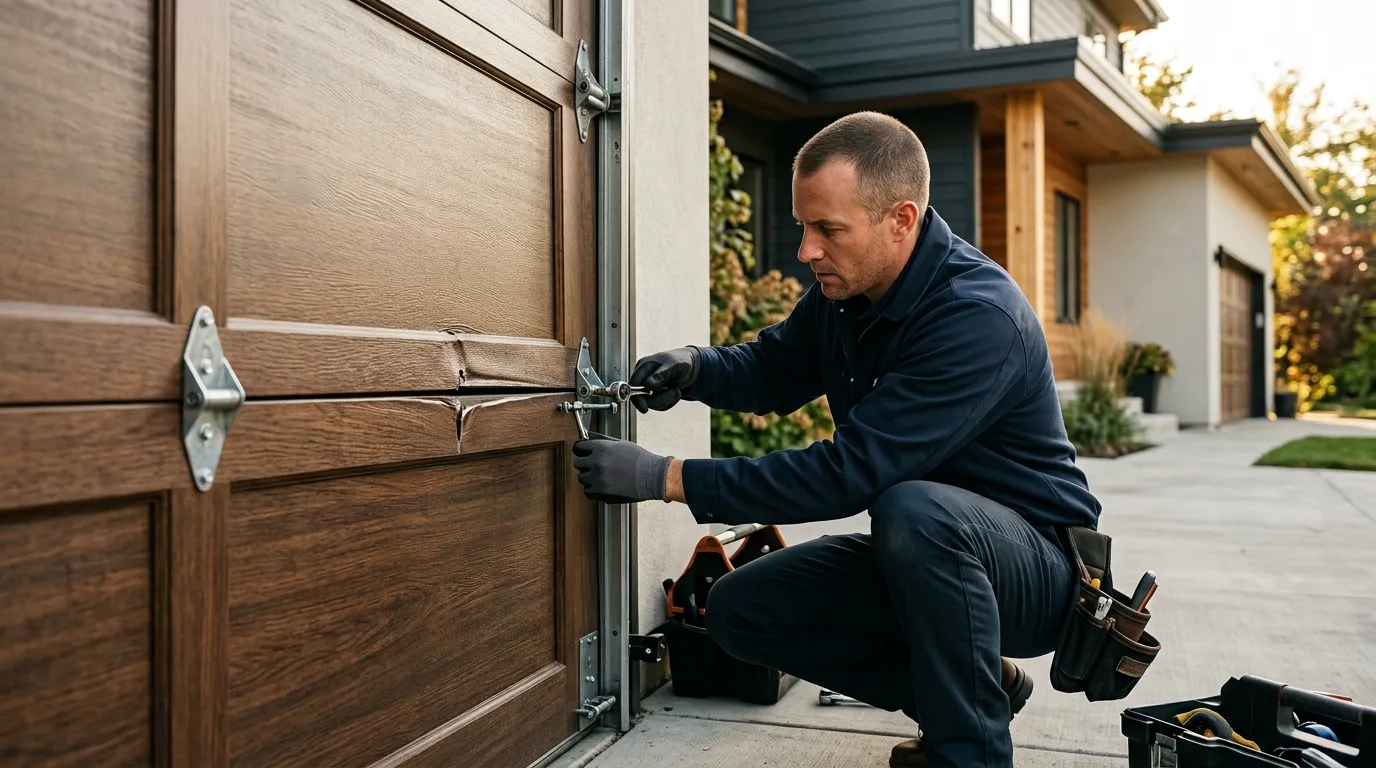
A maintenance visit isn't a repair, and we're upfront about that. We check spring tension and adjust it if the door's drifted out of balance, lubricate the rollers, hinges, and track, inspect cables and pulleys for fraying, and test the opener's force settings and auto-reverse safety feature. On a 1985-era door that's still original, we're also checking whether the hardware is even still serviceable - some of the bracket styles from that period aren't made anymore, and if a part's cracked or badly worn, replacement with a compatible modern piece is the honest answer, not trying to keep the original running. We don't force a full opener swap or spring replacement on a maintenance call unless something's actually failing; the point of the visit is to catch small wear before it turns into a locked-out garage or a snapped cable, not to upsell a new system to a door that's still doing its job.
The Symptom
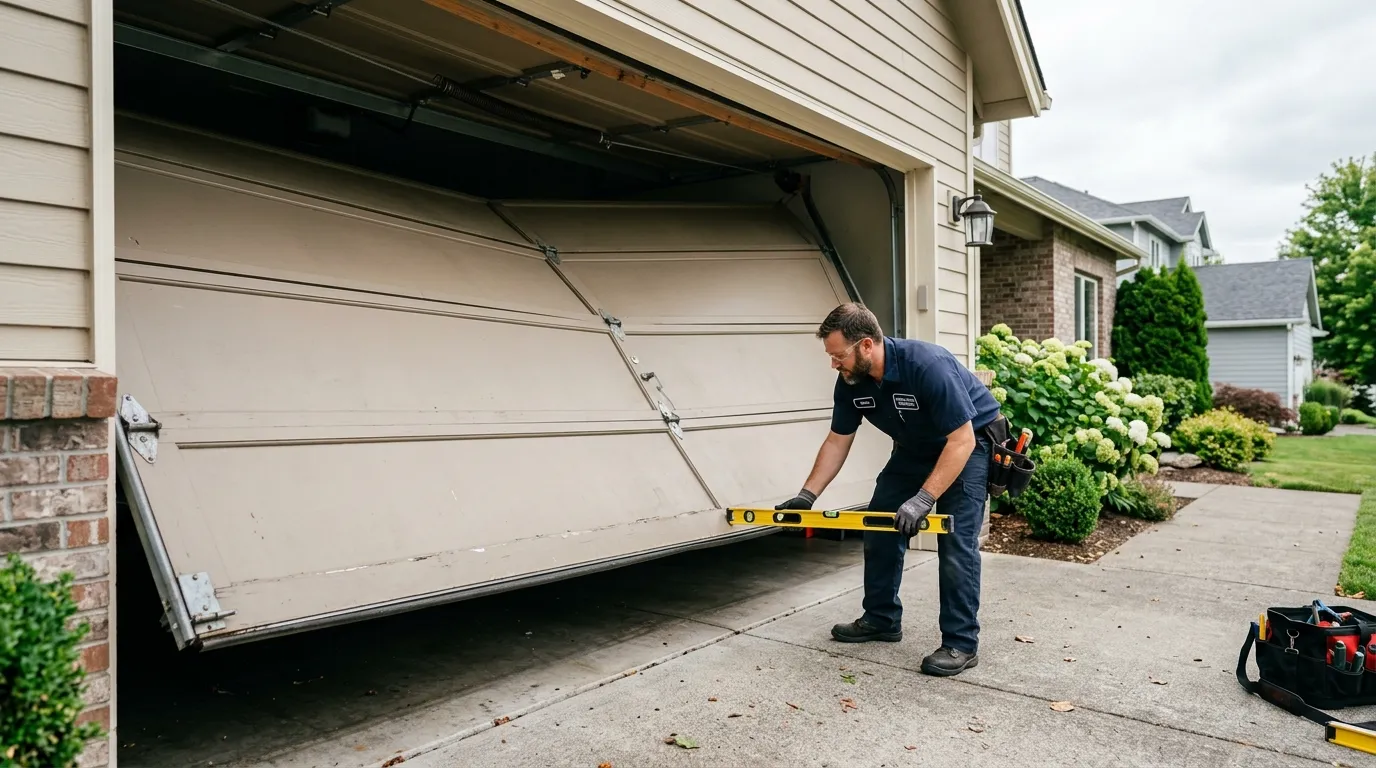
The thing homeowners in South Venice usually notice first isn't a dramatic failure, it's a door that's gotten louder or slower than it used to be, or an opener that seems to strain right before the door reaches the top. Sometimes it's a door that reverses on its own partway down, which usually points to a sensor alignment issue or a spring that's lost tension, not a broken opener. Given that most of this area's stock is mid-80s rather than the older 60s and 70s builds closer to central Venice, we see fewer full-on structural or track issues and more slow mechanical drift - the kind that maintenance is built to catch. If a door's binding badly, jerking, or won't move at all, that's past the maintenance stage and into a repair call, which is a different visit.
How it works
From “it’s stuck” to “it’s fixed”
01
Tell us what’s wrong
Describe the symptom - won’t open, loud bang, opener runs but the door won’t move.
02
On-site diagnosis
A technician tests the door under power and by hand and finds what actually failed.
03
Clear, up-front plan
You get the fix that’s needed and what drives the cost - before any work starts.
04
Repaired & tested
The repair is done, the door is set true and tested, and the work area left clean.
Serving Venice, FL - tell us what your door’s doing and we’ll take it from there.
How often should a garage door in South Venice get serviced?
There's no fact-specific interval we can quote for this exact neighborhood, but a yearly check is standard practice for doors in a humid coastal climate like this one. If your door is original to a mid-1980s build and hasn't been serviced, that's a reasonable place to start.
Is South Venice covered by your regular service area?
Yes. South Venice sits about five miles from Venice and is part of the areas we cover on our regular routes, so a maintenance visit here doesn't require a special trip or added wait.
Will maintenance fix a door that's already binding or won't open?
No. Maintenance is for catching wear before it becomes a failure - lubrication, balance checks, hardware inspection. A door that's already binding, jerking, or stuck needs a repair visit, not a tune-up.
Does the age of my house affect what a tune-up checks?
It does. Most South Venice homes date to around 1985, which is newer than much of the wider Venice area's 1960s-70s stock, so we're often dealing with less corrosion but still checking whether original hardware from that era is still in good shape.
Ready to get your garage door sorted?
Tell us what it’s doing and where you are in Venice - we’ll take it from there.