The DIY Question
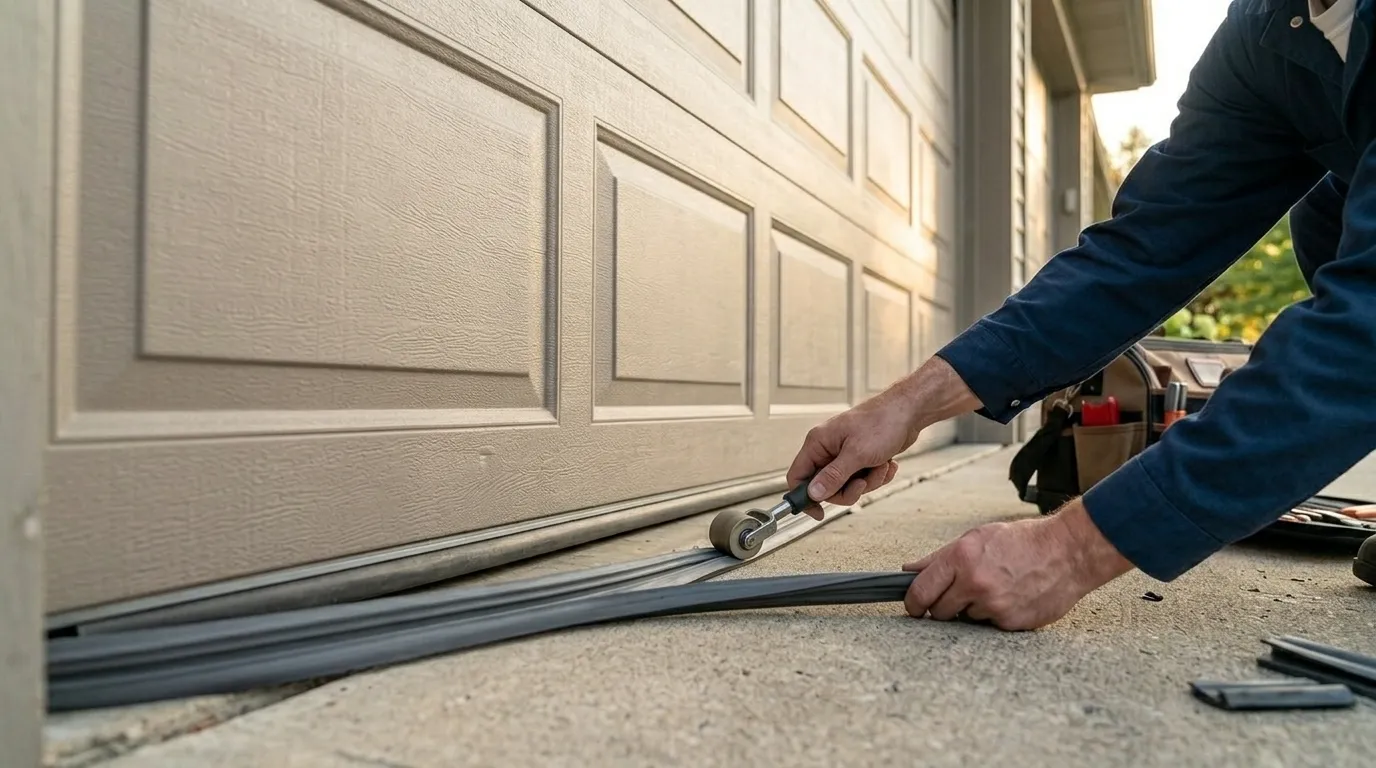
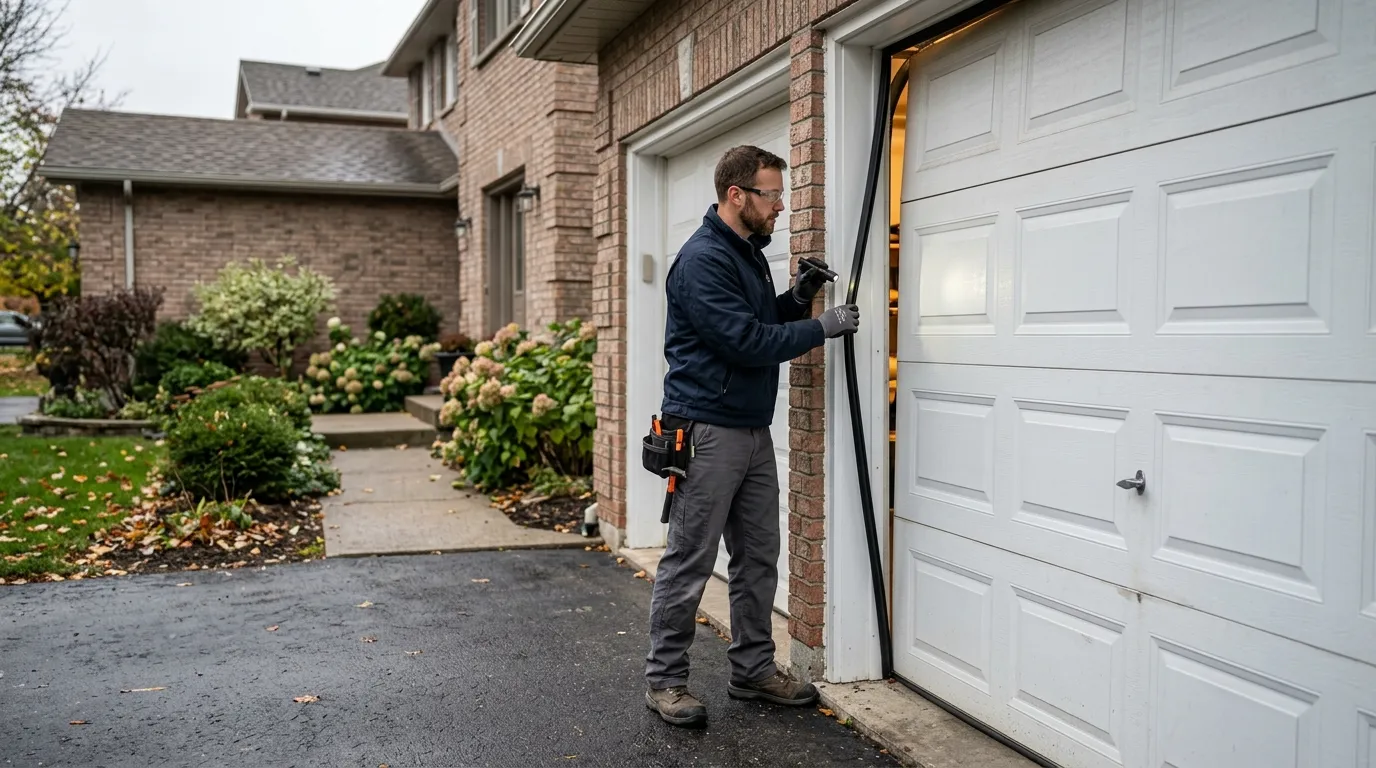
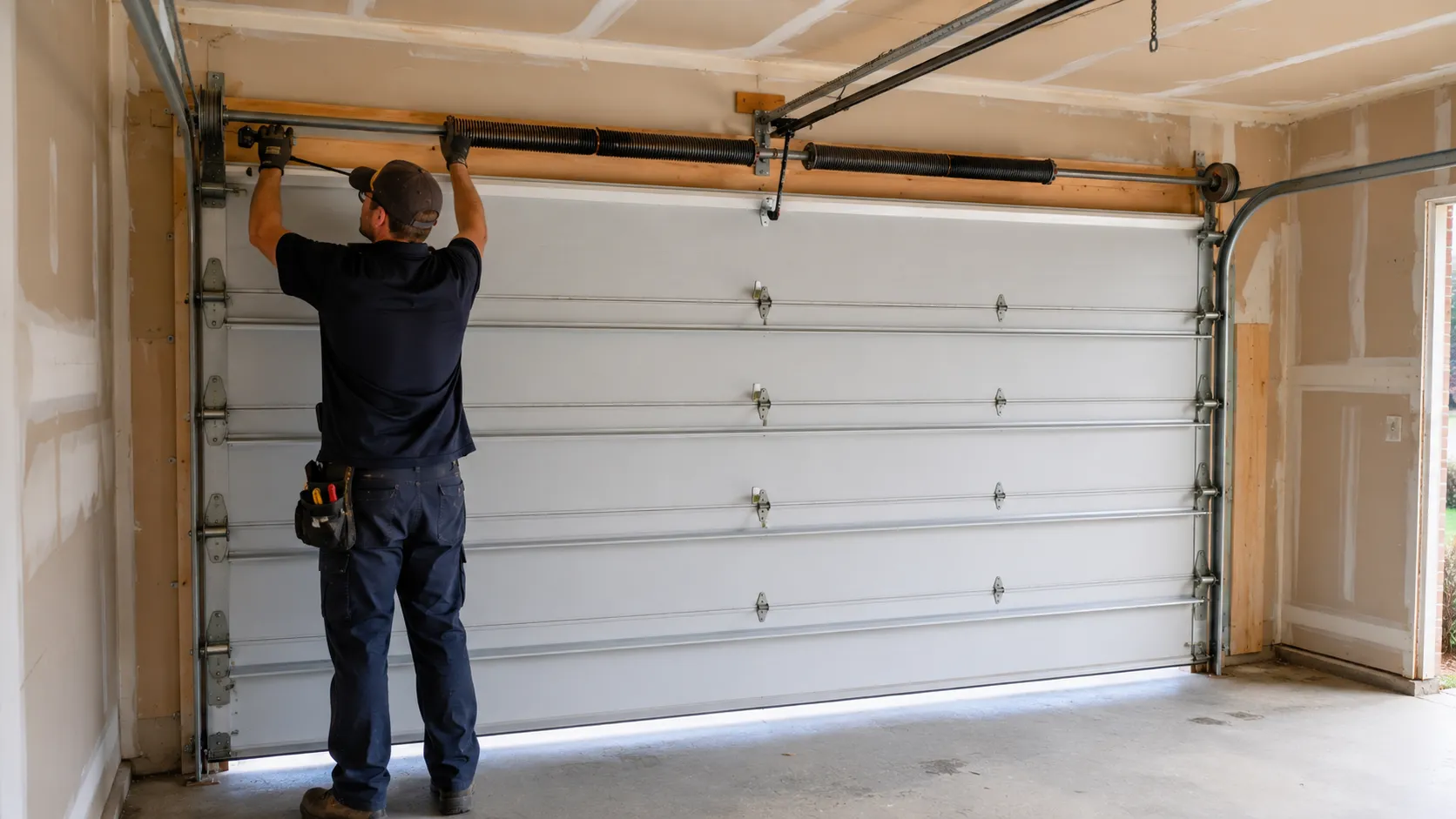
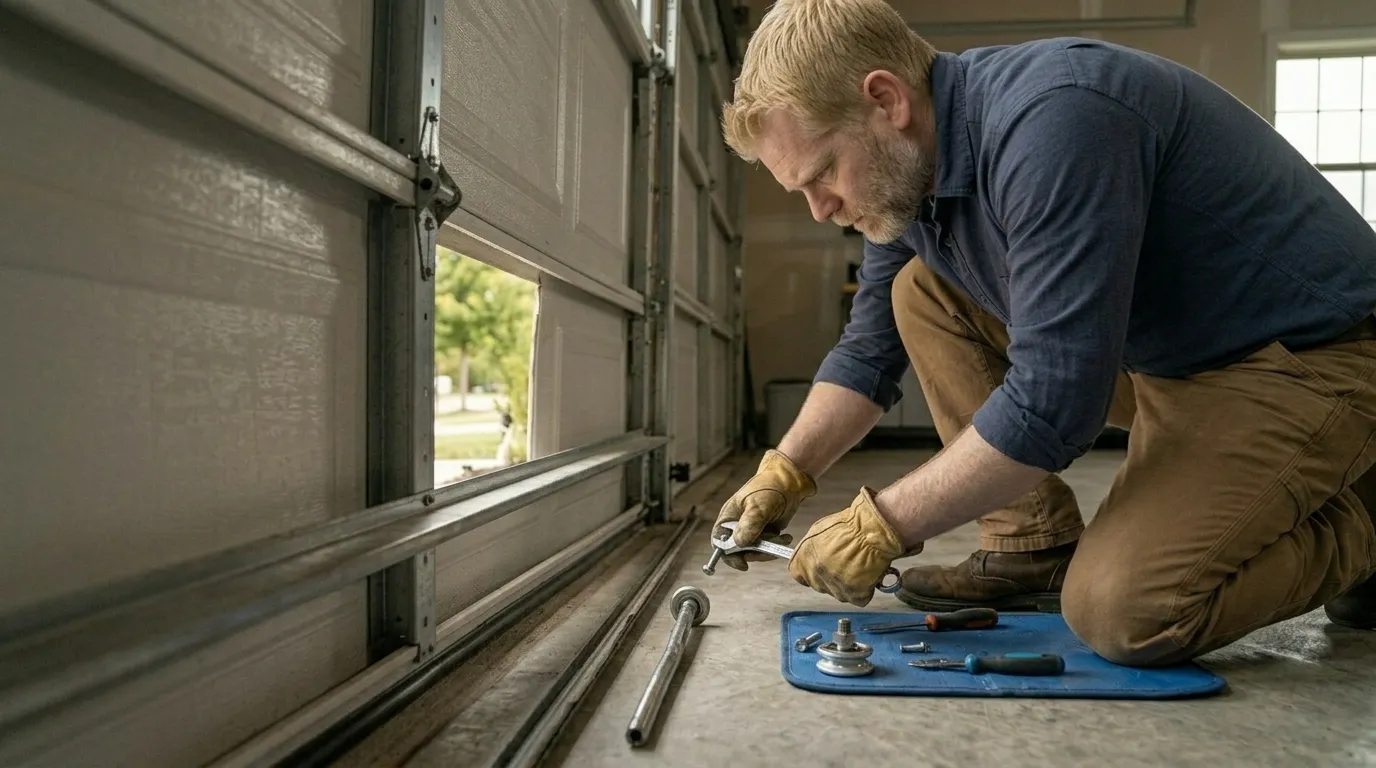
If your opener is from the original 1968 build era or even a replacement from the 80s or 90s, don't take the cover off the motor housing and start poking at capacitors or gears. That's a parts-and-labor job, not a Saturday project. Winding or unwinding a torsion spring yourself is the one thing we'll flatly tell you not to do - the bar and winding cones on older setups have killed people, and a spring that's been under tension since before you owned the house doesn't behave predictably. What you can safely check: the photo-eye sensors near the floor track, whether the door reverses when it hits something light, and whether the weatherstrip at the bottom has cracked and let daylight through. Those are five-minute looks, not repairs. Given how many houses in Venice Gardens are still running original or near-original hardware, a home inspection before you touch anything usually saves you a second call.
Where This Job Goes Sideways
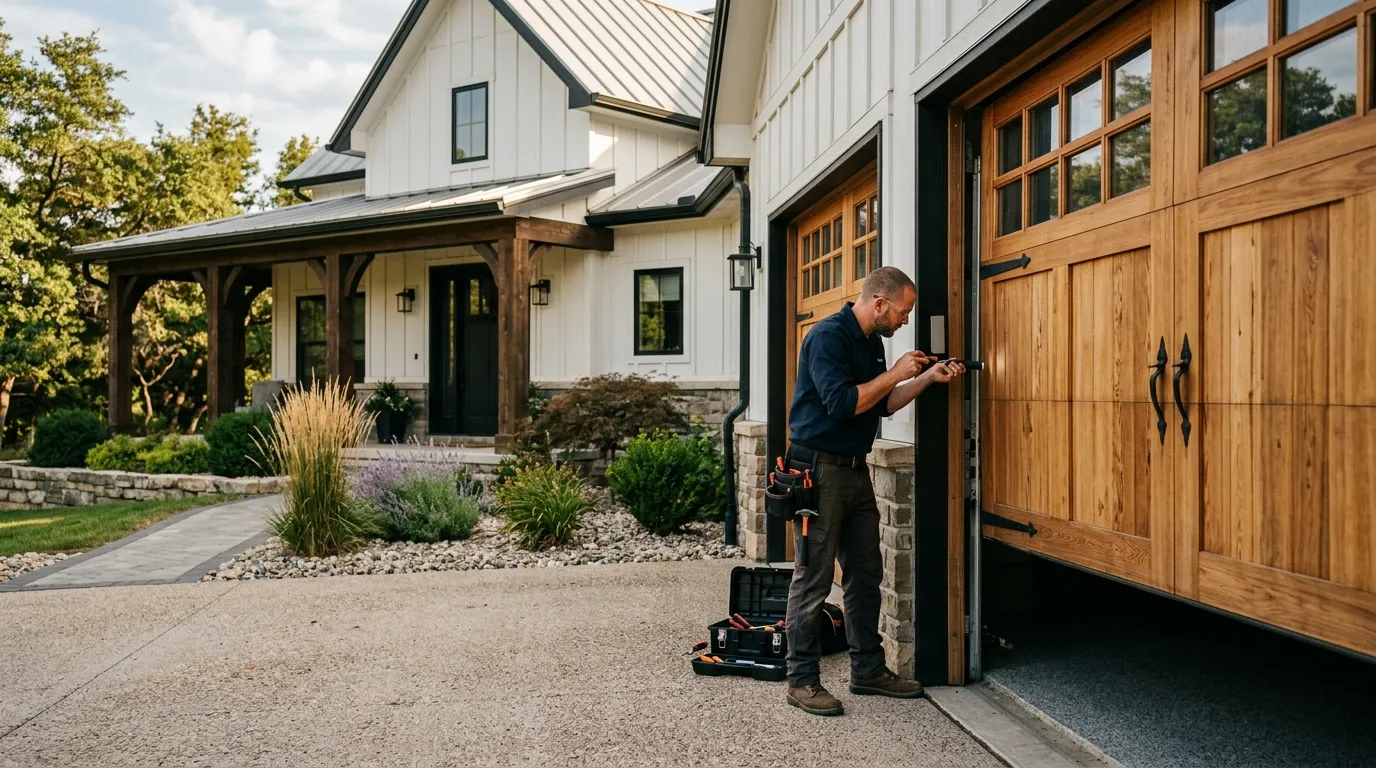
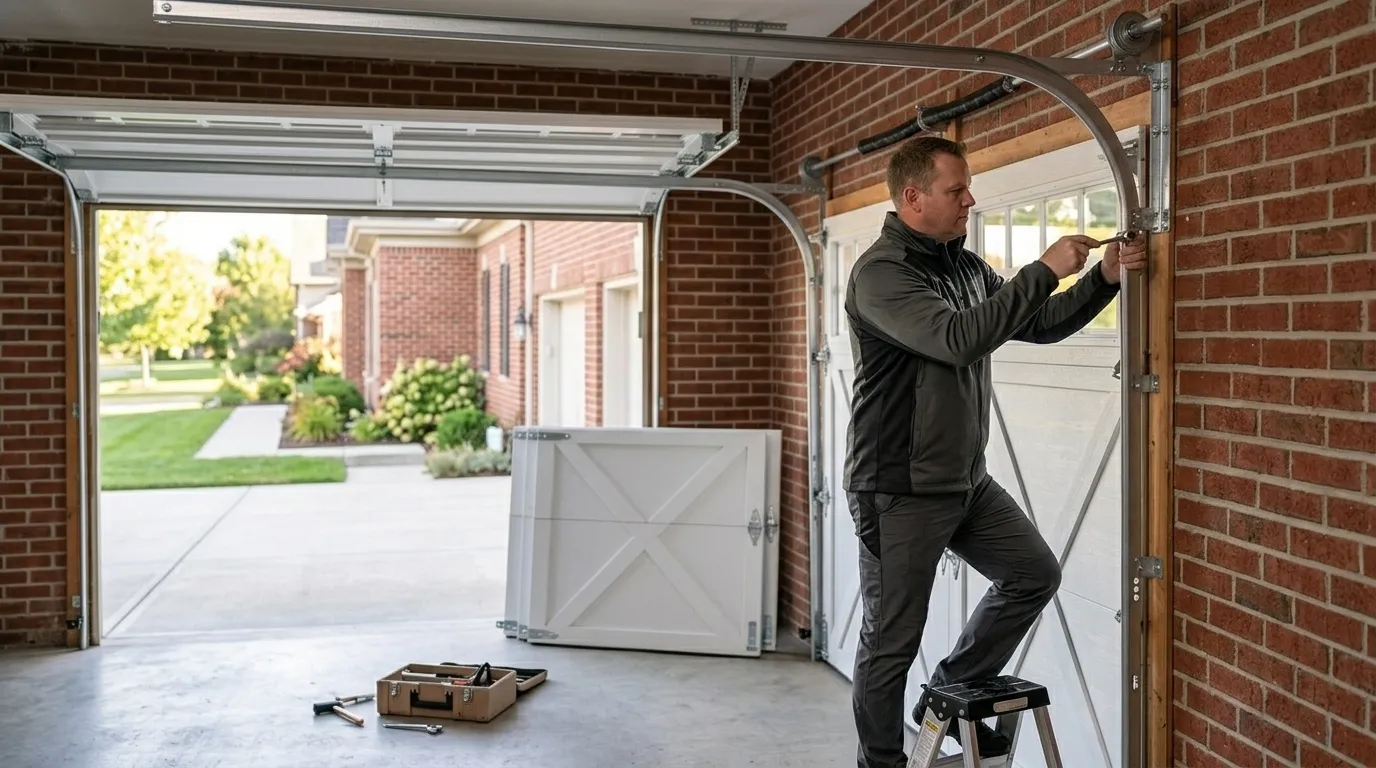
The job goes sideways here when someone assumes a house built in 1968 has the same door hardware as a house built in 1995, and it doesn't. Track spacing, spring anchor points, and header clearance all shifted over the decades this area developed, and a part that fits a newer build three miles away in Venice won't necessarily bolt onto an older frame here. We've had calls where a homeowner bought a universal opener kit online, got it home, and found the bracket doesn't clear the low header common on the older single-car garages. The other place it sideways: income and budget. Median household income here runs a bit under the wider service area's $77,359, closer to $71,000, and that changes the math on repair versus replace. A full replacement door makes sense on some of these jobs. On others, especially where the frame and track are sound, a spring and roller job gets another decade out of what's there. We'll tell you which one you're actually looking at before we quote anything.