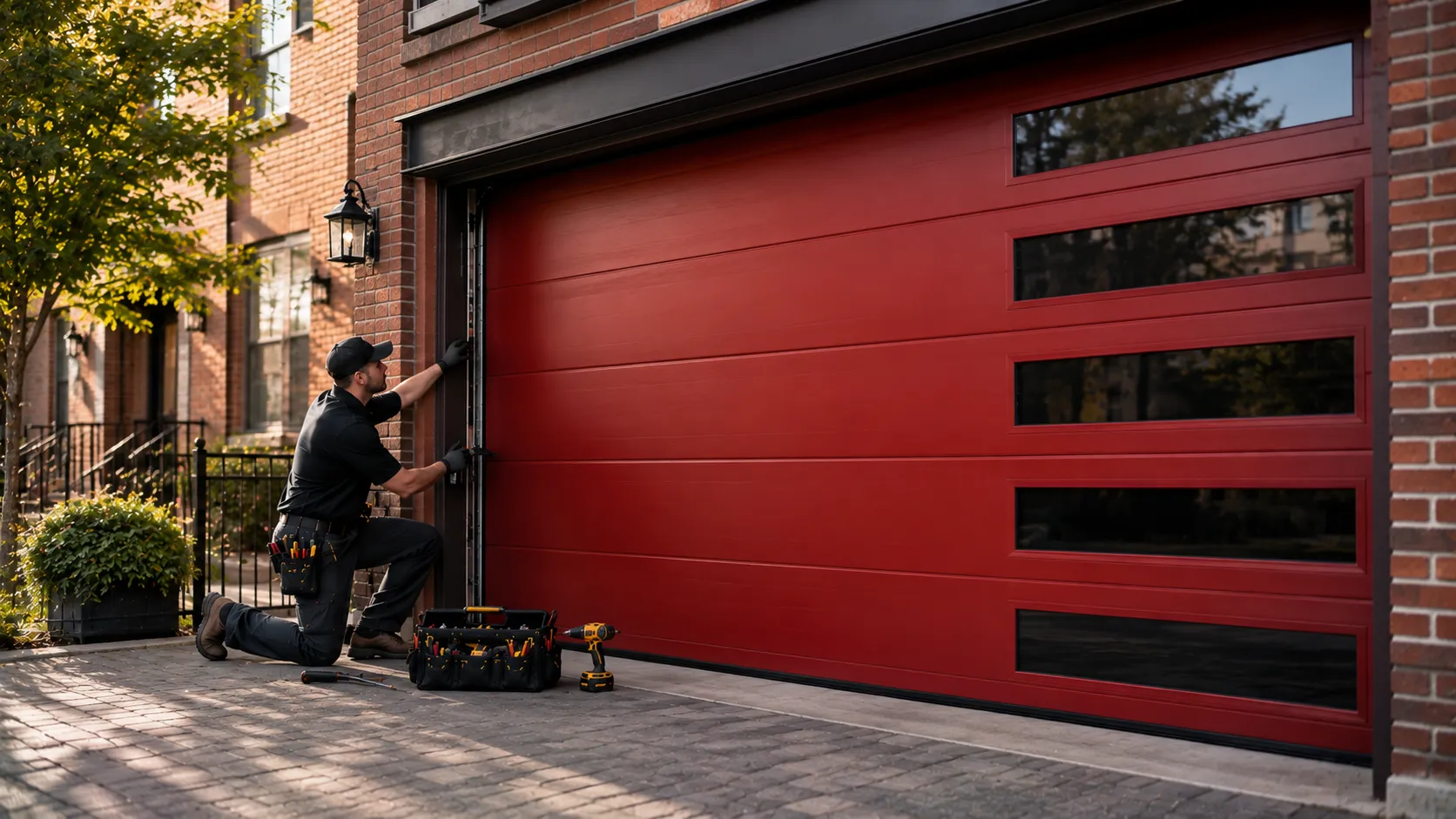
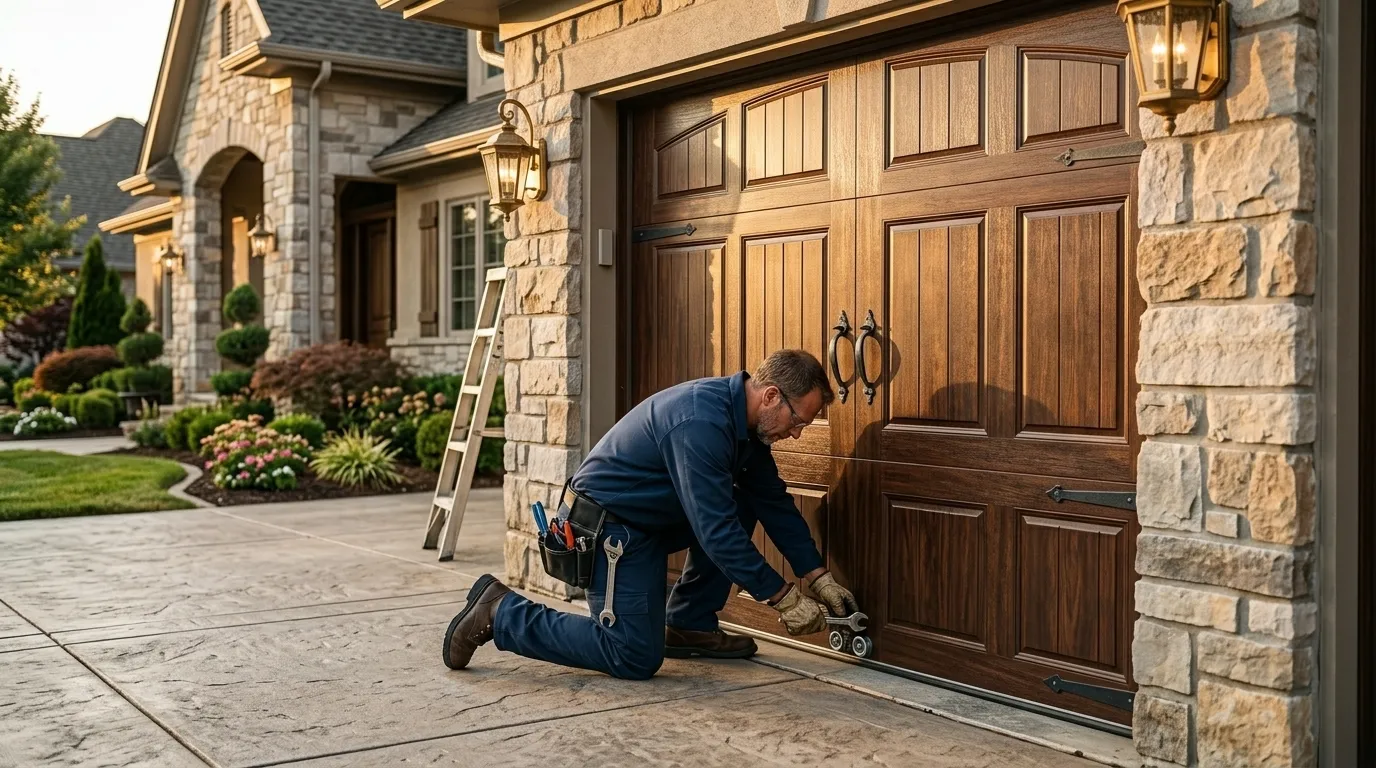
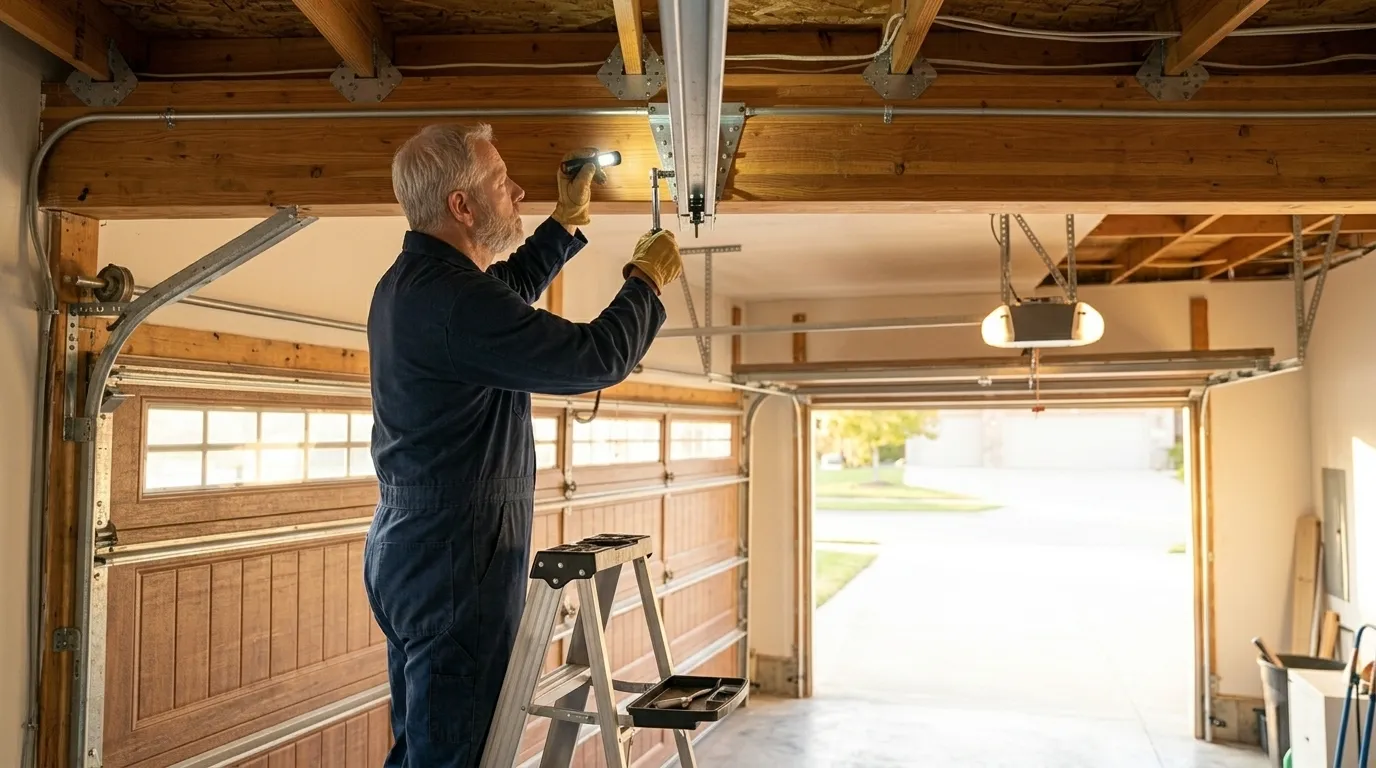
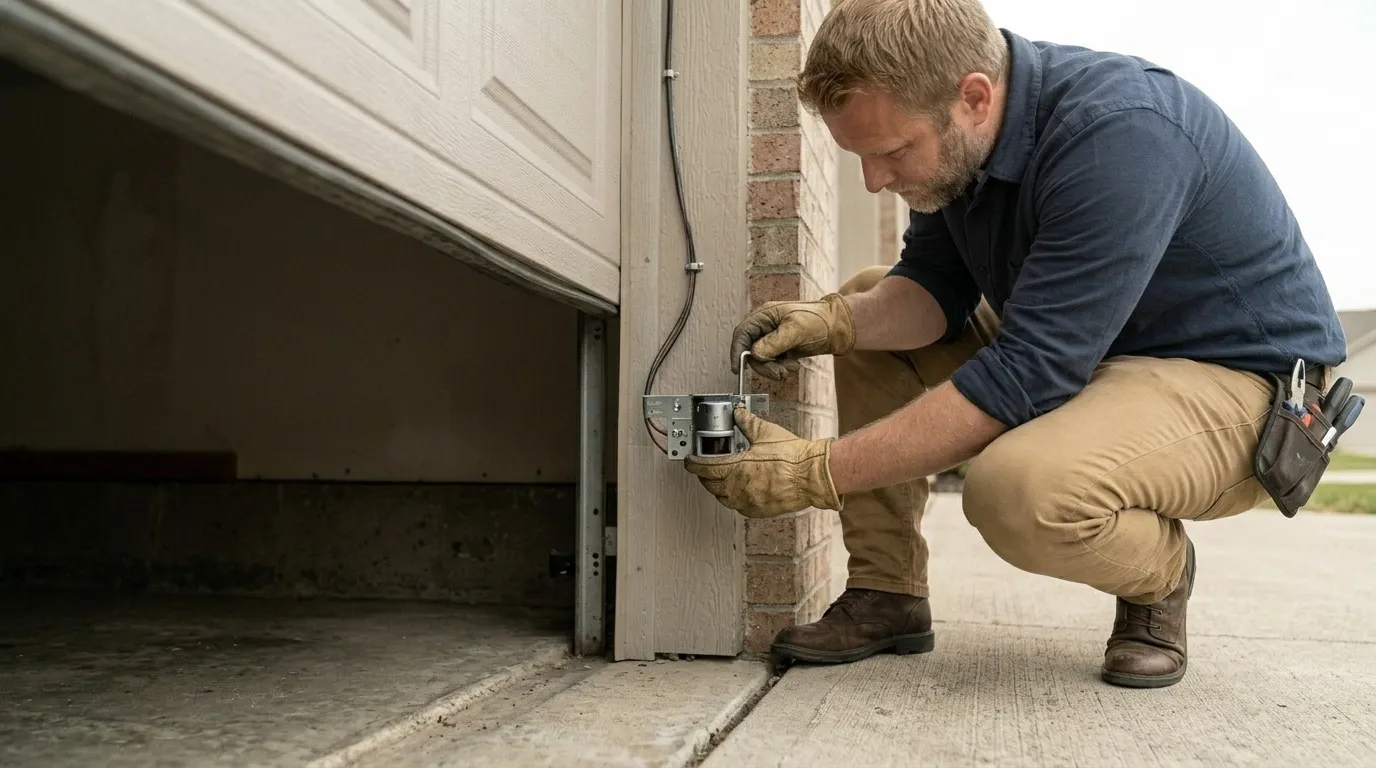
New garage door installation in Venice Gardens, FL, where most homes date to the late 1960s. See what a new door costs and when replacement beats repair.
Median household income in Venice Gardens runs around $71,000, a bit below the $77,359 median across the wider service area. That gap matters because it sets where the repair-or-replace line actually falls. On a house at this income level, sinking $400-$600 into a third repair on a door that's already original to the home rarely pencils out the way it does on a newer build. The math tips toward replacement sooner here than it does in the newer sections closer to Venice proper.
The bigger driver is age. Homes in this pocket, about 3 miles from Venice, mostly went up around 1968, right in the middle of the broader area's 1964-1999 build window. A door installed with the house, or even a first replacement from the 80s, is running hardware that predates the springs, rollers, and track profiles sold today. Torsion setups from that era were often sized for lighter doors than what's on the market now, and when a homeowner swaps in a heavier insulated panel without touching the spring, the opener starts straining almost immediately. That mismatch, not bad luck, is what actually breaks these doors down.
The DIY Question
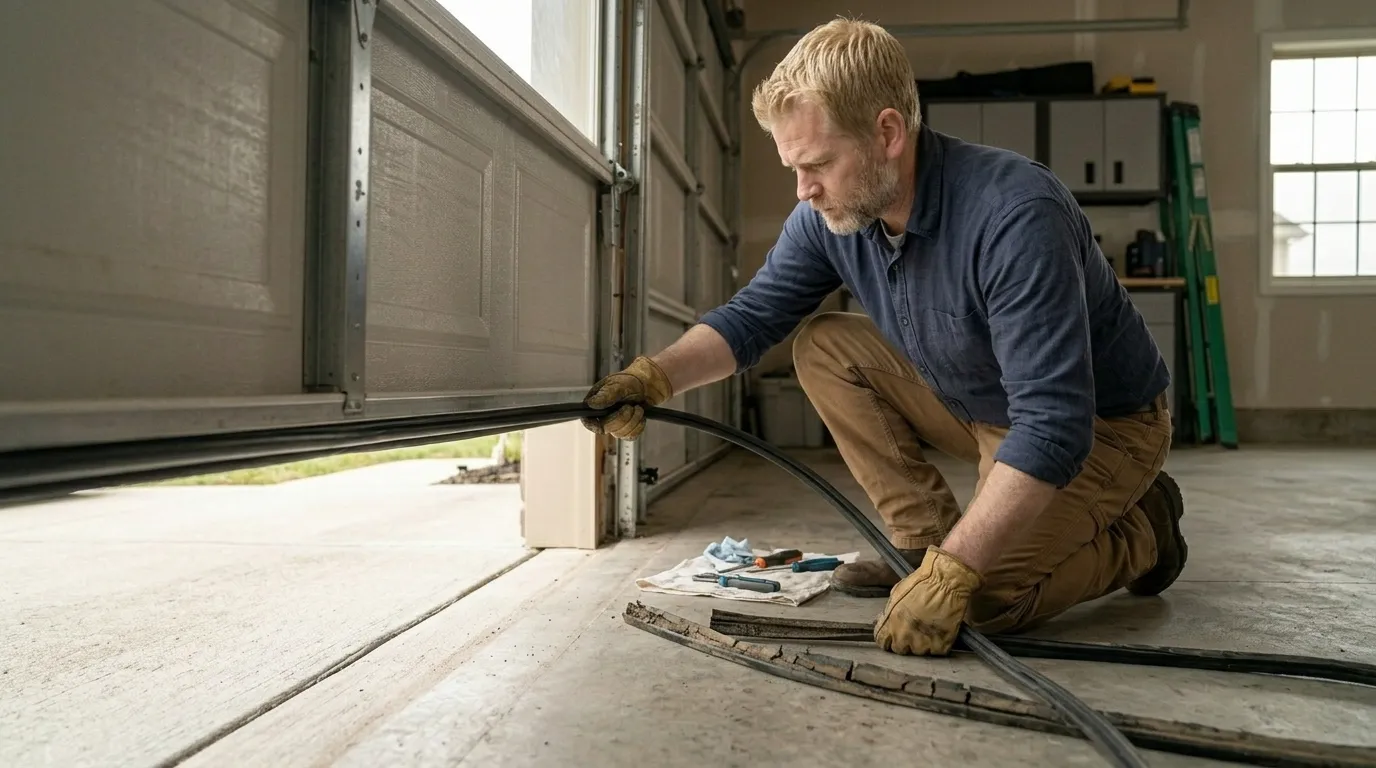
Some of this is fair game for a homeowner with the right tools: swapping weatherstripping, tightening loose hinges, lubricating rollers, replacing a worn pull cord on the opener. None of that requires calling anyone.
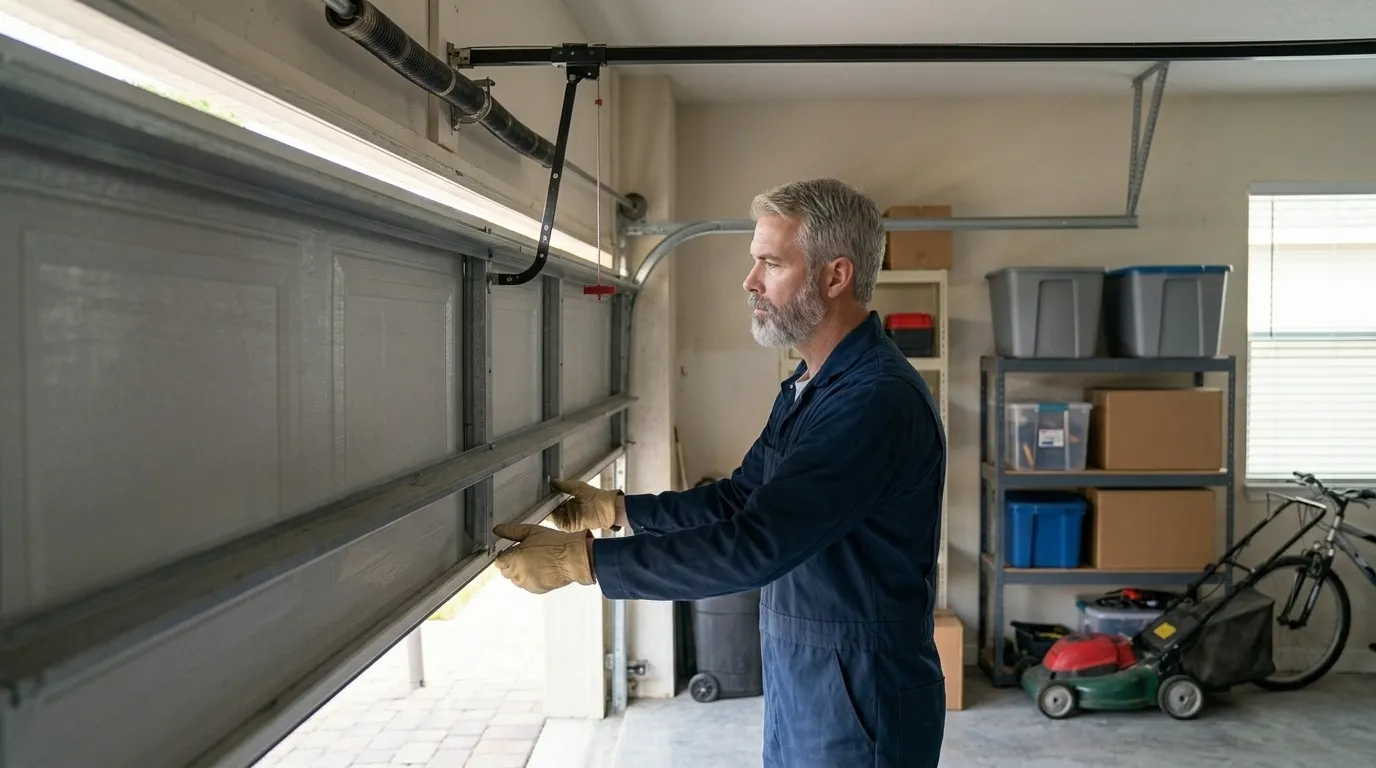
Where it stops being a weekend job is the spring and the track. A torsion spring under tension can take a finger or worse, and on a door this age the mounting hardware itself may not match what's sold today, which means the wrong replacement part gets forced into an opening it wasn't built for. We'll say plainly: we don't recommend DIY spring swaps on any door, and we won't talk anyone through doing one over the phone. That's not upselling, it's the one part of this job where a mistake is physical, not cosmetic.
Measuring for a new door is the other place people get burned doing it themselves. A 1968-era opening was framed to a standard that's shifted more than once since, and a stock door ordered online without a true field measurement often shows up wrong by an inch or two, which is enough to make it unusable.
Where This Job Goes Sideways
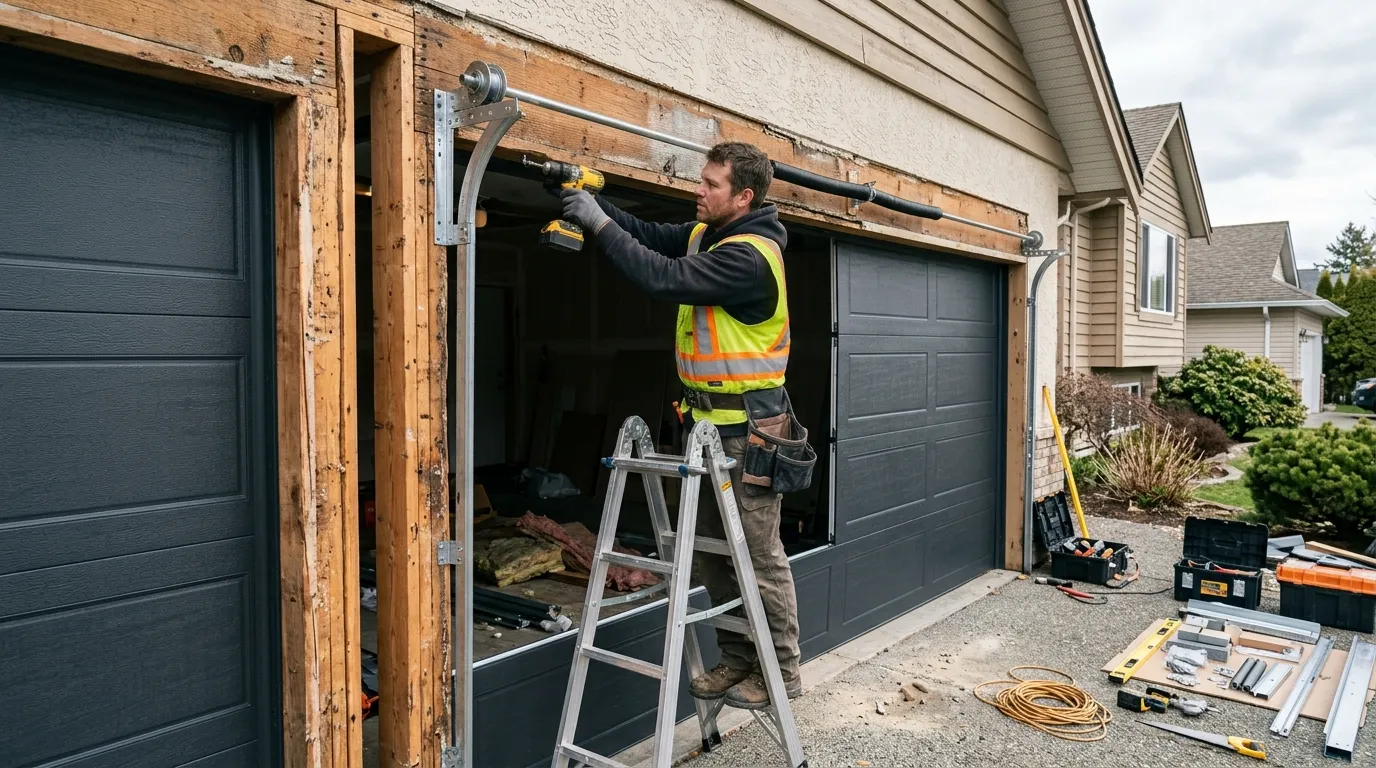
The most common surprise on a Venice Gardens install isn't the door, it's the opening it has to fit. Framing from 1968 doesn't always match the tolerances a modern manufactured door assumes, so a job that looks like a straight swap on the phone can turn into shimming the jamb or trimming trim on site.
The second place it goes sideways is the track and header clearance. Older garages in this area sometimes have less headroom above the door than current low-headroom track hardware assumes was standard when the house was built, which can rule out certain opener models unless the track gets swapped too, not just the door.
We won't pretend every job here is simple. If the opening is badly out of square or the header's been altered over the decades, that's a longer job than a same-day panel swap, and we'll say so before we start rather than after.
The Symptom
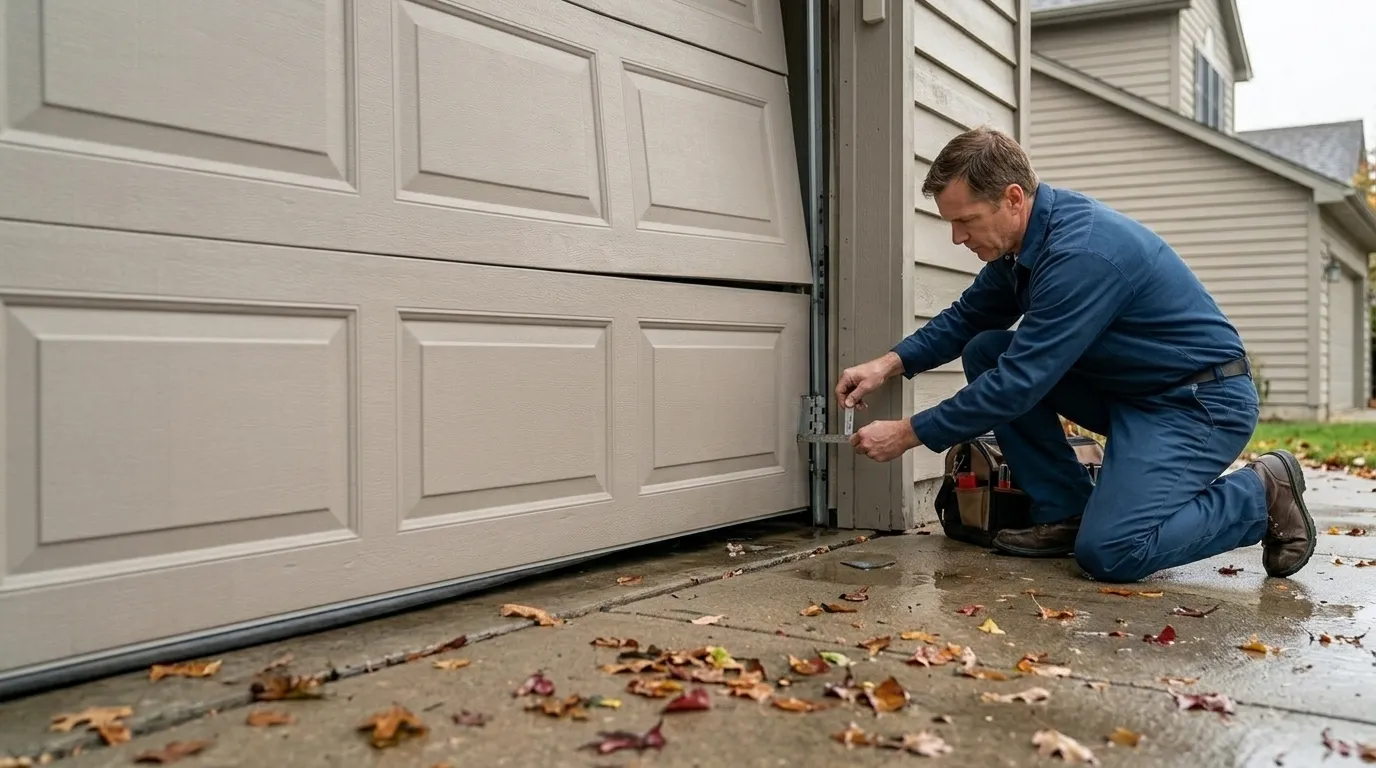
The area sits in a mild temperate climate band, so these doors aren't fighting freeze-thaw cracking the way they would further north. What they're fighting instead is decades of steady use on hardware that was never built to last 55 years. The tell is usually a door that still opens and closes but sags visibly at the bottom corners, or a panel seam that's started to separate where the original steel has thinned.
A door that groans on the way up, or one where the opener strains and reverses partway through the cycle, is often past the point where a new spring fixes it. On a home built around 1968, that's frequently the original door hardware doing its best, and by then the cost of chasing individual repairs starts to exceed just replacing the unit. We measure and quote a new install rather than guessing over the phone, since the opening itself is the variable that decides what actually fits.
How it works
From “it’s stuck” to “it’s fixed”
01
Tell us what’s wrong
Describe the symptom - won’t open, loud bang, opener runs but the door won’t move.
02
On-site diagnosis
A technician tests the door under power and by hand and finds what actually failed.
03
Clear, up-front plan
You get the fix that’s needed and what drives the cost - before any work starts.
04
Repaired & tested
The repair is done, the door is set true and tested, and the work area left clean.
Serving Venice, FL - tell us what your door’s doing and we’ll take it from there.
How old are most garage doors in Venice Gardens likely to be?
Homes in this pocket were mostly built around 1968, which puts many original or first-replacement doors well past the point manufacturers expect them to last. If yours has never been swapped, it's likely running hardware from a different era of sizing and spring tension than what's sold today.
Is it worth repairing an old door instead of replacing it here?
It depends on what's failing. A single worn roller or a frayed cable is a fair repair on any door. But once you're into a second or third repair on a door original to a 1968 build, replacement usually costs less over time than continuing to patch aging hardware.
Does the climate here affect how long a garage door lasts?
The area's mild temperate climate spares doors the freeze-thaw stress that shortens hardware life further north, so failure here tends to come from age and cycle count rather than weather extremes.
Will a new door fit my existing opening without changes?
Not always. Framing from the late 1960s doesn't always match current manufactured door tolerances, so some installs need shimming or trim work at the jamb. We measure on site before quoting rather than assuming a stock size will fit.
Ready to get your garage door sorted?
Tell us what it’s doing and where you are in Venice - we’ll take it from there.