
Where This Job Goes Sideways
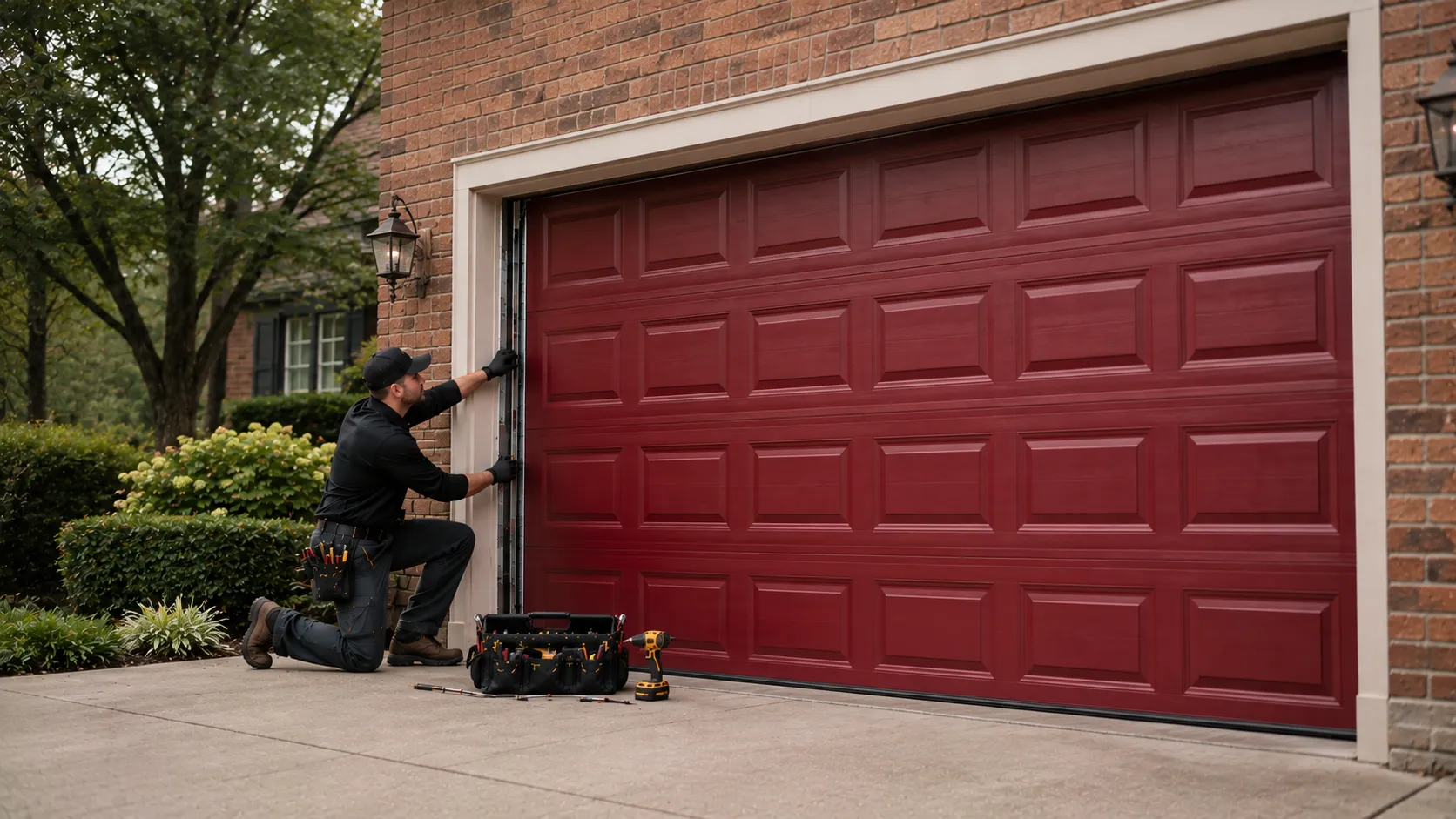
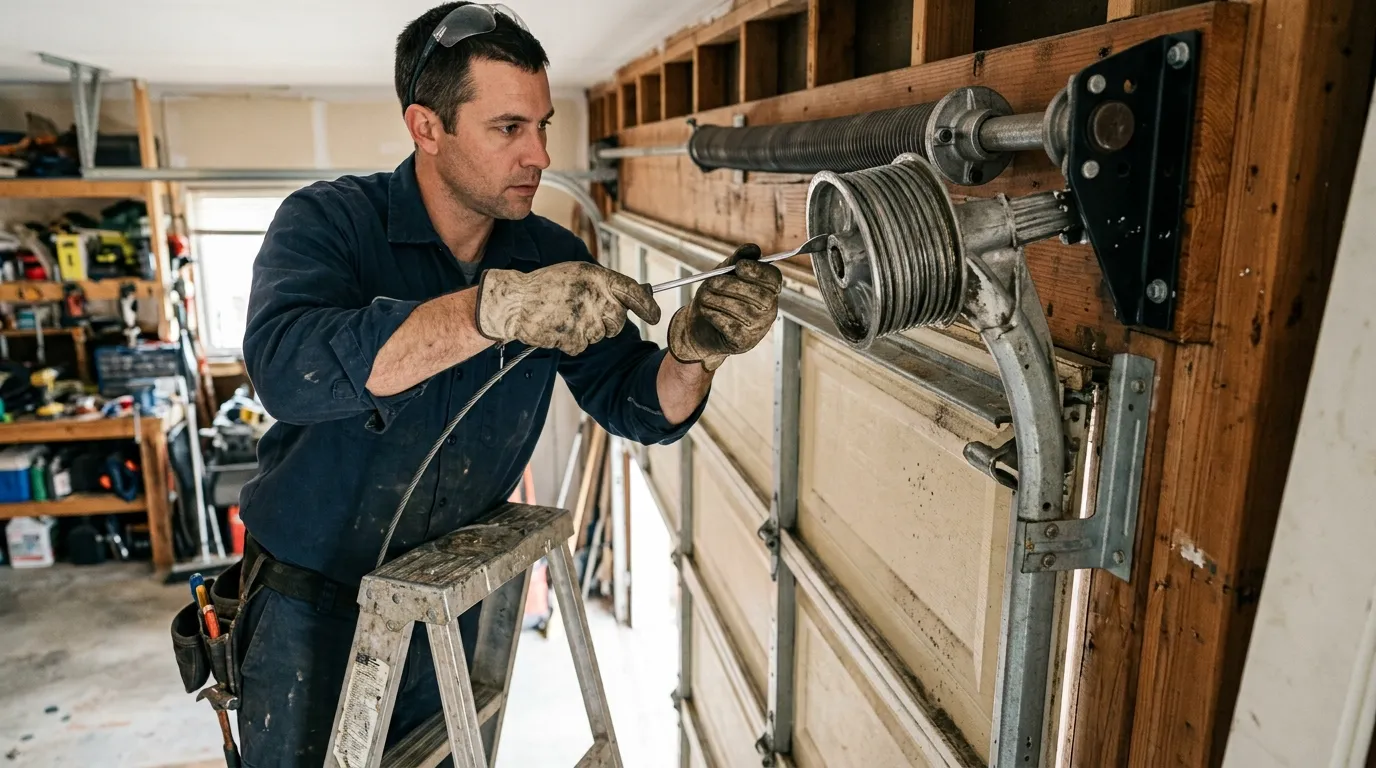
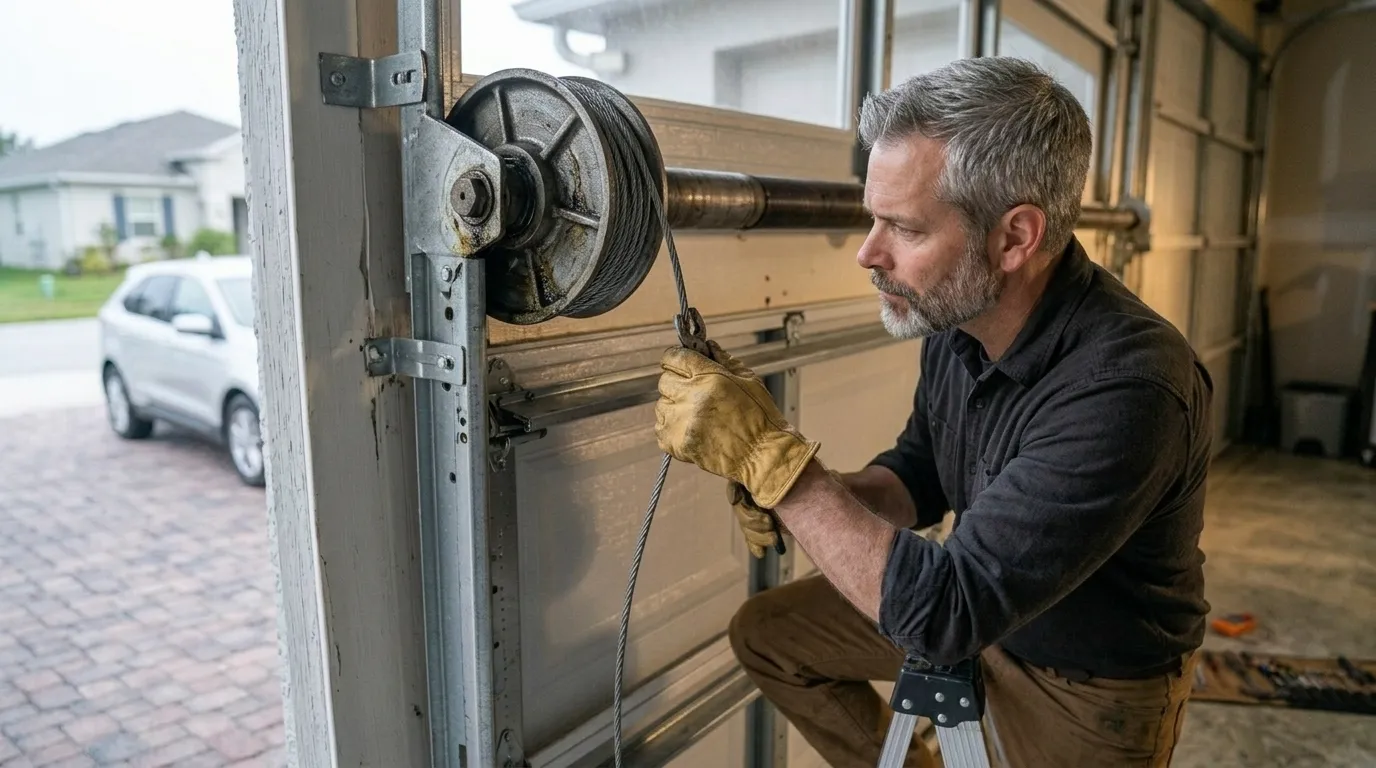
The failure that catches people off guard isn't the cable snapping clean - it's the cable slipping off the drum while the door is still half up. On the extension-spring doors common in Laurel, a cable that's frayed at the drum end will often jump the groove before it actually breaks, and the door comes down crooked, jamming in the track on one side. People try to force it back up by hand, which bends the track further and turns a $150 cable job into a track and roller job too.
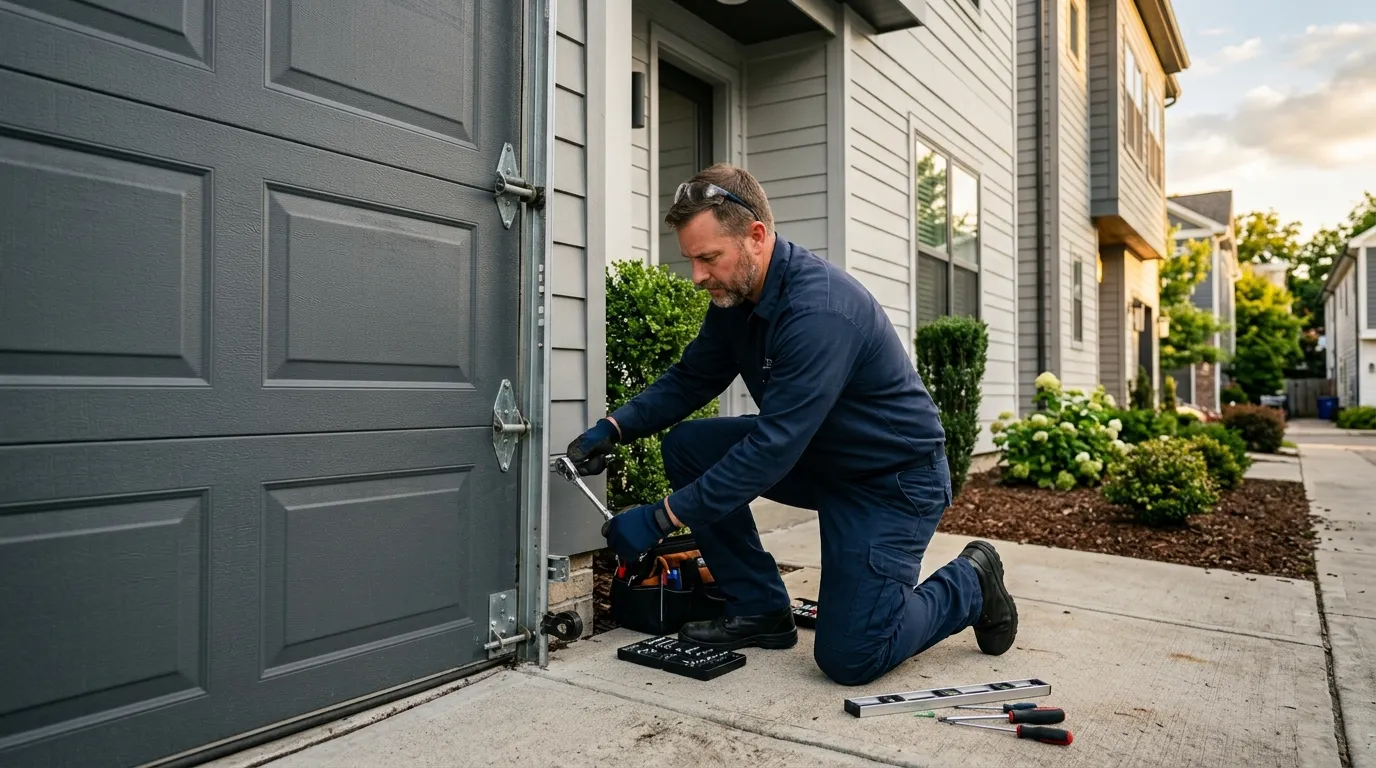
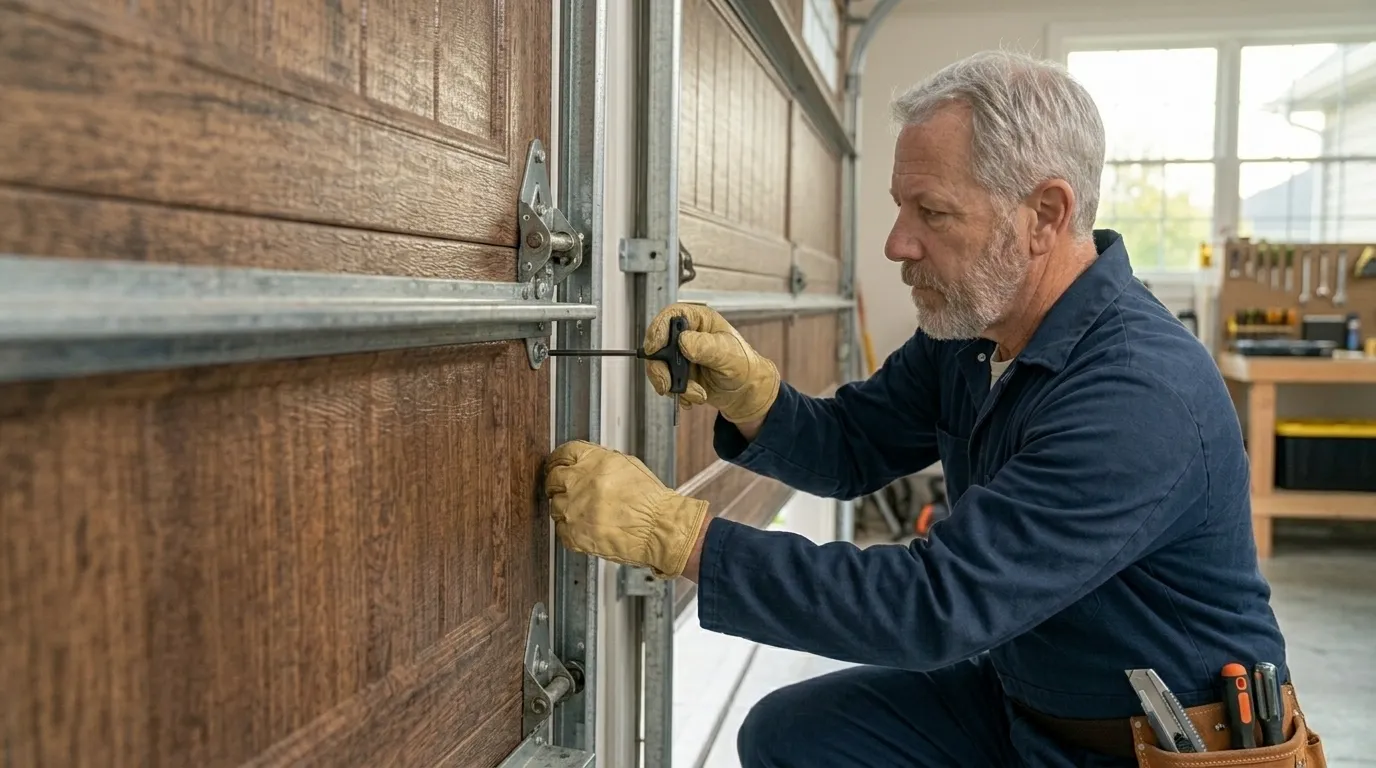
The other spot this goes wrong is the bottom bracket, where the cable clips to the door itself. On doors from the early 1980s that bracket has usually never been touched, and the bolts holding it can be rusted enough that removing them shears the head off. We budget extra time for that possibility on any door built before the mid-80s, because Laurel's stock skews right into that range. Mild coastal climate here means the metal isn't fighting ice and freeze-thaw the way it would further north, but forty years of humidity still takes a toll on galvanized coating, and once that coating goes, the cable underneath rusts from the inside out.
What the Fix Involves
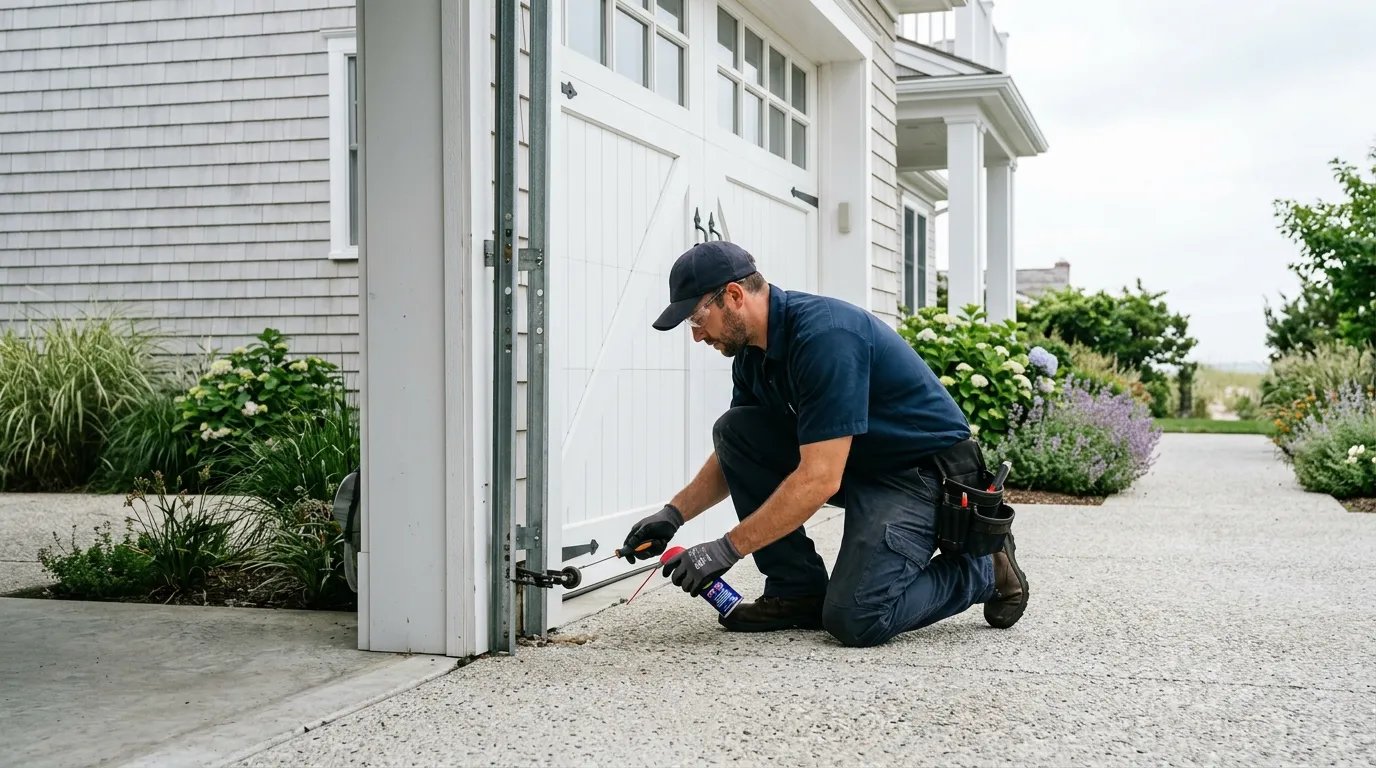
A straightforward cable repair means pulling tension off the spring safely, unwinding the old cable from the drum, and running new cable through the same path, checking the drum grooves and the bottom bracket for wear as we go. If the drum itself is grooved or cracked - not uncommon on a door running its original hardware - we replace the pair, since drums are sold and wear as a set.
On the extension-spring doors typical of Laurel's 1983-era housing, we also check the safety cable that should be threaded through the spring itself. A lot of these older installs never had one added, and it's a cheap add-on now versus what happens if a spring lets go without it. We'll point that out on the invoice, not push it as an add-on you have to take, because it's your call whether to add it during this visit or wait.