Where This Job Goes Sideways
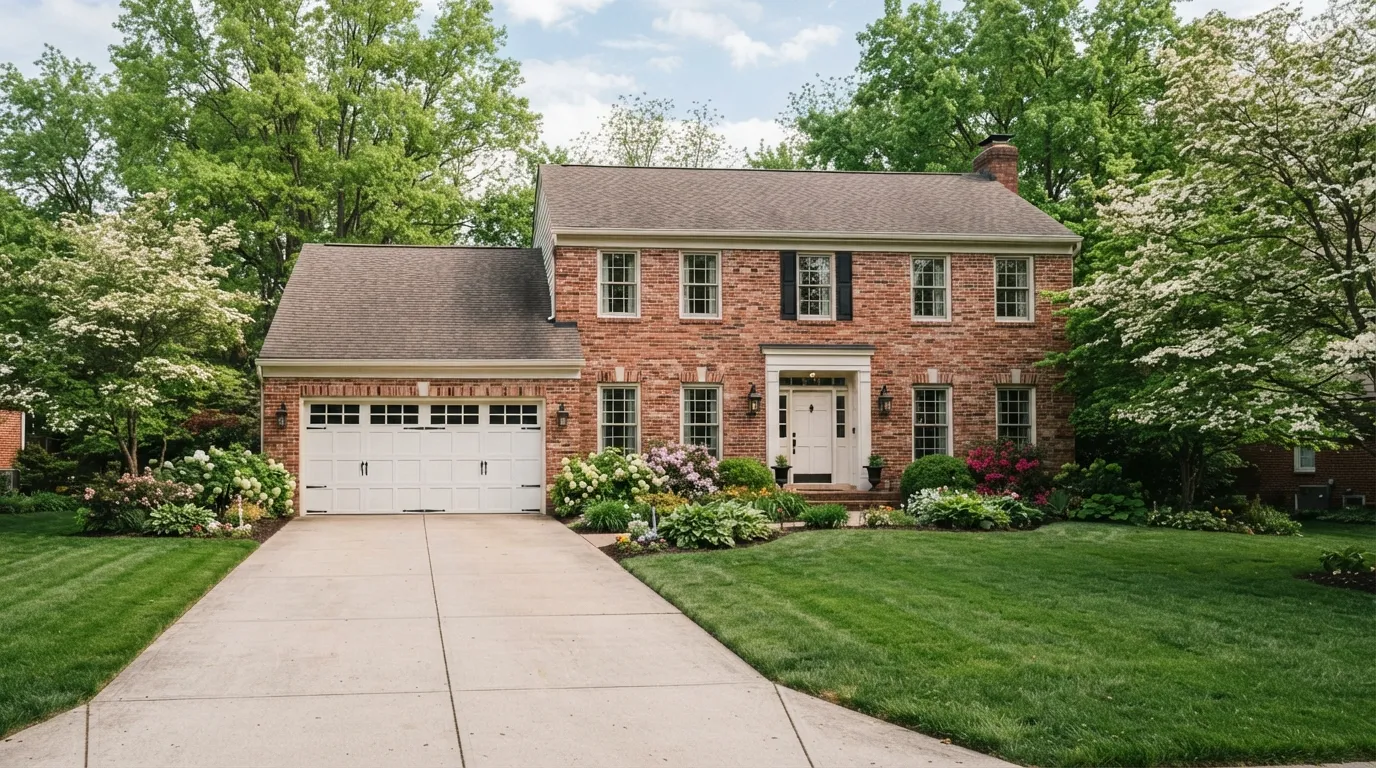
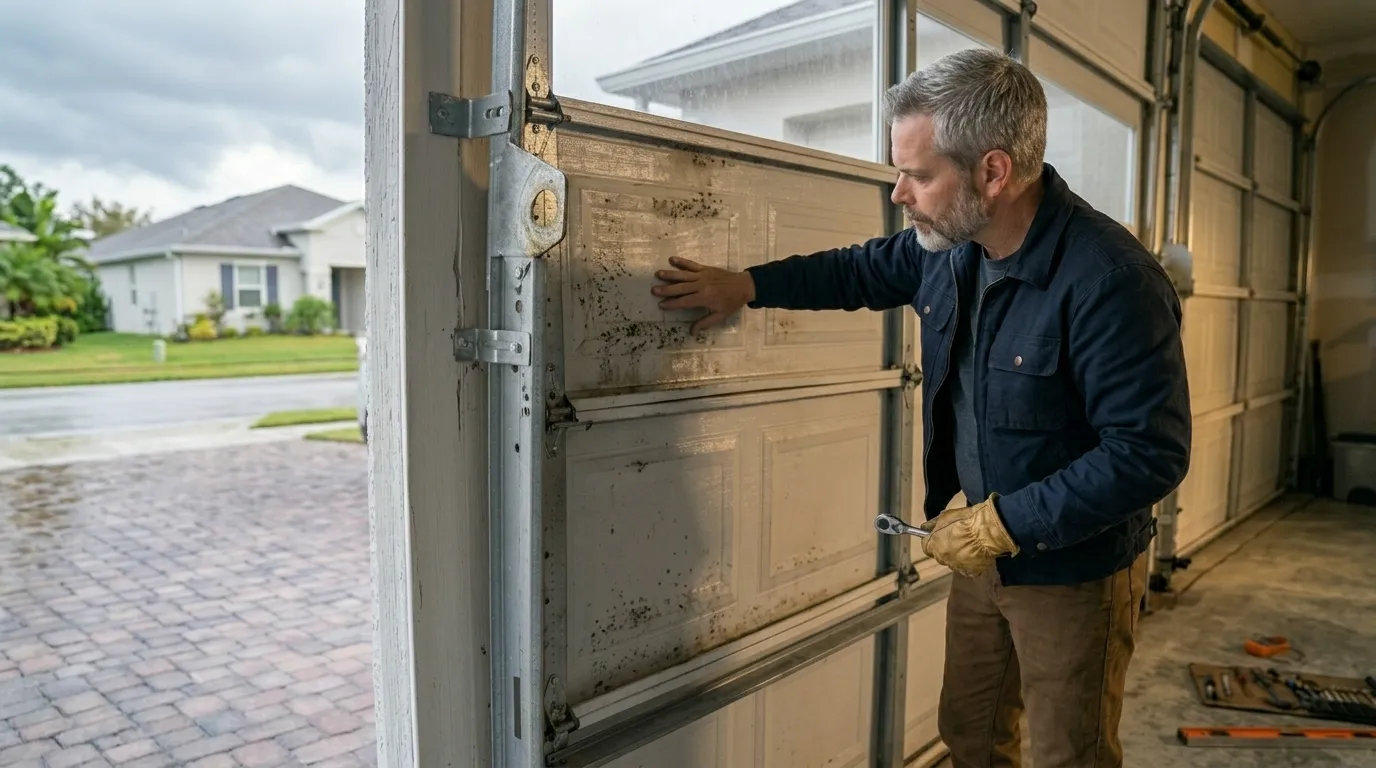
The trouble spot in houses from this build era is usually the track alignment, not the spring itself. Doors installed through the 1980s often used lighter-gauge track that's held up fine for decades but shifts slightly as the slab settles, and in this mild climate there's no freeze-thaw cycle to blame, so when a door starts binding it's almost always a hardware or alignment problem, not weather damage. We see a fair number of calls where a homeowner replaces a spring themselves, the door runs fine for a few weeks, and then the real issue - a bent track or a loose roller bracket - shows up because the spring was masking it. Income levels here run well above the wider service area's median, and that shows up in a preference for two-car doors with heavier insulated panels, which puts more strain on original hardware that was speced for a lighter door. If your opener is original to a house built around 1983, the gears inside it are plastic by design and past their expected life regardless of how the door looks from the driveway.
What the Fix Involves
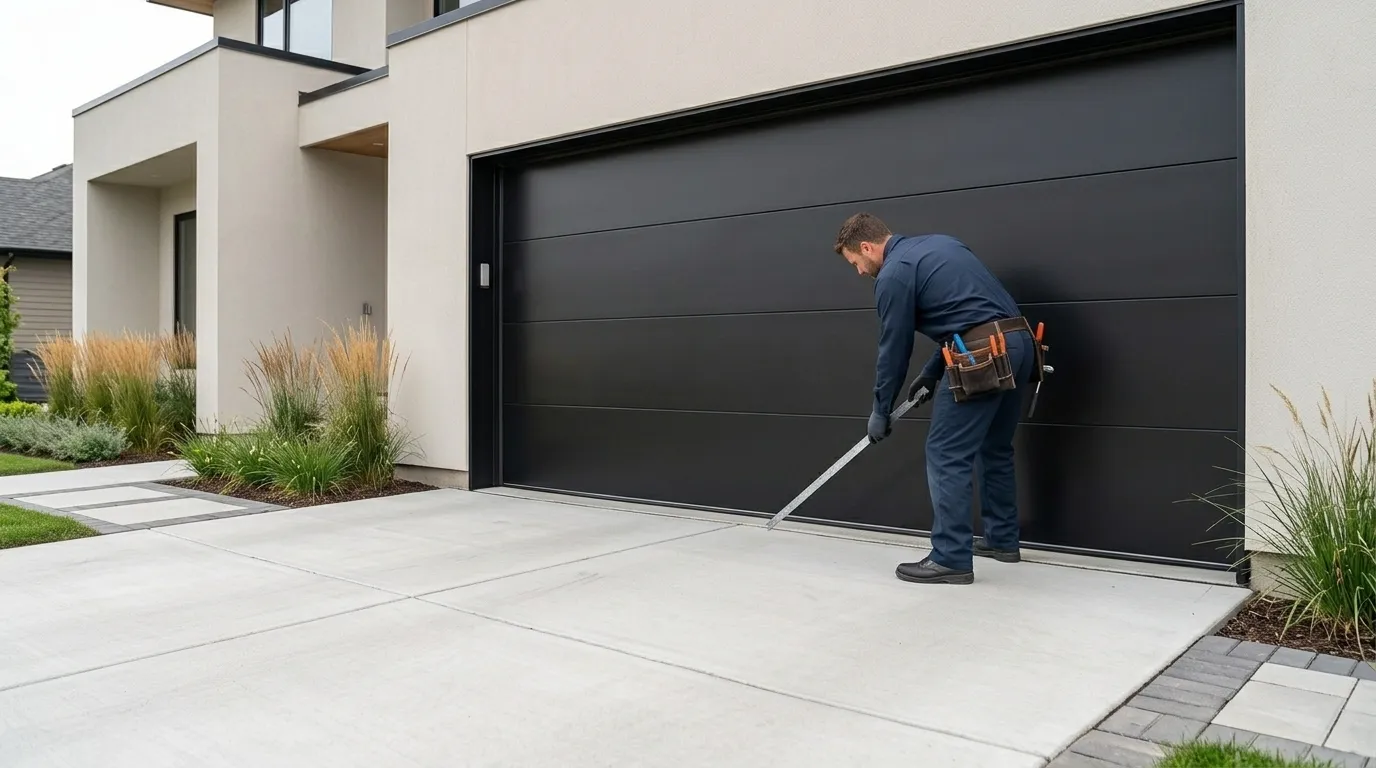
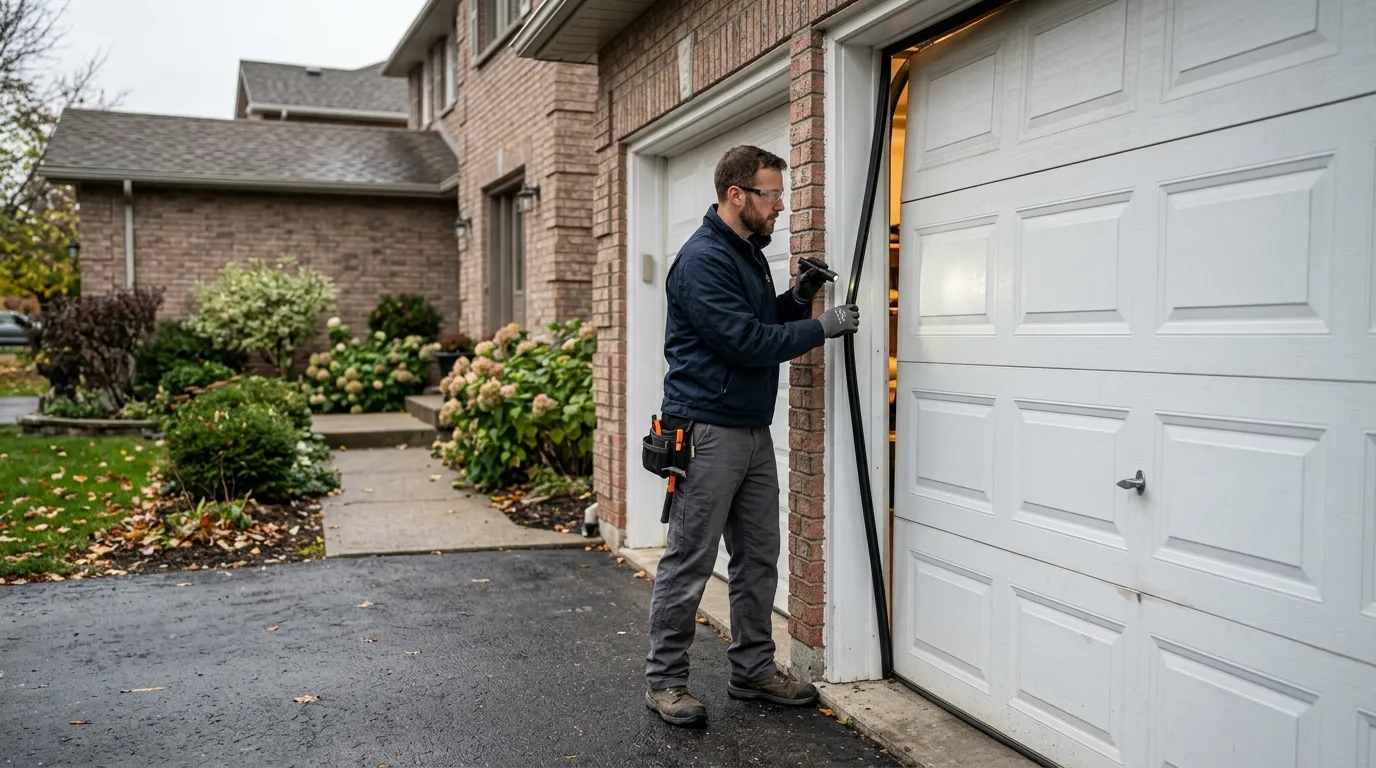
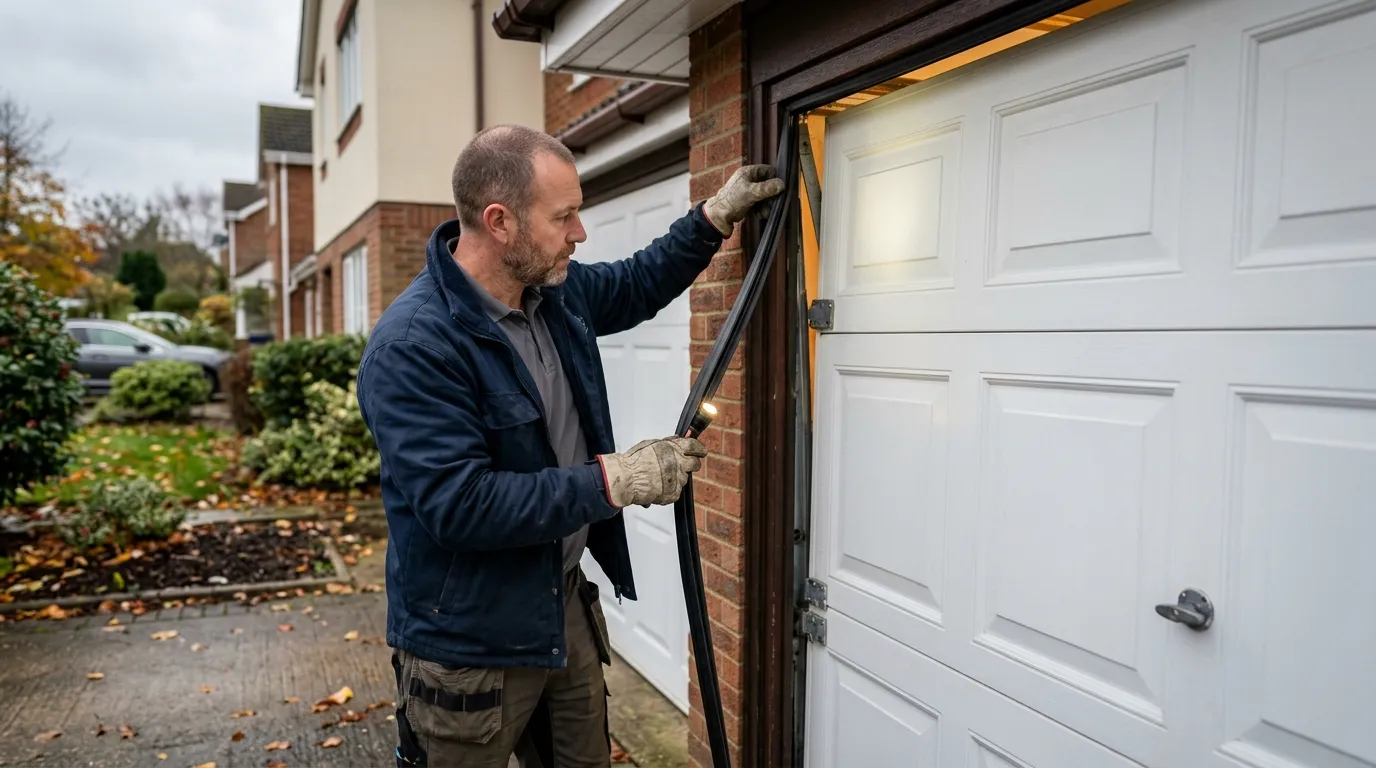
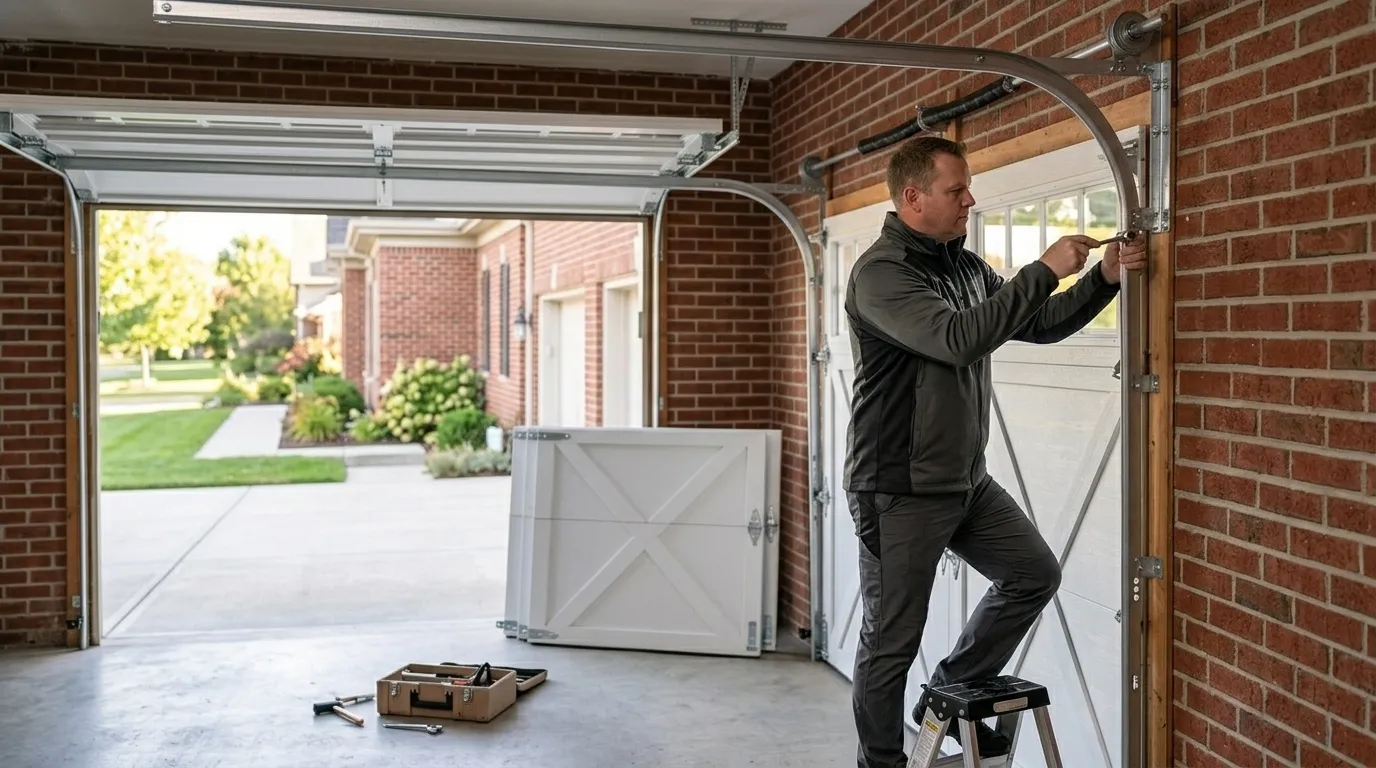
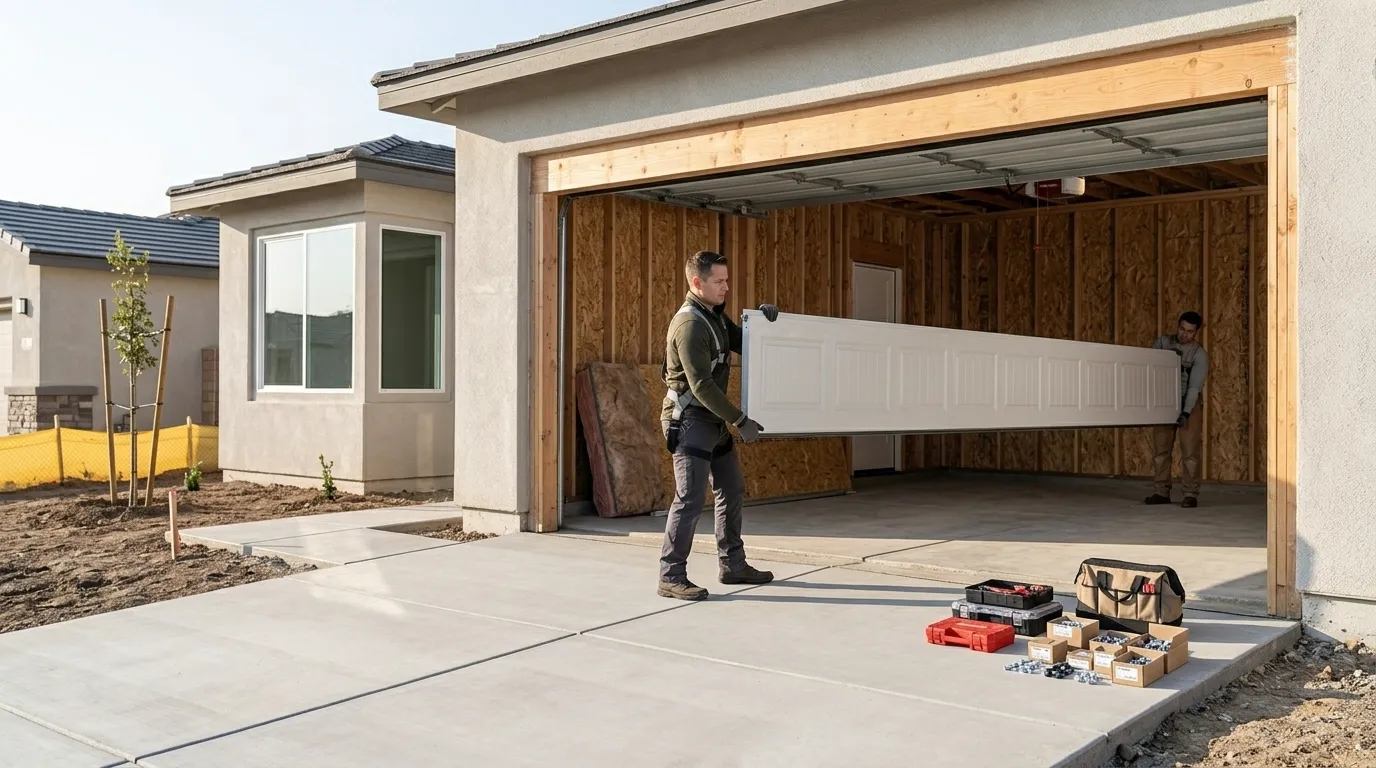
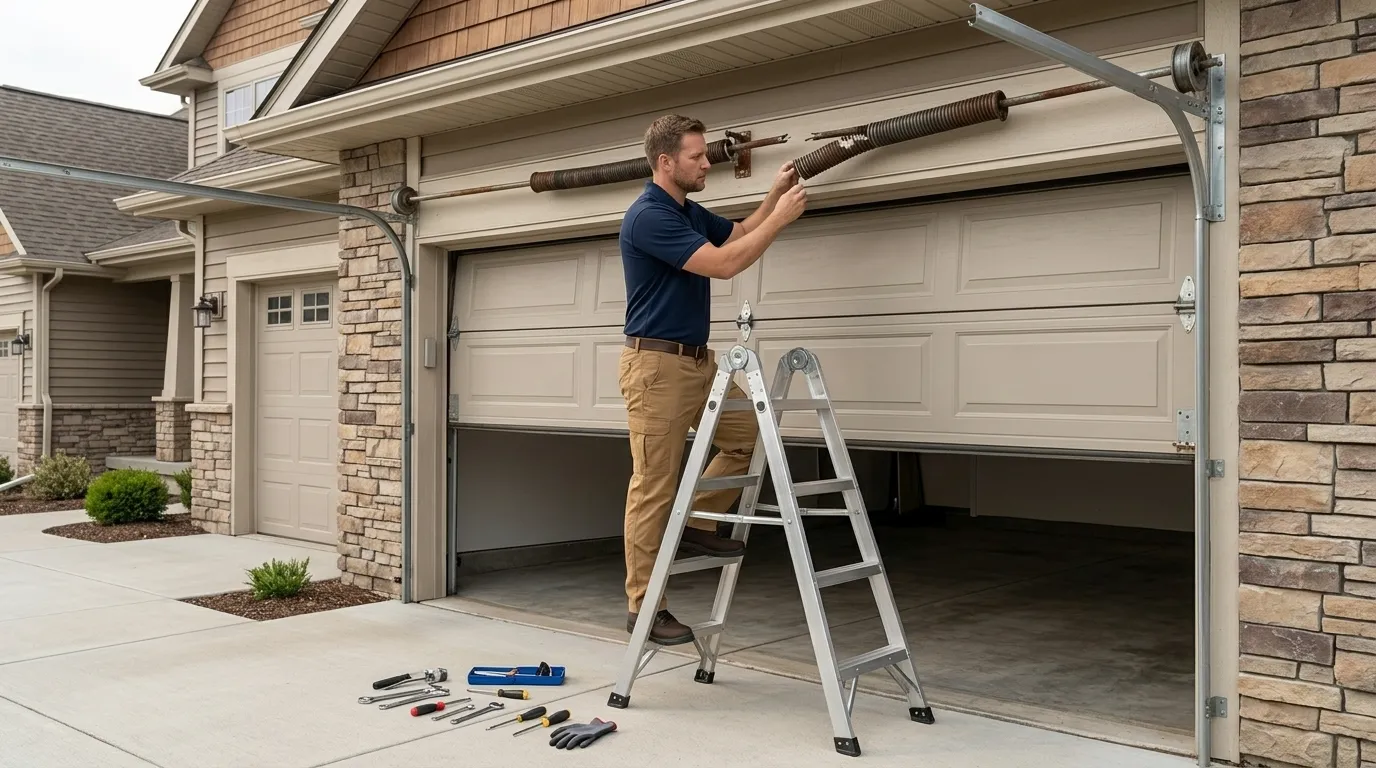
For a house this age, the fix usually starts with pulling the door off its tracks enough to check whether the track itself is true, since a spring replacement on a bent track just fails again in a year. If the track's fine, it's a straightforward spring swap - torsion springs sized to the door weight, tensioned by hand, tested through a full open-close cycle before we call it done. If the opener is the original 1980s-era chain drive, we'll tell you straight whether it's worth repairing the gear or better to replace the unit outright; parts for units that old aren't always in stock and waiting on a special order isn't worth it for a fifteen-year-old motor. Cable and roller replacement is usually quick, done in the same visit as a spring job since we're already in there. We don't repaint or refinish panels - if the door's cosmetically shot but mechanically sound, that's a conversation about replacement, not a repair line item.