Opener Installation for Laurel's 1980s Garage Doors
Laurel homes built around 1983 often still run original chain-drive openers with no photo-eye safety sensors. We install code-correct openers matched to that era of door.
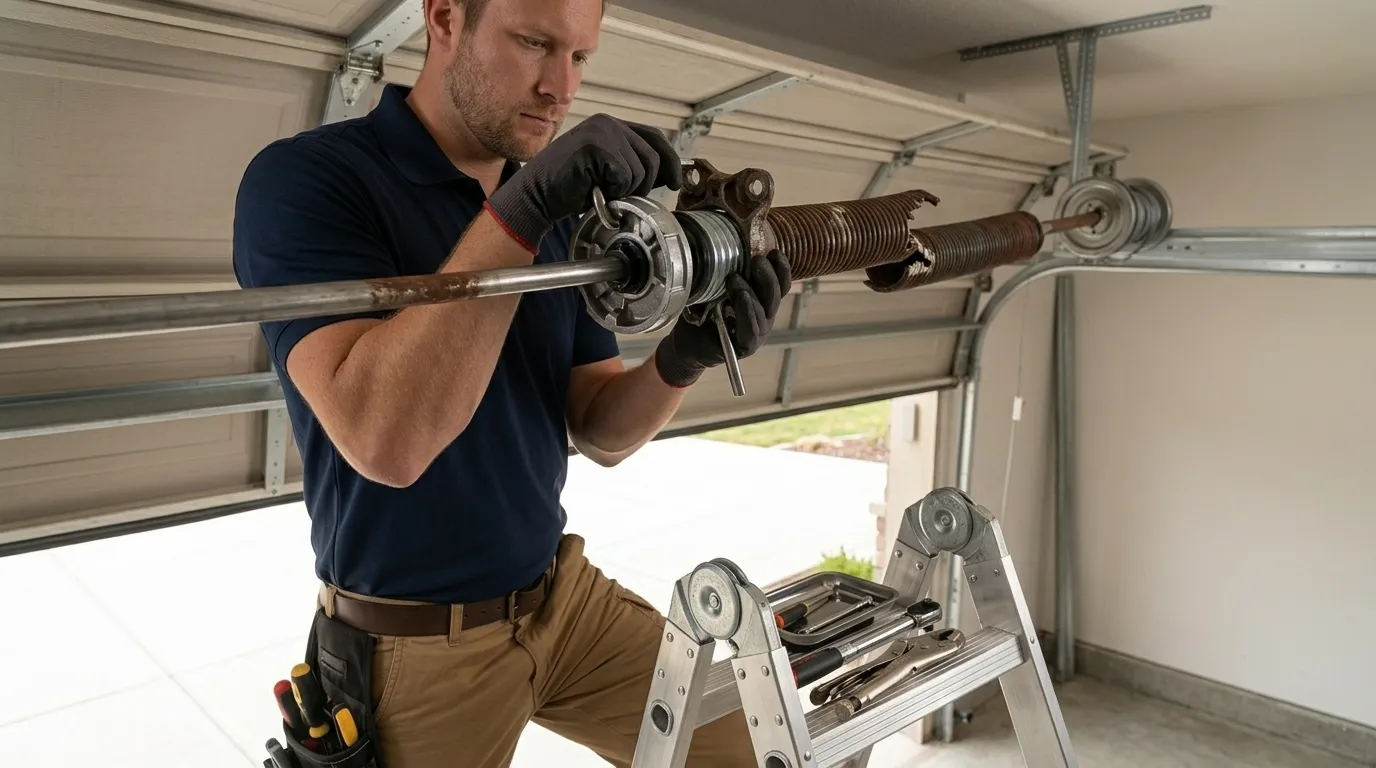
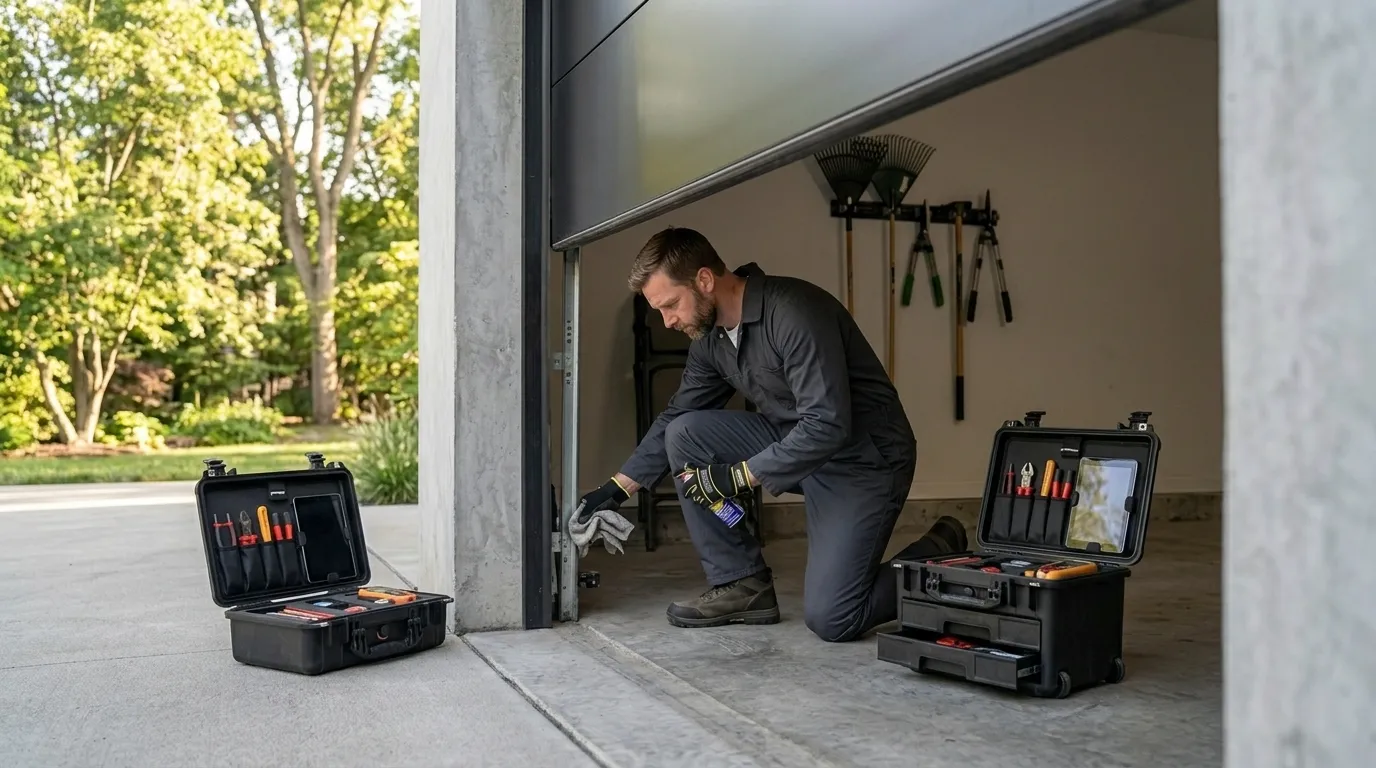
Laurel's houses cluster around a 1983 build year, which puts most garages a decade past the service area's broader 1960s-70s stock and just on the edge of the federal photo-eye safety law that took effect in 1993. That timing matters for what we bring. A house built in 1983 almost never has the through-the-beam safety sensors mandated afterward, and the opener bolted to the header is often the original chain-drive unit or a first replacement from the 90s. We load belt-drive and chain-drive openers in both 1/2 HP and 3/4 HP, plus the wall control, safety sensor pair, and the wiring harness that a pre-1993 garage was never built with. We also carry the bracket hardware to mount a modern opener rail to an older wood header, since ceiling framing from that era doesn't always match today's standard bracket spacing.
What we don't load standard is a smart-hub opener with battery backup already wired in - those get quoted and ordered ahead of the job because they're not a stock item on every truck. If you want that feature, tell us when you book so we bring the right unit the first trip instead of a second one.
Where This Job Goes Sideways
The failure point in a Laurel garage isn't usually the opener motor - it's what the motor is bolted to. A 1983-era header was sized for the door and opener weight standard at the time, which is lighter than today's insulated steel doors. When a homeowner upgraded the door at some point but kept the original opener, the new door's weight can be more than that old unit was ever built to lift, and the opener strains or the header flexes under the rail bracket.
The other place it goes sideways is the electrical. Houses from this build year often ran a single outlet in the garage with no dedicated circuit for an opener, and later owners spliced in a plug rather than running proper wiring. We check the circuit before we mount anything - an opener on a shared or undersized circuit will nuisance-trip or burn out early, and that's not a warranty issue, it's a wiring issue we'll flag before we install.
What the Fix Involves
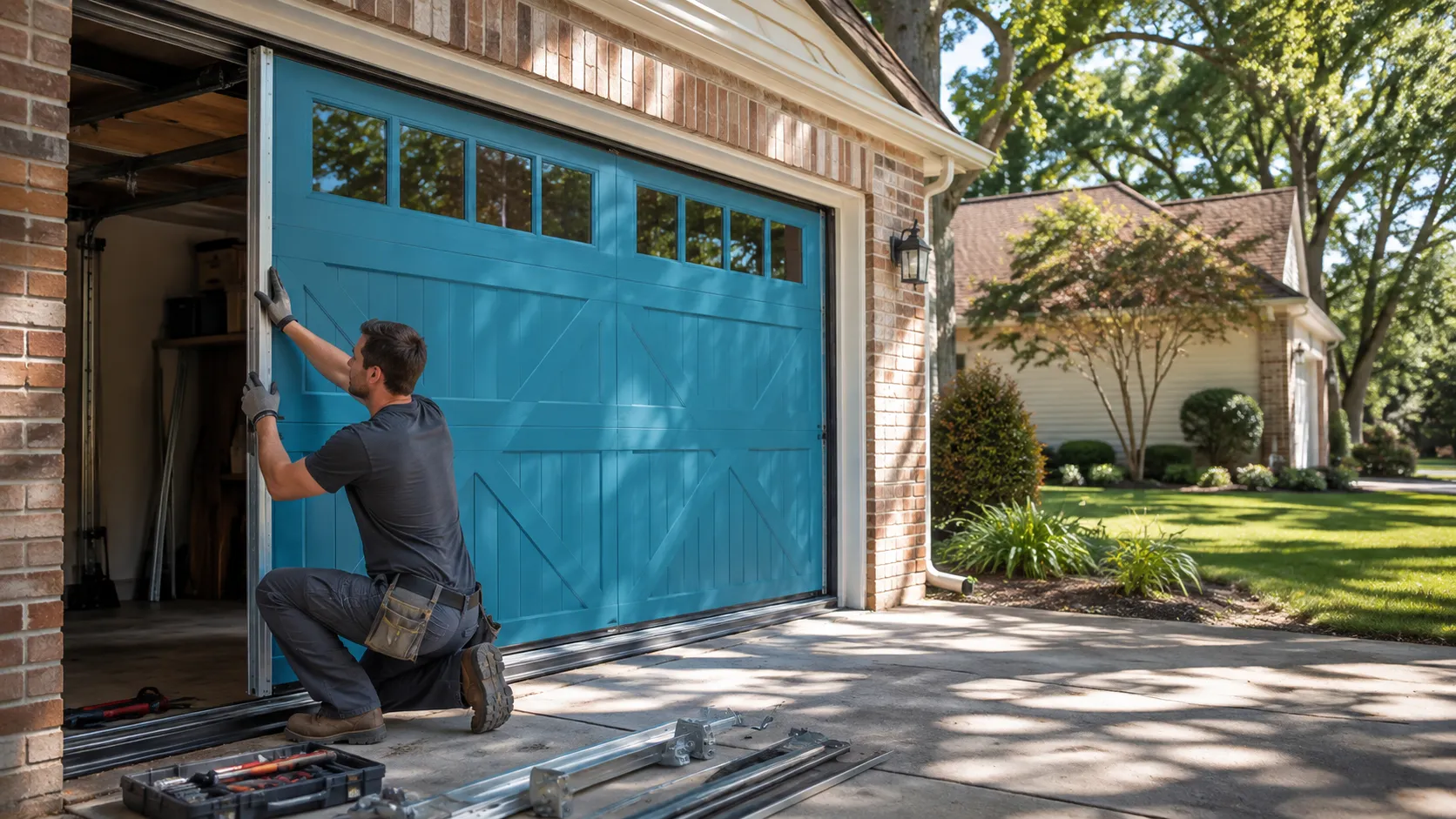
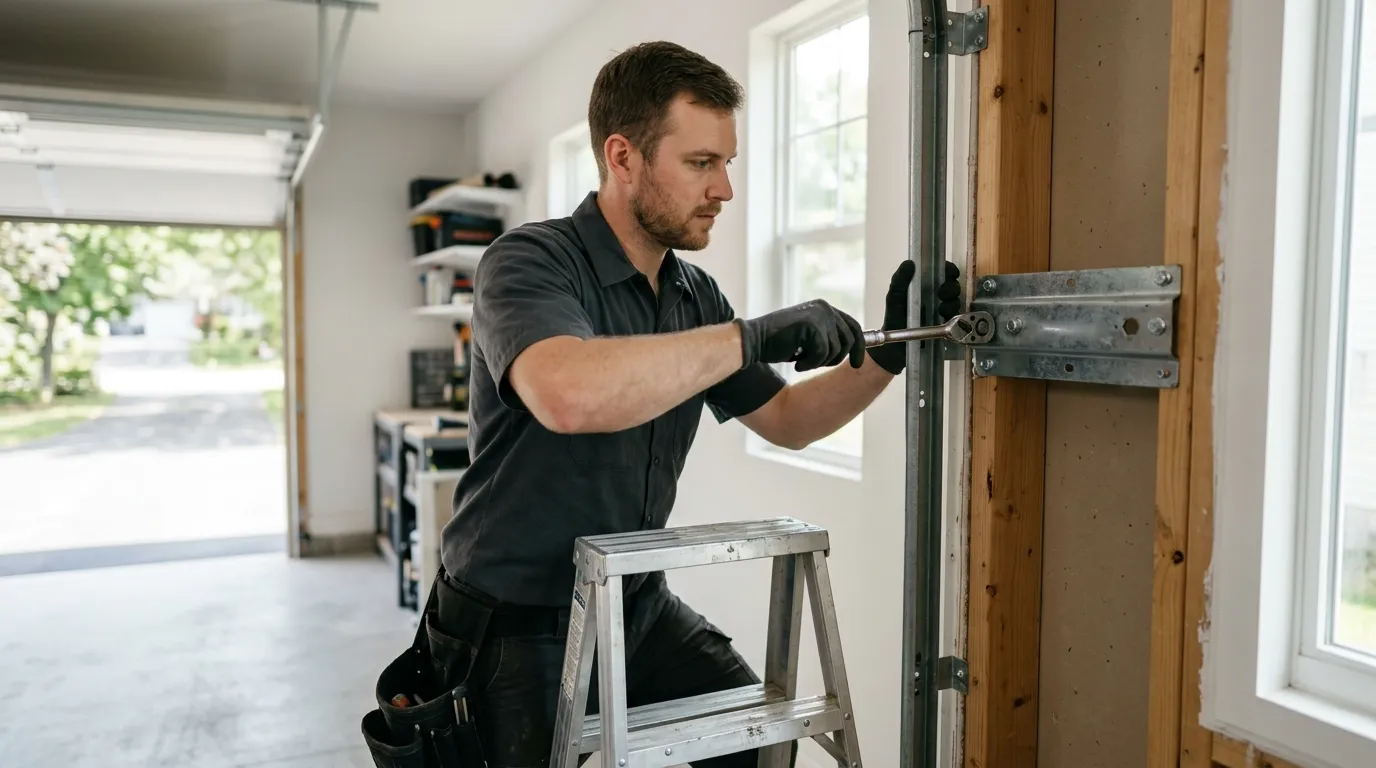
For most Laurel jobs this is a full swap: old opener off the rail, header inspected and reinforced if it's the original 1983 lumber, new opener mounted, and - this is the part that isn't optional - photo-eye safety sensors installed and aimed correctly across the door track. If the house has never had them, this is the single biggest safety upgrade we make on an opener call here, more than horsepower or drive type.
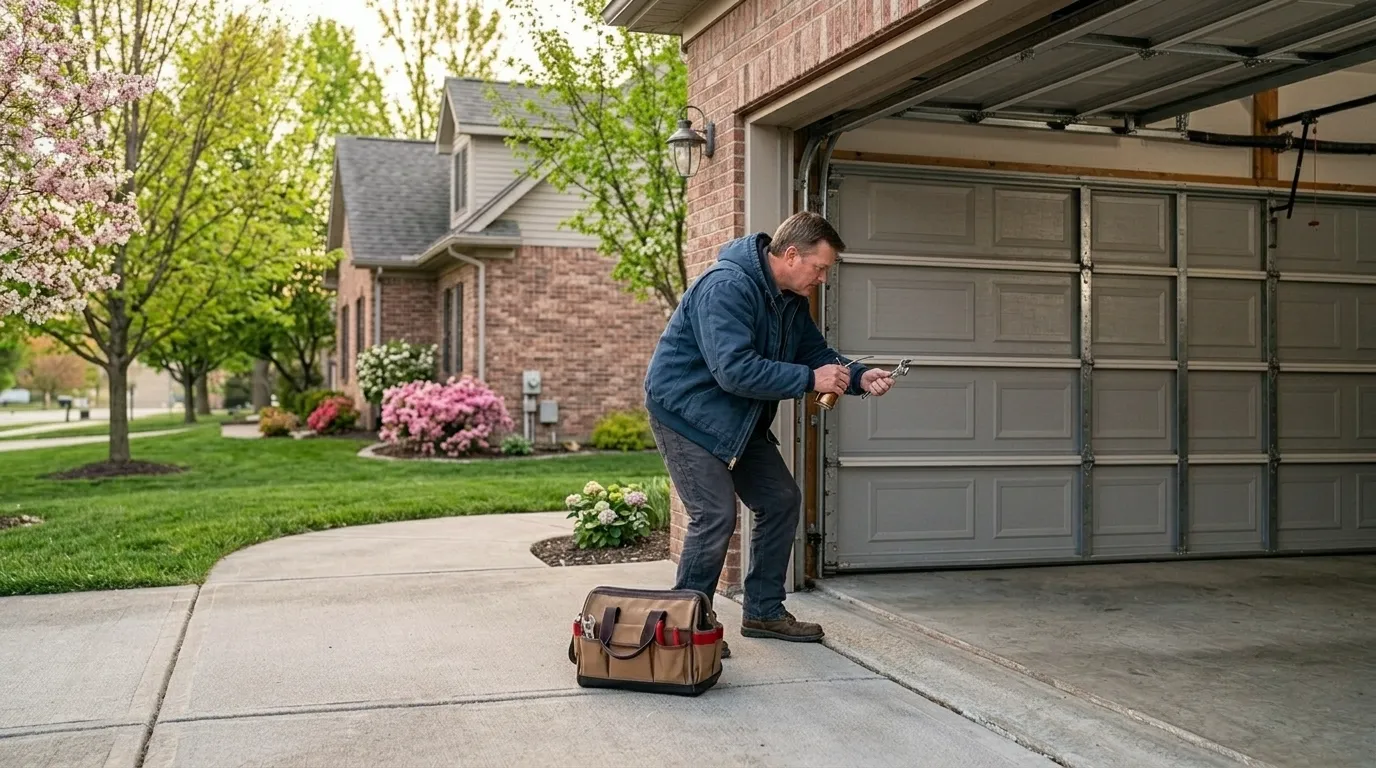
We also test the wall station, set travel limits and force settings for the actual door on the track (not factory defaults), and confirm the manual release cord reaches and disengages cleanly. Mild coastal air in this part of Florida is easier on hardware than freeze-thaw climates, so corrosion on brackets and rail is rarely the issue here - it's almost always age of the electronics and mismatch between door weight and motor.
The DIY Question
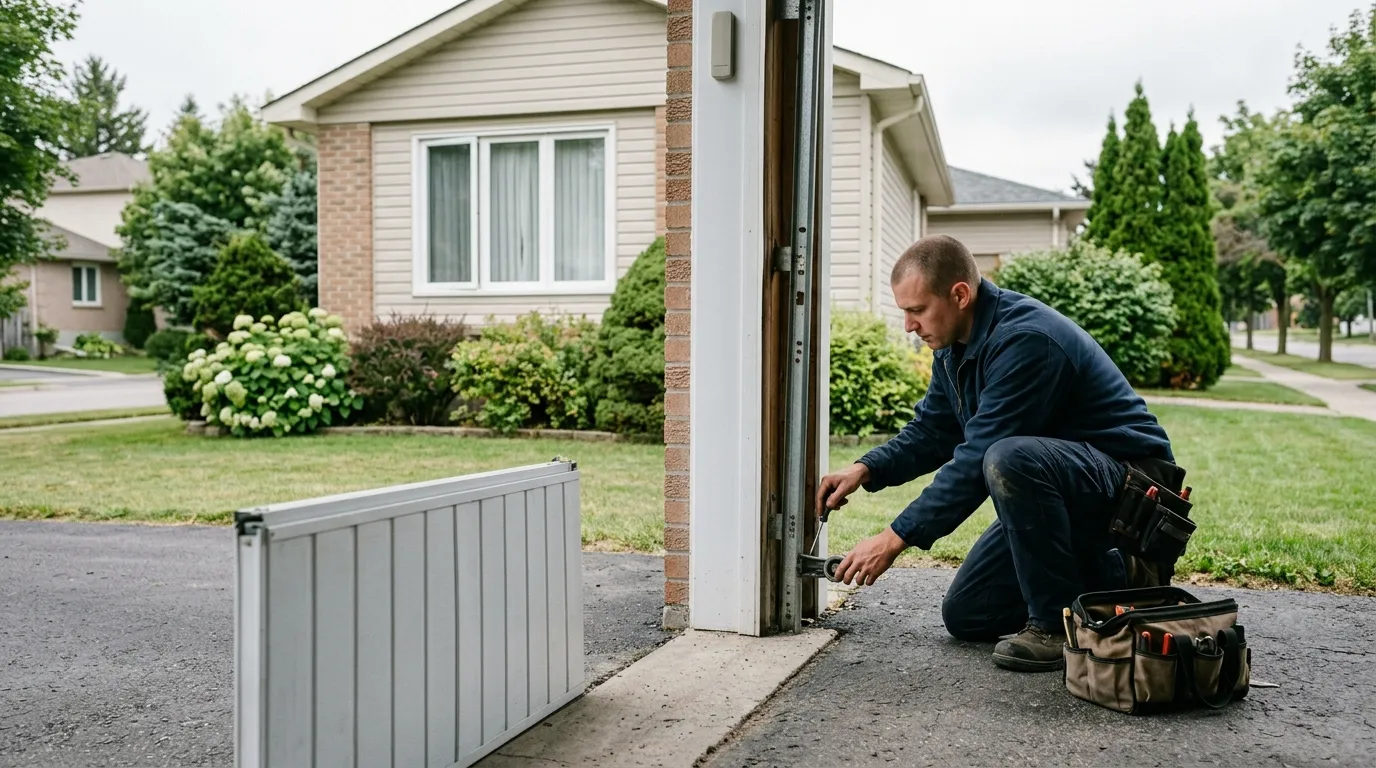
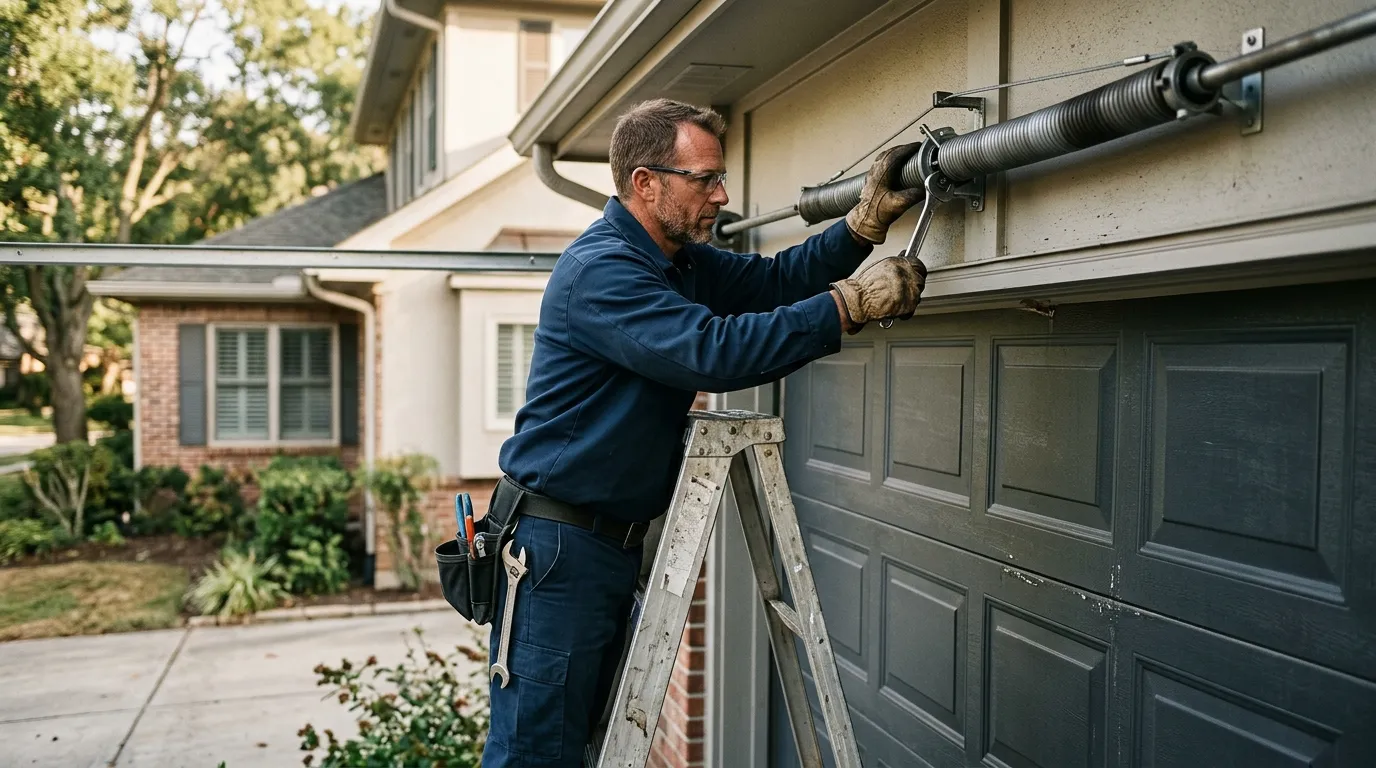
A straight opener swap on a door that's already balanced and running smooth is within reach for a homeowner comfortable on a ladder with basic tools. Where we'd tell you to stop and call is exactly what shows up often in this town: a header that needs reinforcing, wiring that isn't a simple outlet swap, or safety sensor alignment on a track that's slightly out of square from age. Get the sensor aim wrong and the door will reverse unpredictably or not at all - that's not a place to guess.
One honest limit on our end: we come from Venice, about 4 miles out, so we're not a same-day emergency stop for every call. If your opener dies mid-morning and you need the car out by evening, say so when you book and we'll tell you straight whether that's realistic for the day.
How it works
From “it’s stuck” to “it’s fixed”
01
Tell us what’s wrong
Describe the symptom - won’t open, loud bang, opener runs but the door won’t move.
02
On-site diagnosis
A technician tests the door under power and by hand and finds what actually failed.
03
Clear, up-front plan
You get the fix that’s needed and what drives the cost - before any work starts.
04
Repaired & tested
The repair is done, the door is set true and tested, and the work area left clean.
Serving Venice, FL - tell us what your door’s doing and we’ll take it from there.
Do I need new safety sensors if my Laurel house was built in 1983?
Almost certainly yes. The federal rule requiring photo-eye reversal sensors on garage door openers didn't take effect until 1993, so a 1983-built house very likely never had them installed unless a prior owner replaced the opener after that date. We install and aim a sensor pair on every opener job where they're missing.
Can you match an opener to my original 1980s garage door?
Yes, as long as we know the door's weight and track type, which we check on site. Doors from this era are generally lighter than current insulated steel doors, so we size the opener's horsepower to the actual door rather than defaulting to the heaviest unit on the truck.
How far out is Laurel from your Venice location?
About 4 miles. We travel to Laurel for opener installs and repairs, but we don't keep a branch or truck stationed there, so same-day timing depends on the day's schedule rather than proximity.
Is my garage wiring likely a problem?
It can be. Houses from this build year sometimes have a single garage outlet with no dedicated circuit, added to later rather than run to code for an opener. We test the circuit before mounting a new unit and will tell you plainly if it needs an electrician before we can finish the install.
Ready to get your garage door sorted?
Tell us what it’s doing and where you are in Venice - we’ll take it from there.