Where This Job Goes Sideways
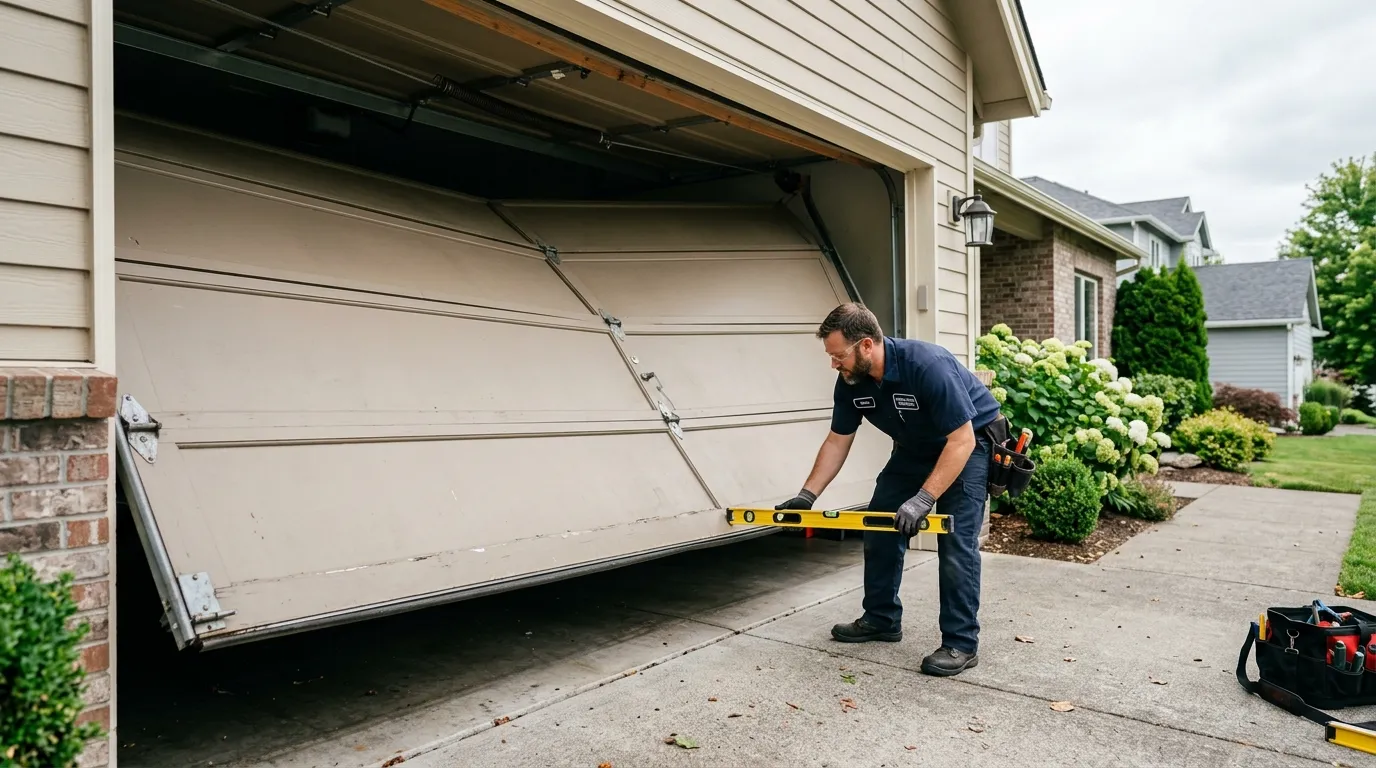
The mismatch we run into in Laurel isn't rot or rust the way it can be in the oldest pockets of the service area - houses from the early 1980s are past the worst of the original hardware but not new enough to have modern opener wiring or insulated sections as standard. The usual snag is a header that was framed for a lighter single-layer door and now has to carry a heavier insulated replacement, or a garage that was wired for a light-duty opener bracket that won't hold a current unit without reinforcement. With 37,668 owner-occupied houses across this service area and a median household income of $77,359 region-wide - Laurel itself runs higher, near $89,282 - a lot of these installs are upgrades from a builder-grade door to something heavier, and the header is the part that decides whether that upgrade is a straight swap or a carpentry job first.
What the Fix Involves
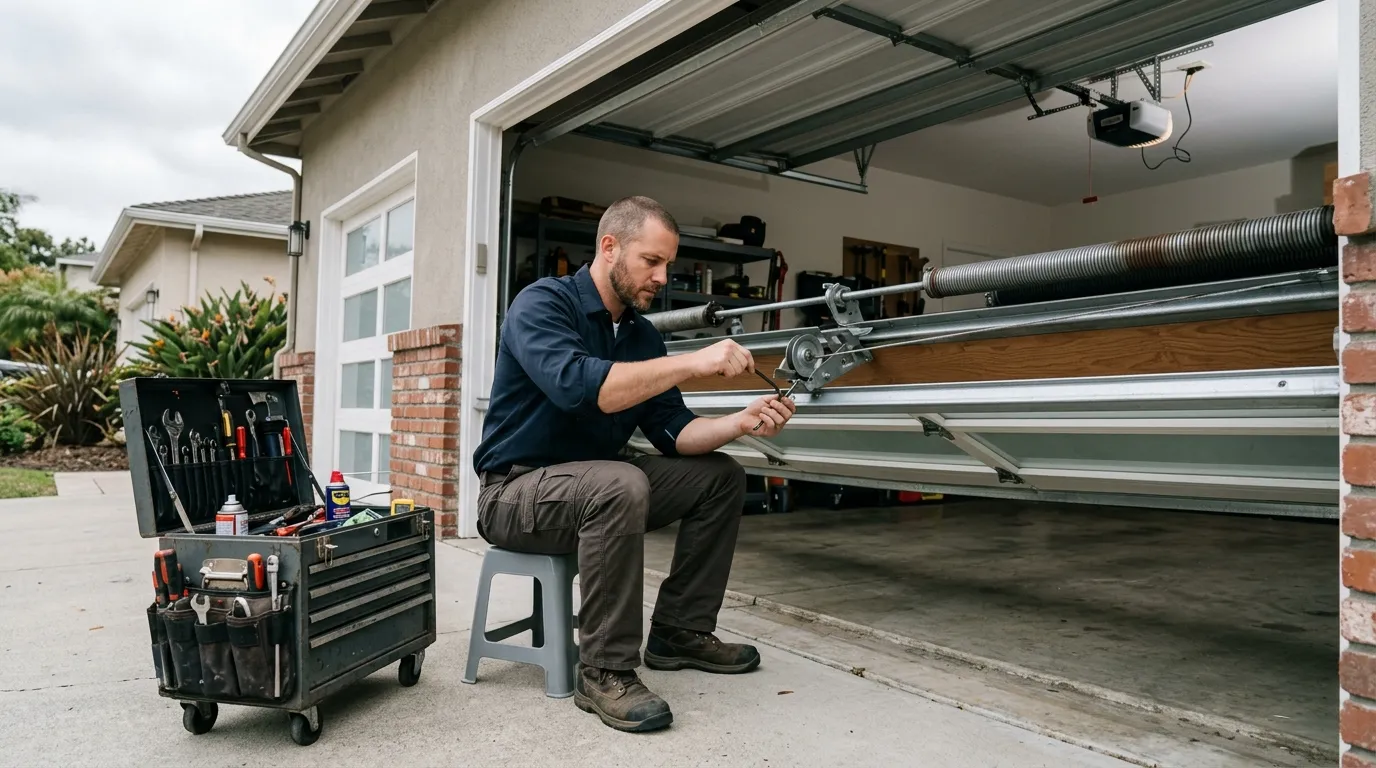
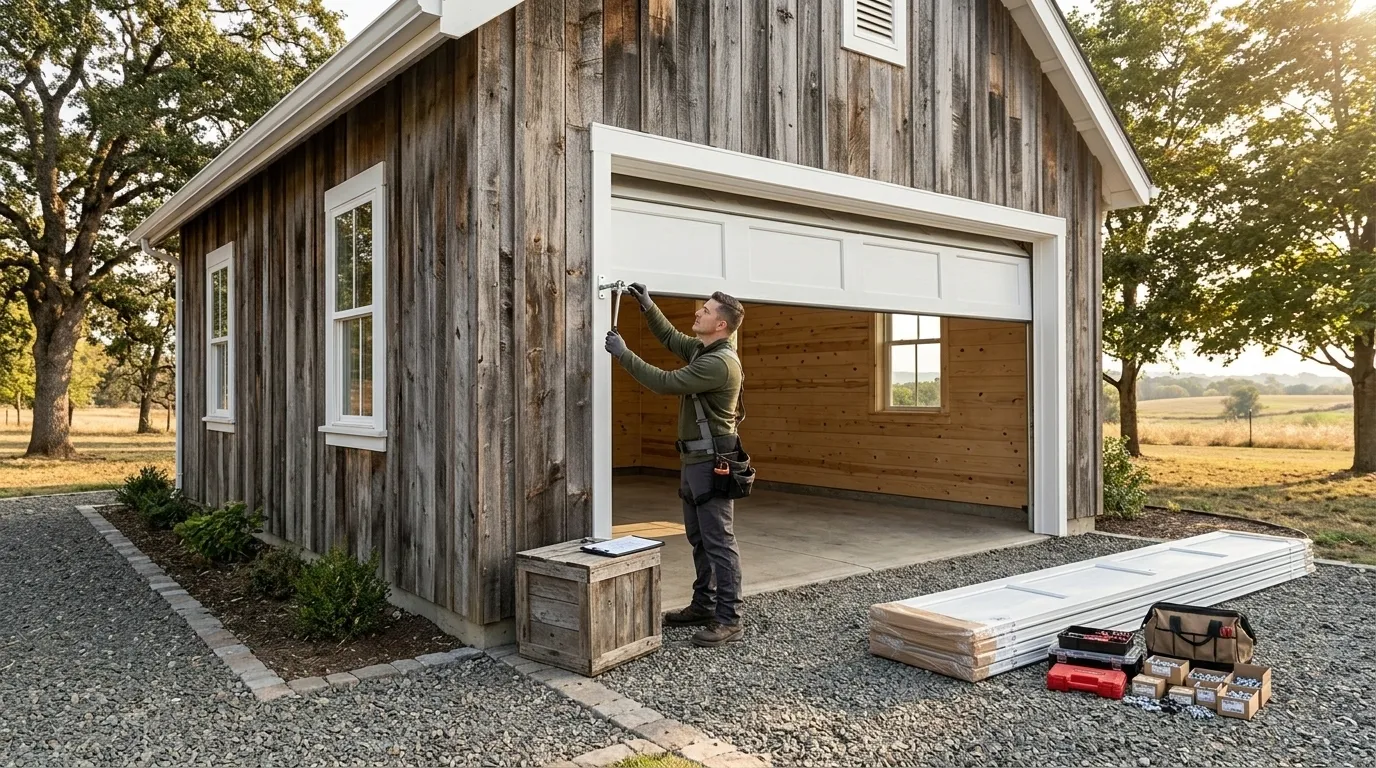
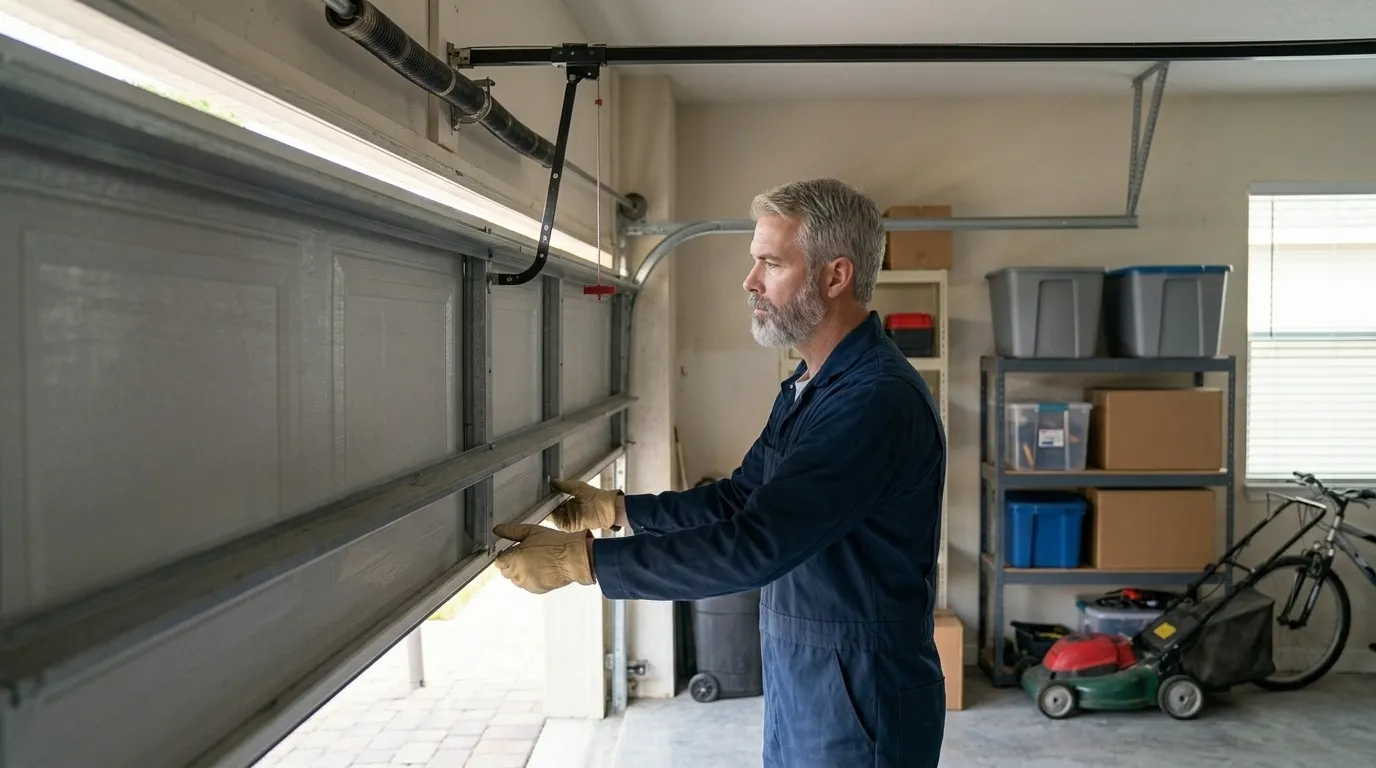
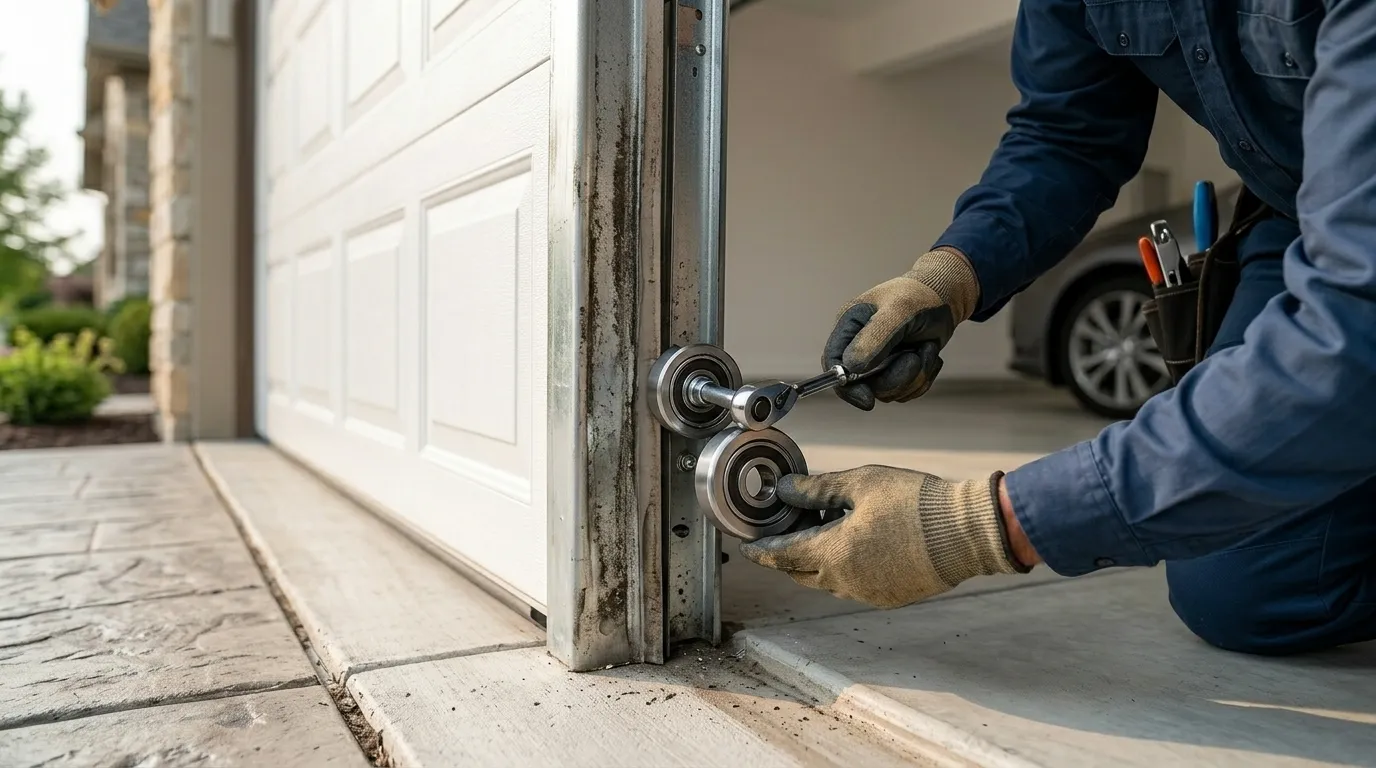
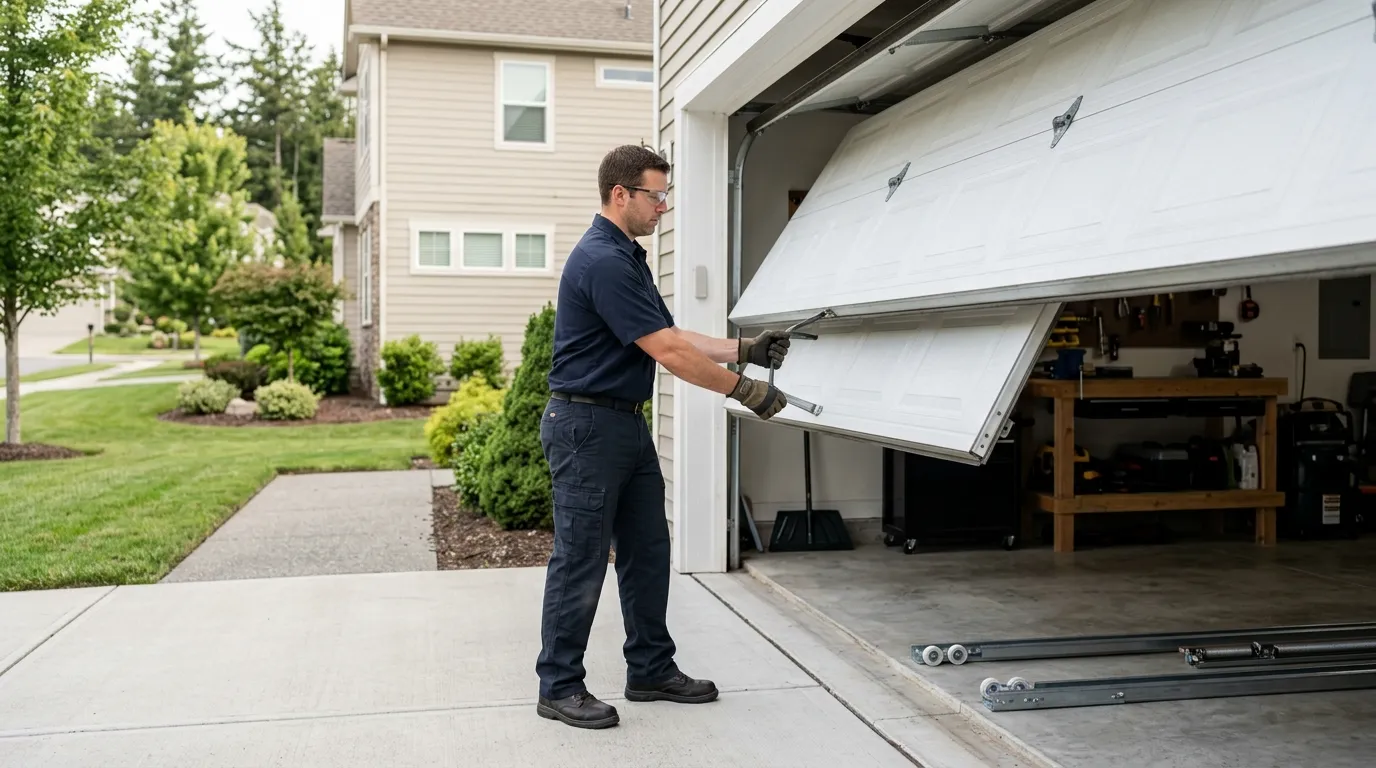
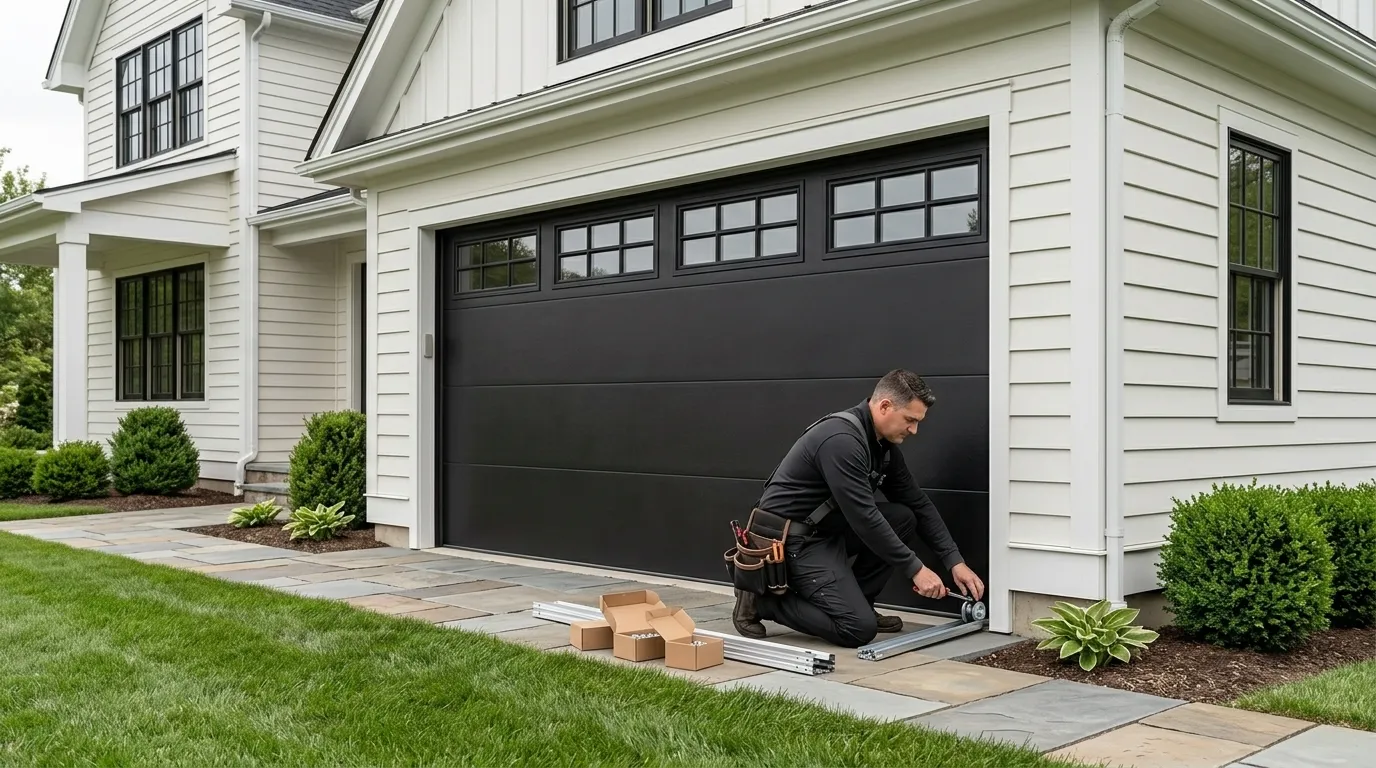
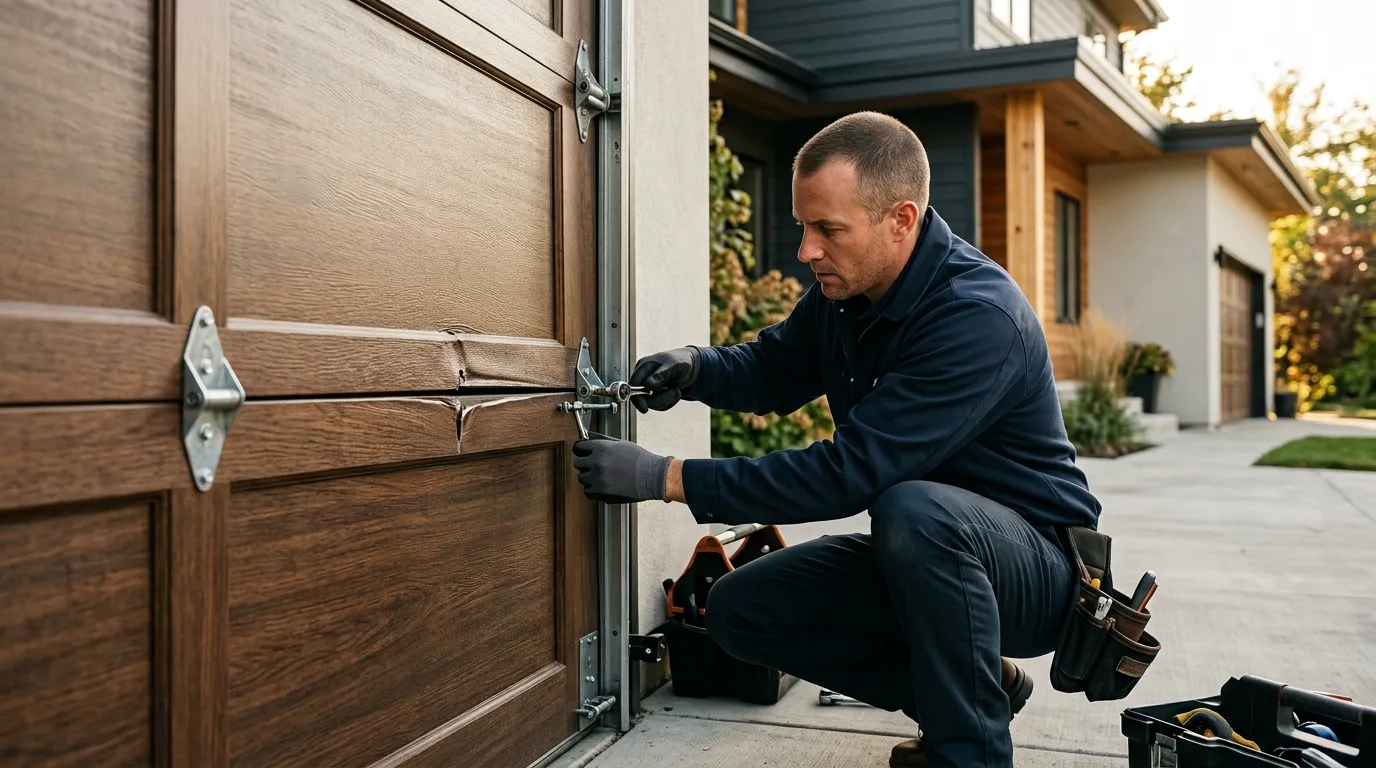
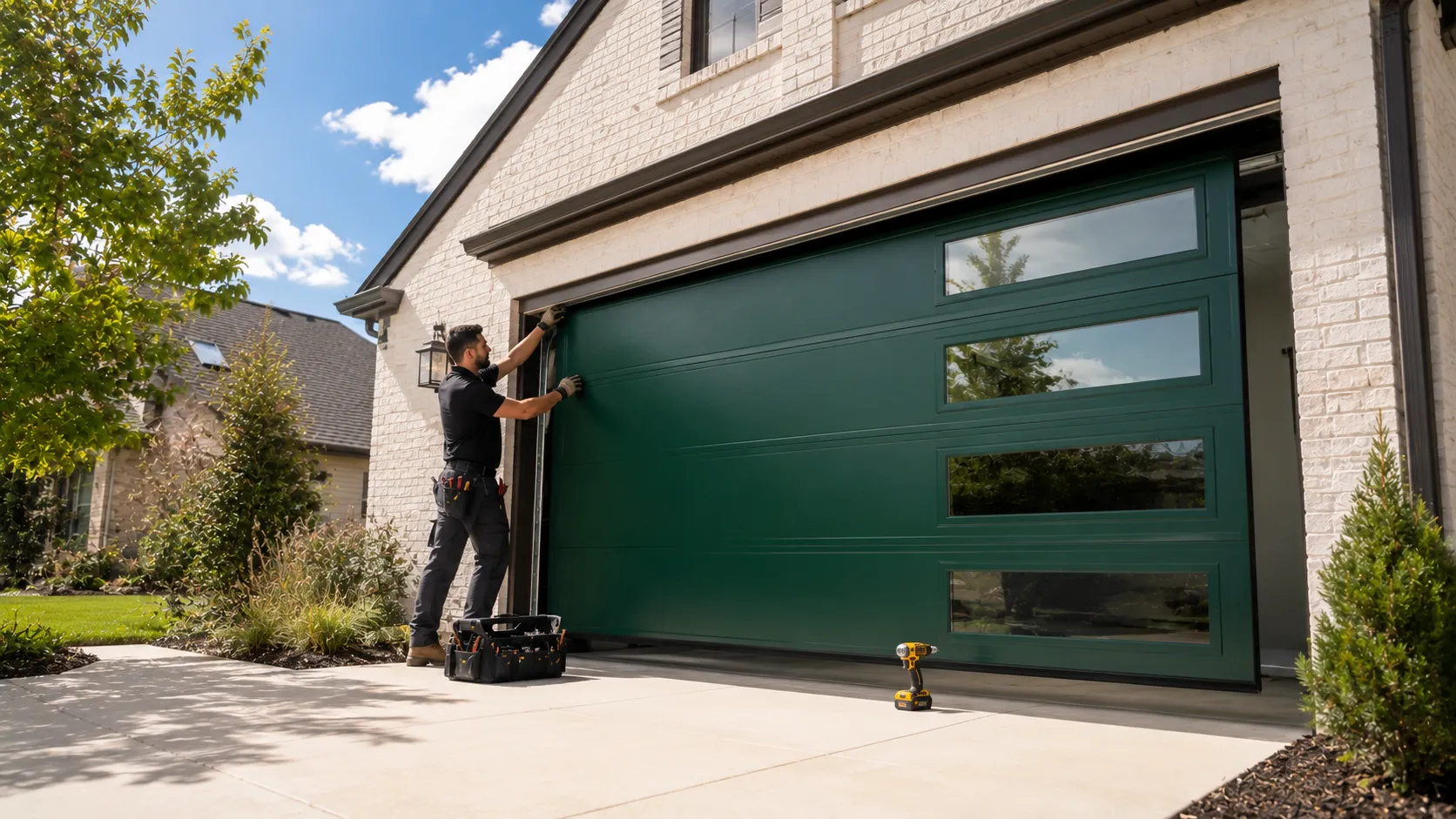
Sizing the opening and header comes first, then matching spring weight to the actual door - not the old one, the new one, since insulated sections can run 40-60 pounds heavier per section than the hollow steel doors common when Laurel was built out in the early 80s. Track gets set to the header height we measured, not a stock number. If the opener predates the door by more than a few years, we check the mounting bracket and the travel limits before we hang anything, because a header reinforced for a 1980s door doesn't automatically hold a heavier one without added blocking. Climate here is mild temperate, so we're not building in the extreme temperature swings some regions need to account for, but humidity still plays into hardware choice - galvanized fasteners and springs over anything that'll pit in a Gulf Coast summer. Nothing about this step changes because it's Laurel instead of somewhere else in the service area; what changes is the header and the spring number, and those come from the measurement, not the address.