24/7 Emergency Service Open 7 days · 7am–8pm Serving Venice, FL & nearby
(941) 491-6053
Venice, FL

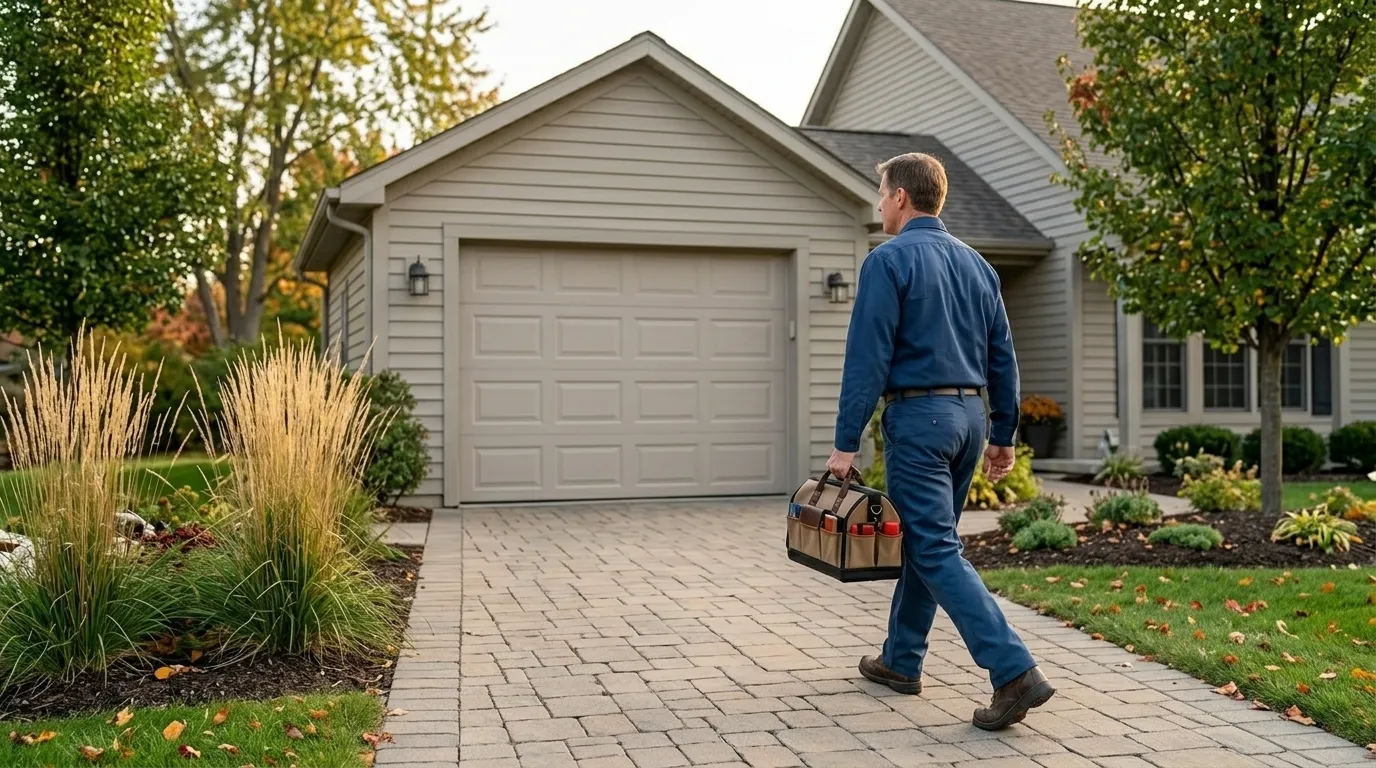
Garage Doors on Venice Homes From the Pre-Insulation Years

Venice homes mostly went up 1964-1999, before doors needed insulation. We work that exact stock across Venice, Nokomis, and Venice Gardens in the mild Gulf coast climate.

Garage Doors on Venice Homes From the Pre-Insulation Years

When to Call Someone

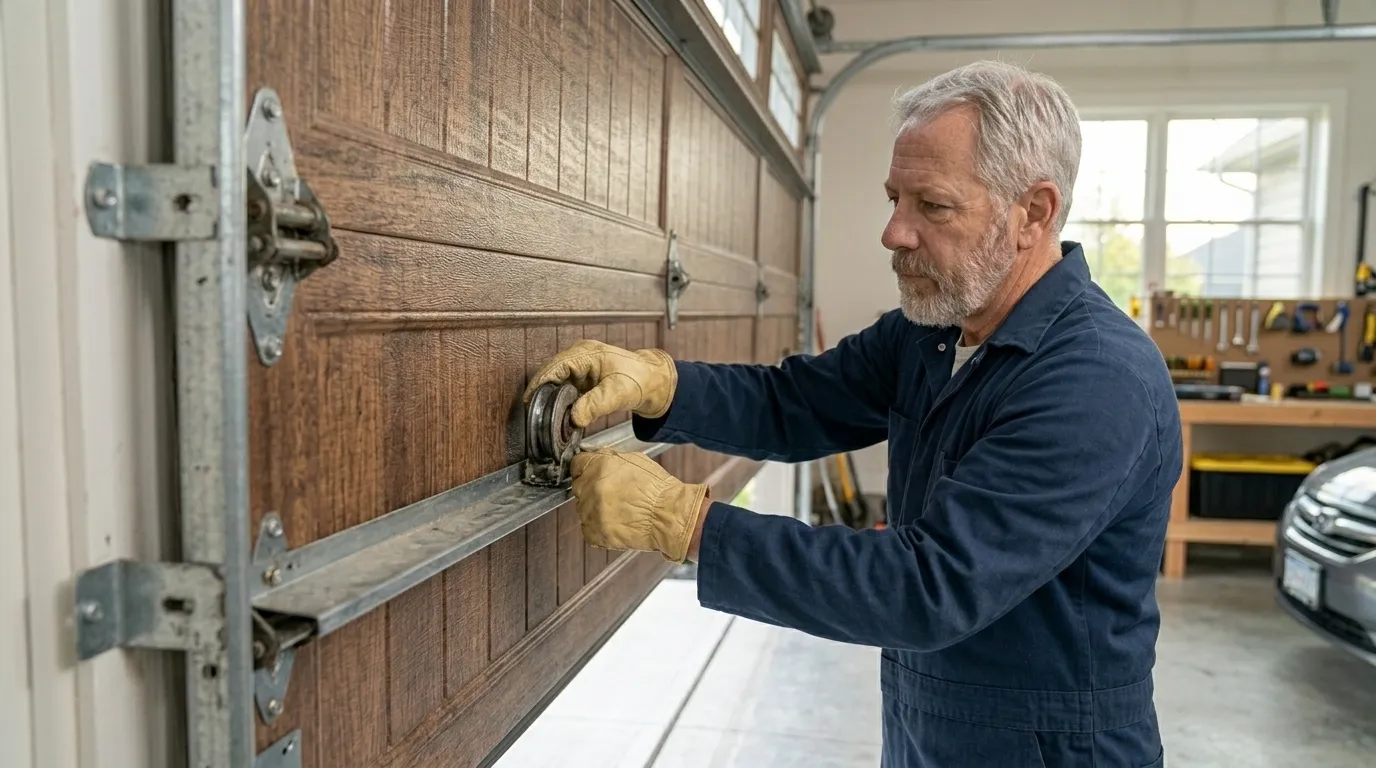
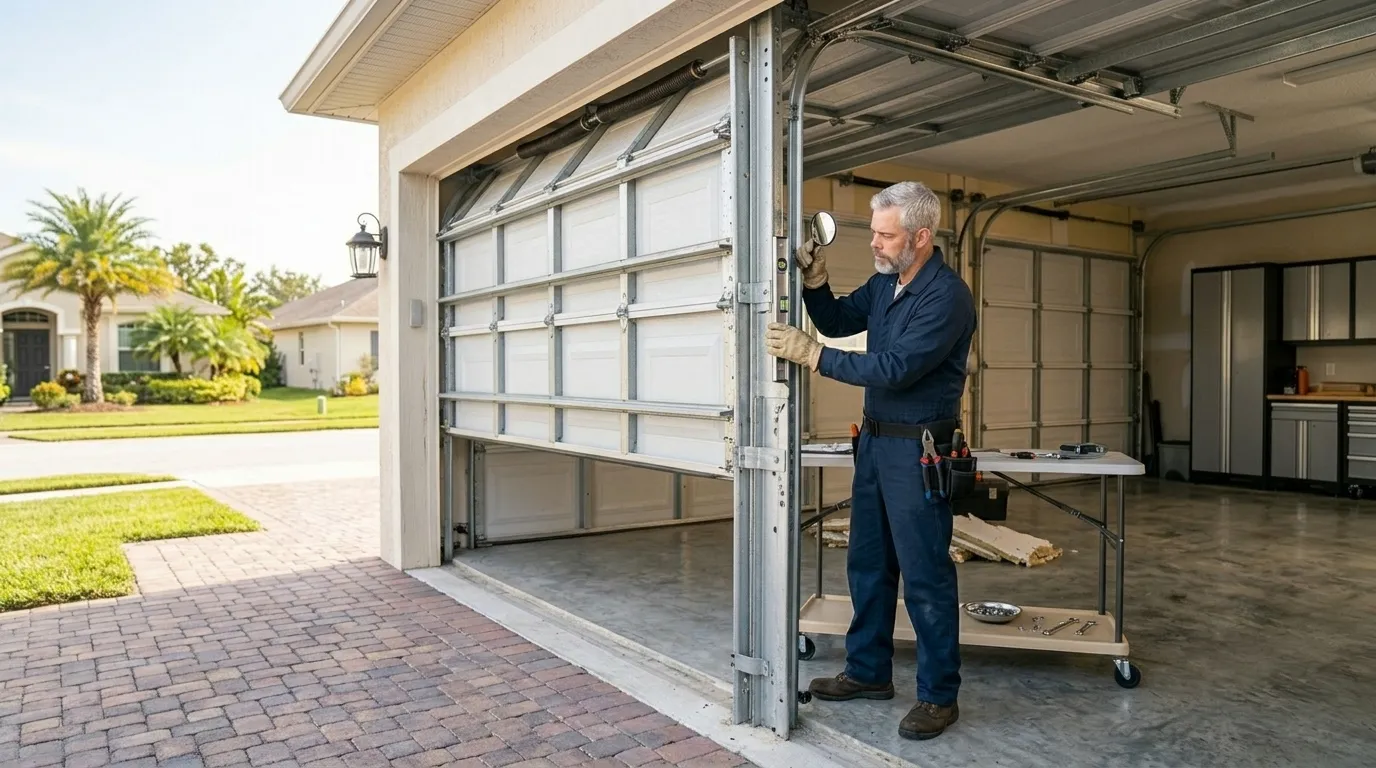
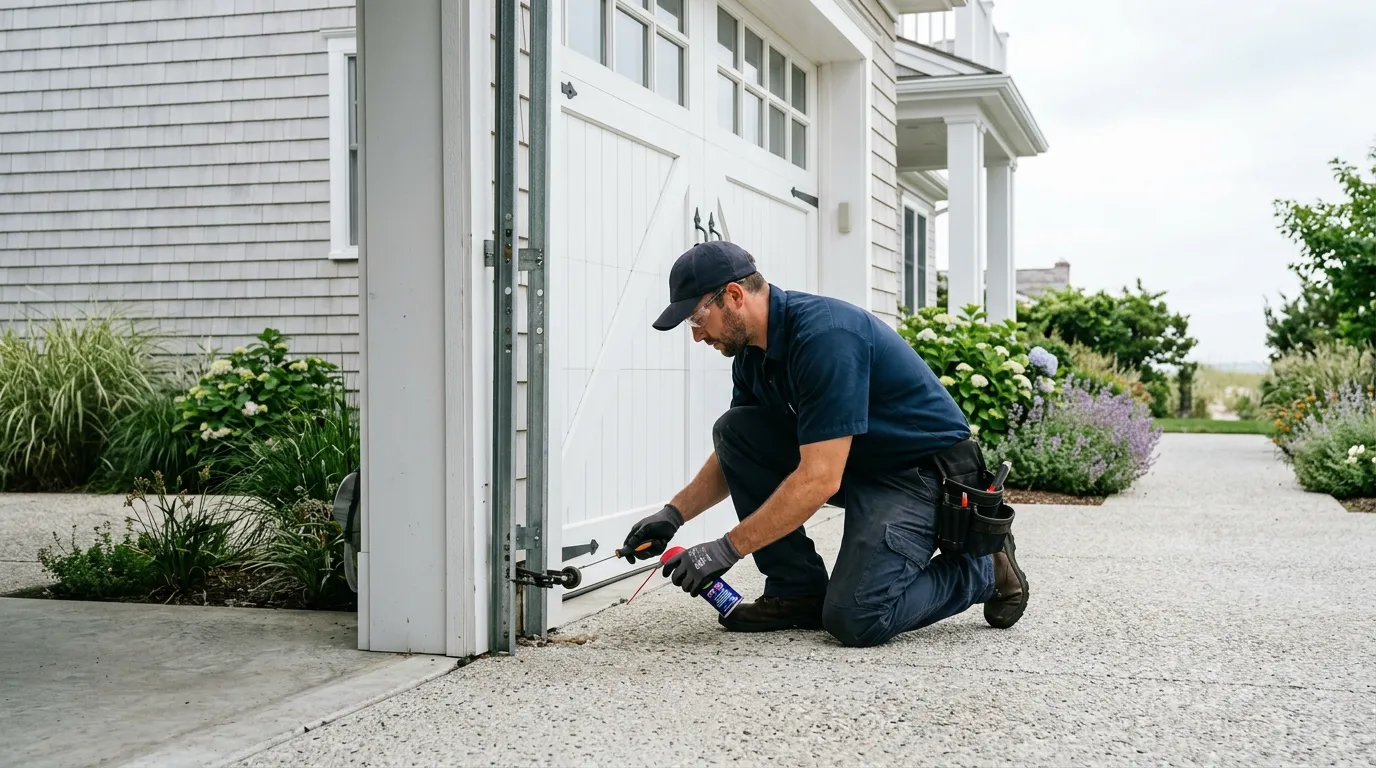
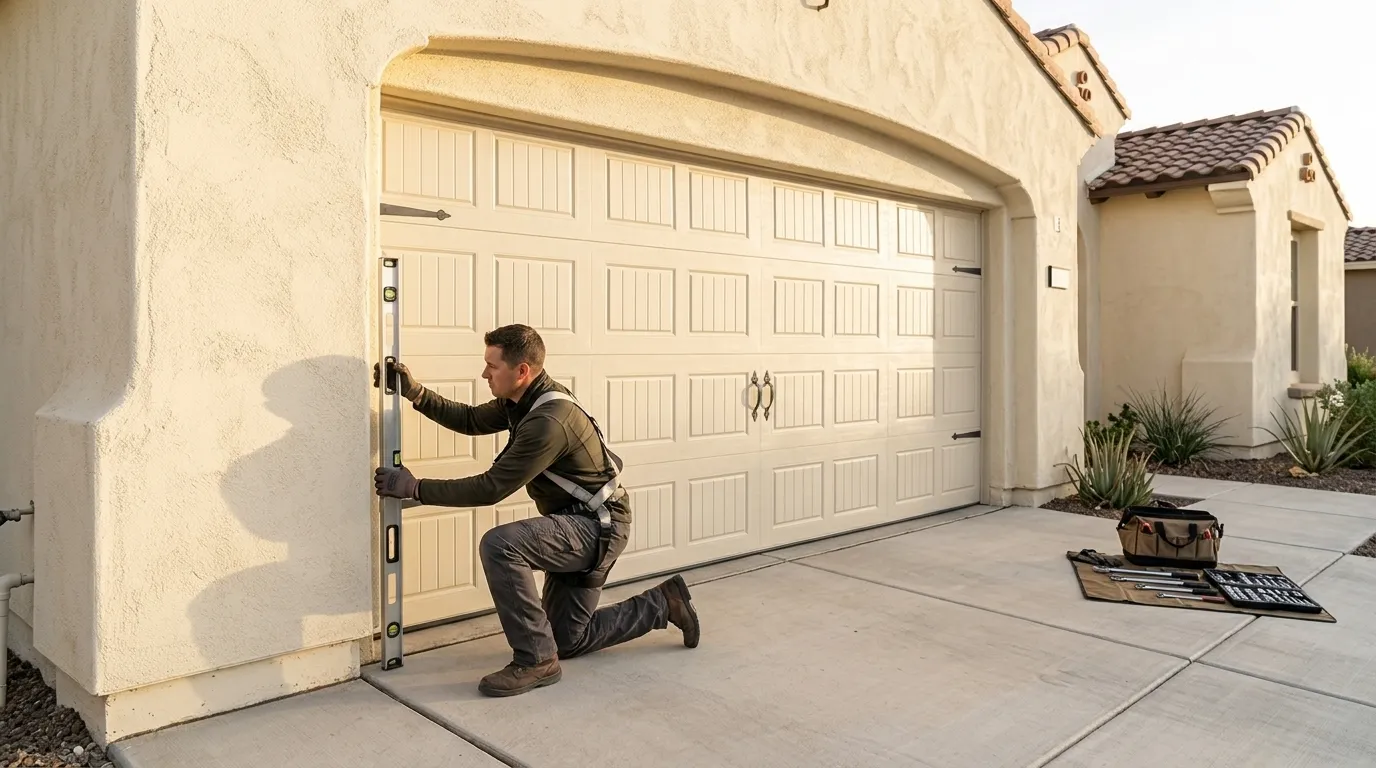
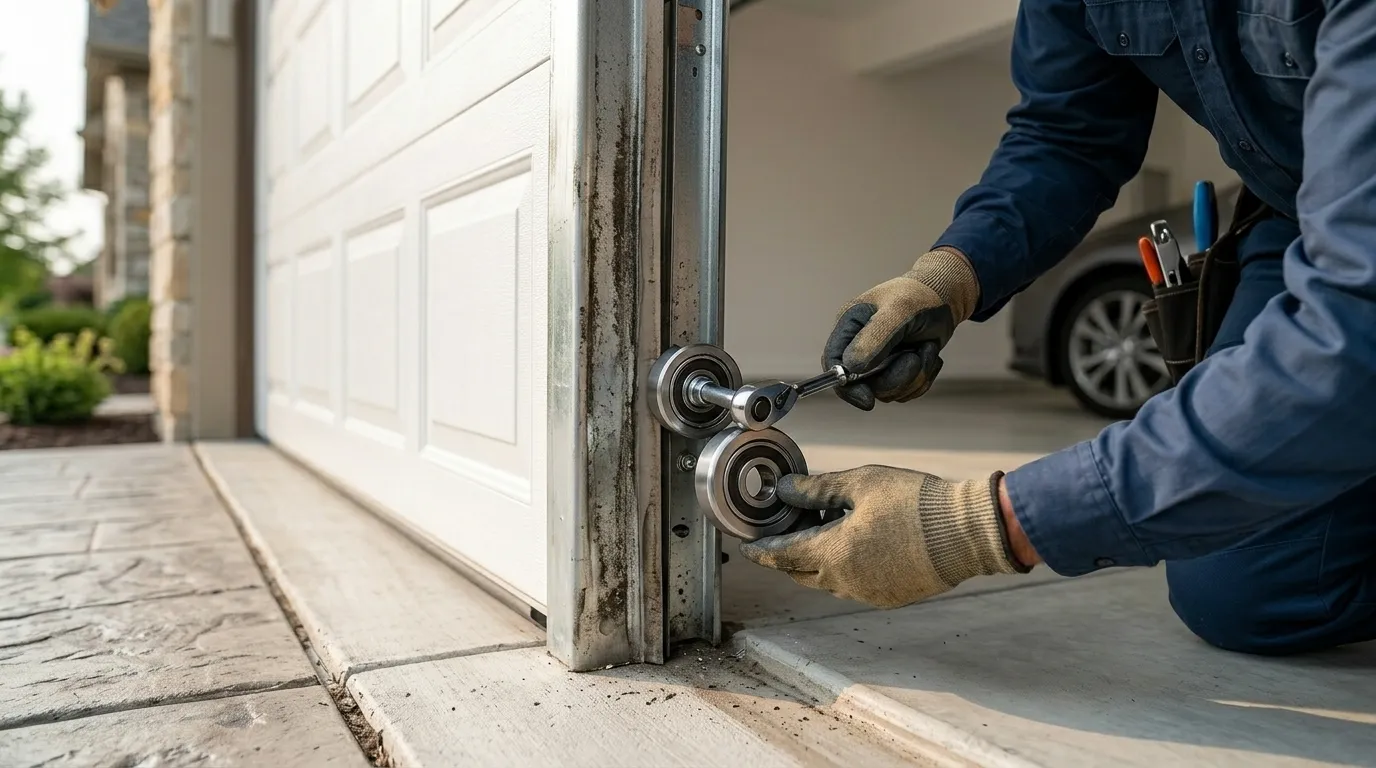
If your door is original to the house, it was built before insulation rules applied to garage doors, and that changes how you should think about a repair call. A door that's sagging in the middle, dragging on one track, or humming louder than it used to isn't just old - it's an uninsulated single-layer panel on hardware that's been carrying itself for decades. Call before you touch a torsion spring yourself; original spring systems from this era are sized for the weight of that older door, and swapping panels without checking the spring rate is how people get hurt or end up with a door that won't stay open. Call also if the opener is straining audibly, cycling twice to close, or the door reverses without touching anything - all common on doors that predate current bracing standards. If it's just a noisy roller or a bent hinge, that's a smaller job and worth asking about before you assume you need a full replacement. We'll tell you straight if a repair makes sense or if the door's age means you're better off replacing it.

The Situation

Housing in this area mostly went up between 1964 and 1999, with the median build year sitting around 1979. That's the same pattern across the 22 named communities we cover, from Nokomis a mile up the road to Desoto Acres nineteen miles out. It means a lot of original garage doors, original torsion hardware, and original opener mounts still doing their job forty-plus years later, because a garage door is one of the last things anyone thinks to replace on an older house. Across the roughly 61,549 households and 37,668 owner-occupied houses in this service area, most of that stock shares the same basic door: steel or wood panel, no foam core, hardware sized to 1970s and 80s building practice. At a median household income of $77,359, most owners here can afford a proper insulated replacement when the time comes, but plenty choose to keep patching the original door instead - and for a while, that's often the right call.

What Local Conditions Do

Venice sits in a mild temperate band, which is a break in some ways - you're not fighting the freeze-thaw cracking that tears apart garage door panels and slab foundations up north. But mild doesn't mean easy on hardware. Steady humidity and salt-carrying air work slower but just as surely, especially on doors from the 1964-1999 window that were never built with a thermal break or a sealed bottom section to match. Uninsulated steel panels here tend to show surface rust at the seams and bottom corners years before the panel itself fails structurally. Springs and hinges on original hardware corrode from the inside of the coil out, which is why a spring can look fine and still snap without warning. None of this is dramatic weather - no hailstorms, no deep freezes - but it's constant, and it's exactly the kind of wear that an insulated, sealed door from a later build era doesn't deal with the same way. If your door is original, that's the mechanism working against it, quietly, every year it sits in that Gulf coast air.
Where People Go Wrong

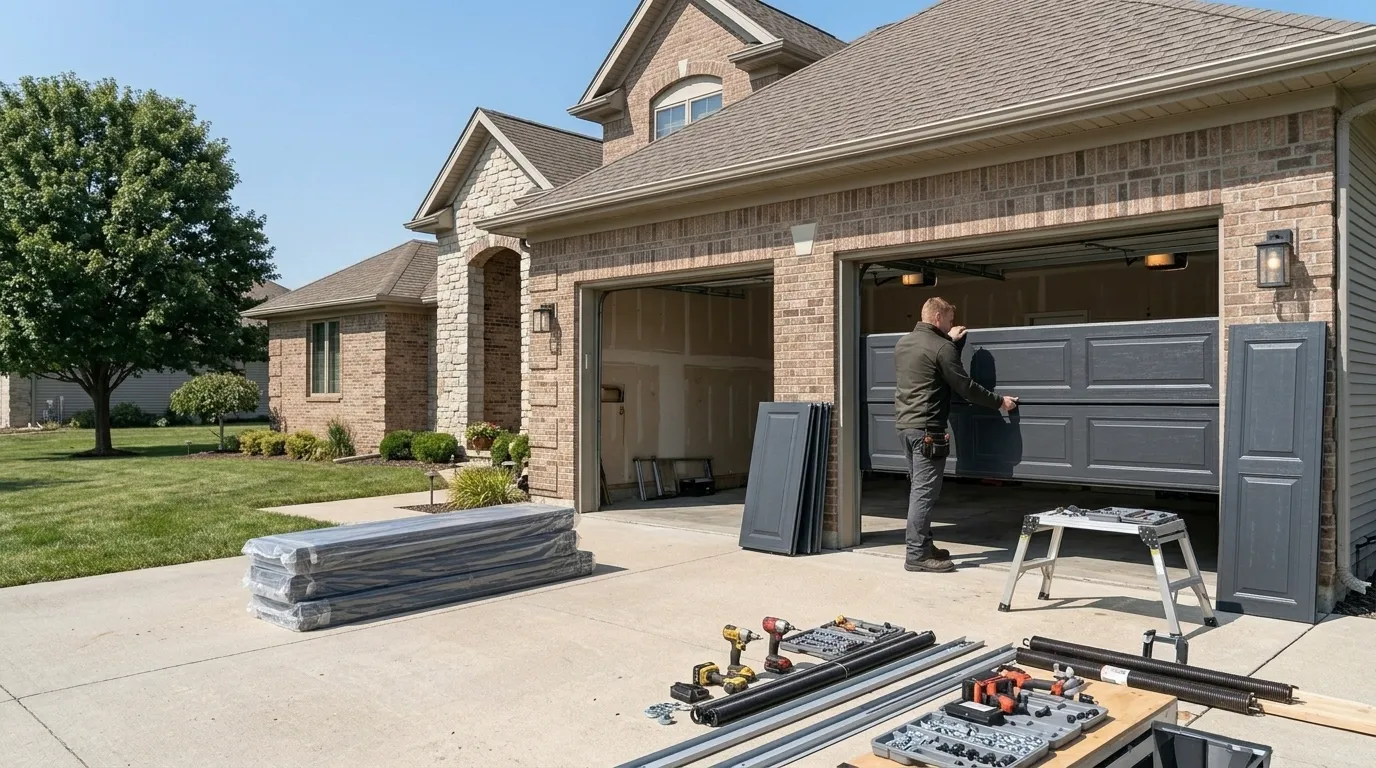
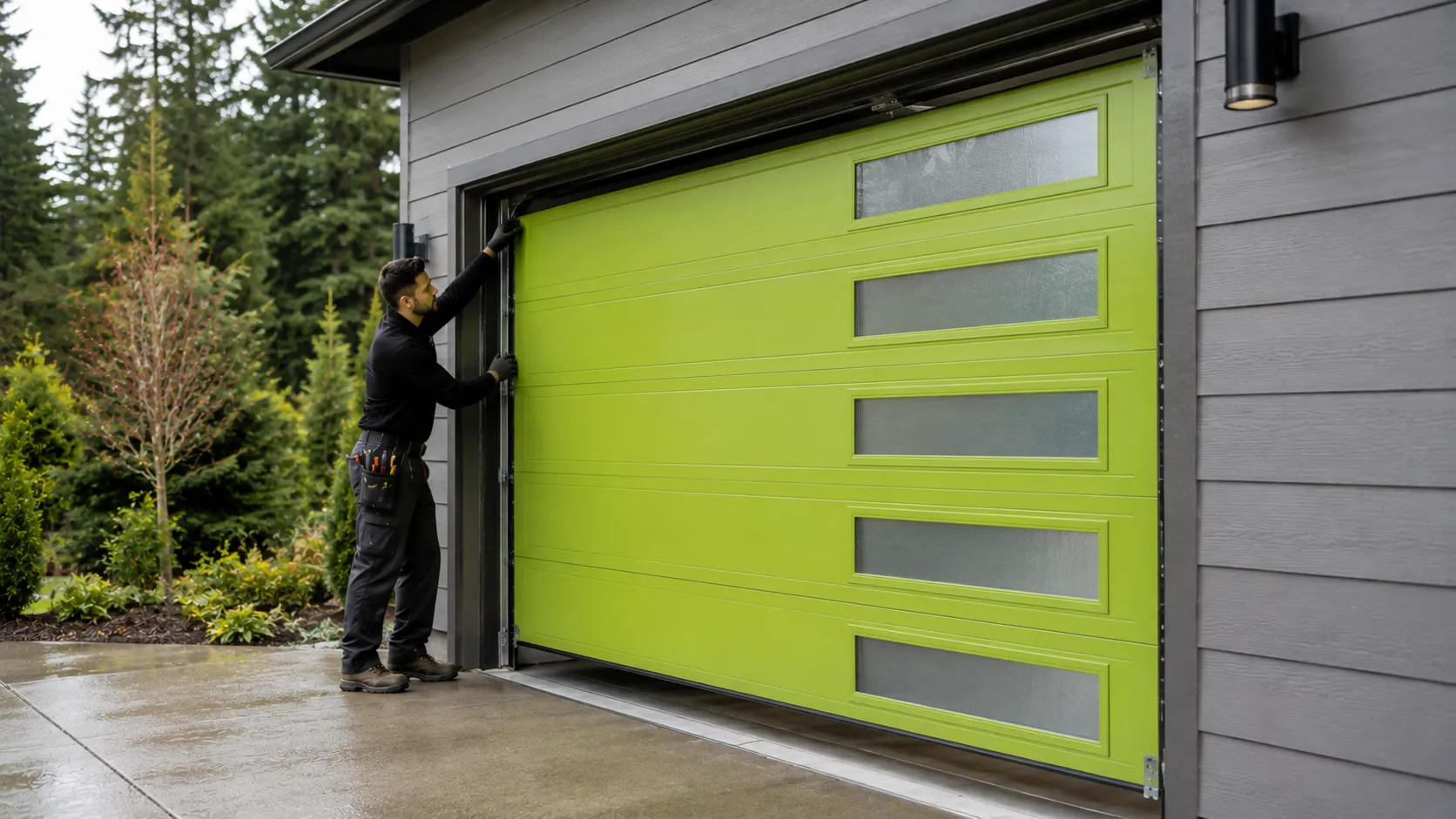
The most common mistake we see is treating an insulation retrofit kit as a fix for a door that's failing for other reasons. Sticking foam panels to the inside of an old steel door helps with noise and a little with heat, but it doesn't address the bracing, the seals, or the spring wear that came standard on doors built before current codes existed. The second mistake is assuming any door swap is a drop-in job - on a house from this era, the opening itself may have settled or gone slightly out of square over forty-plus years, and a new door won't seat right until that's addressed. That's carpentry, not a door swap, and it's worth knowing before you order a door expecting a same-day install. The third is ignoring a slow-closing or reversing door because

How it works

From “it’s stuck” to “it’s fixed”

Tell us what’s wrong - Venice garage door service

Tell us what’s wrong

Describe the symptom - won’t open, loud bang, opener runs but the door won’t move.

On-site diagnosis - Venice garage door service

On-site diagnosis

A technician tests the door under power and by hand and finds what actually failed.

Clear, up-front plan - Venice garage door service

Clear, up-front plan

You get the fix that’s needed and what drives the cost - before any work starts.

Repaired & tested - Venice garage door service

Repaired & tested

The repair is done, the door is set true and tested, and the work area left clean.

Serving Venice, FL - tell us what your door’s doing and we’ll take it from there.

How we work

What to expect

A straight, honest approach on every Venice job - diagnosis first, the right parts, and clean work.

01

Diagnosis first

Every visit starts by finding what actually failed - not a pre-written parts list.

02

The right part for the door

Springs and openers matched to the door’s weight and age, so the fix holds up.

03

Straight answers

When a repair makes more sense than a replacement - or the reverse - you hear it plainly.

04

Clean, careful work

Tension released safely, hardware set true, the door tested under power before we leave.

Questions

Frequently asked

Straight answers about garage door repair in Venice. Still unsure? Ask us directly.

Why does my garage door feel heavier than it used to?

On a door from this build era, weight usually creeps up from moisture the uninsulated panel has absorbed over the years, or from a torsion spring that's lost tension. Neither shows up gradually to the eye - you just notice one day the opener strains harder. Worth having the spring rate checked before it fails outright.

Should I insulate my old garage door or just replace it?

Depends on the panel's condition, not just its age. If the steel is still sound and the track and hardware are solid, an insulation kit can buy real comfort for less money. If there's rust at the seams or the door's racking on the track, insulating it just delays a replacement you'll need anyway.

Is the humidity here actually hard on garage doors?

Yes, steadily rather than dramatically. There's no freeze-thaw cracking in this climate band, but constant humidity and salt air corrode springs, hinges, and uninsulated steel seams faster than a dry inland climate would. It's slow damage, which is exactly why it gets missed until a part fails.

Can you just swap the door and keep my old opener?

Sometimes. It depends on the opener's age and whether it's rated for the new door's weight, since insulated doors usually weigh more than the original panel. We'd check the opener's specs against the new door before quoting the swap as a straightforward one.

Ready to get your garage door sorted?

Tell us what it’s doing and where you are in Venice - we’ll take it from there.

Request a QuoteCall