Common Jobs Here
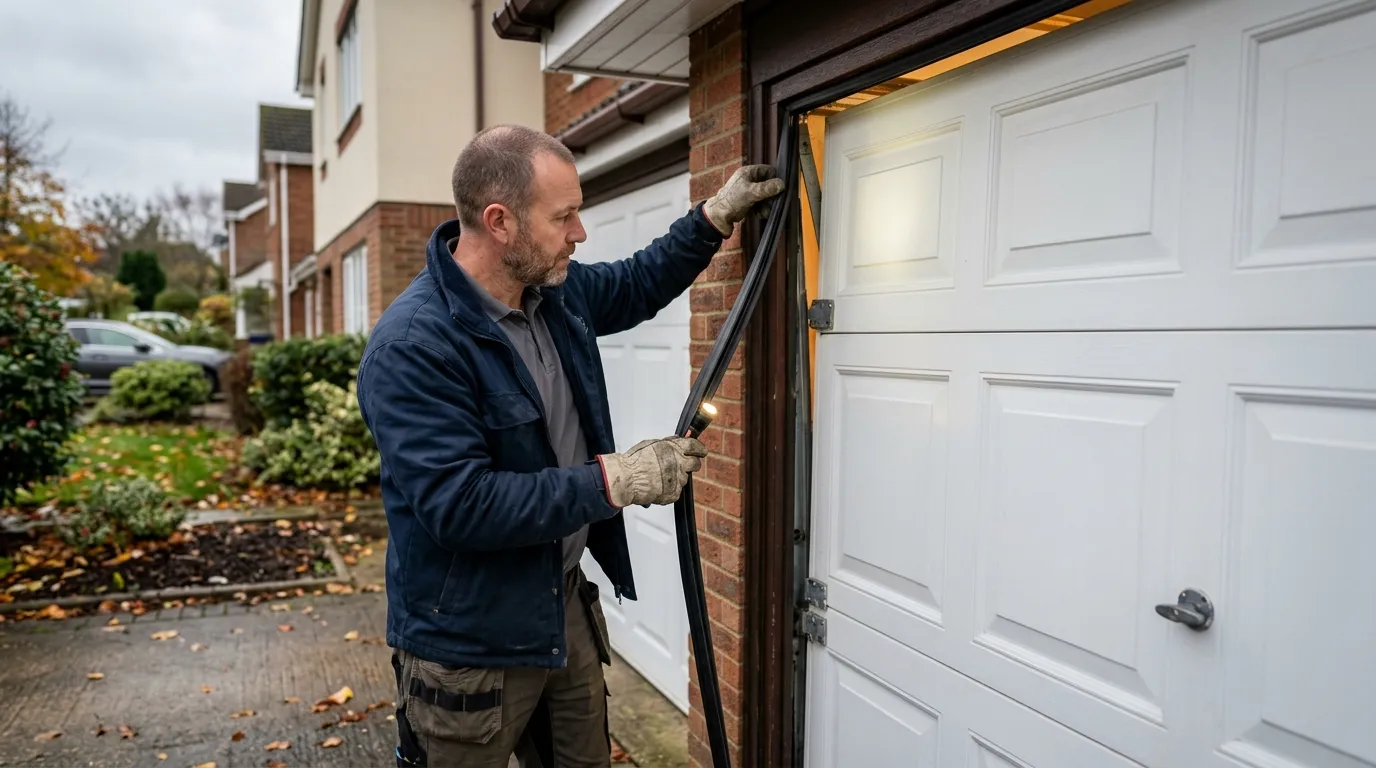
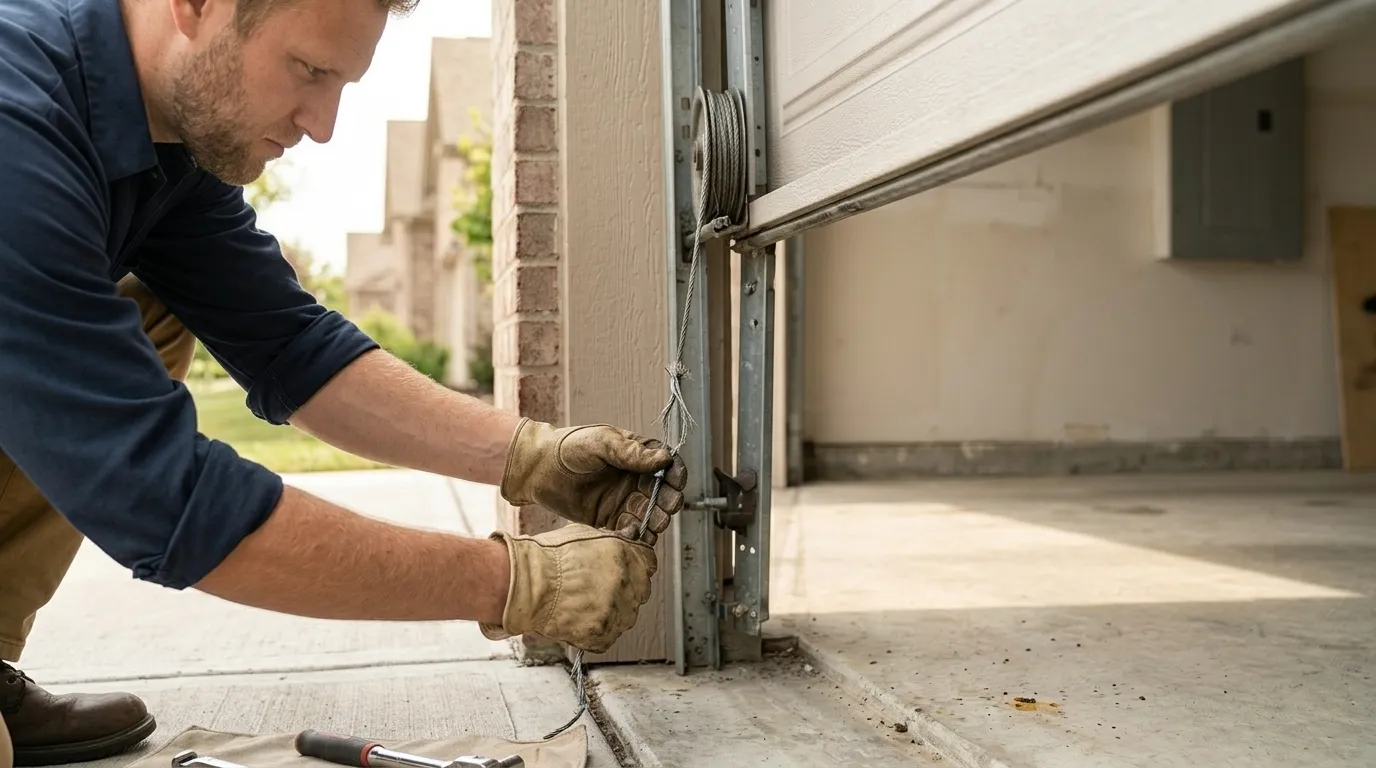
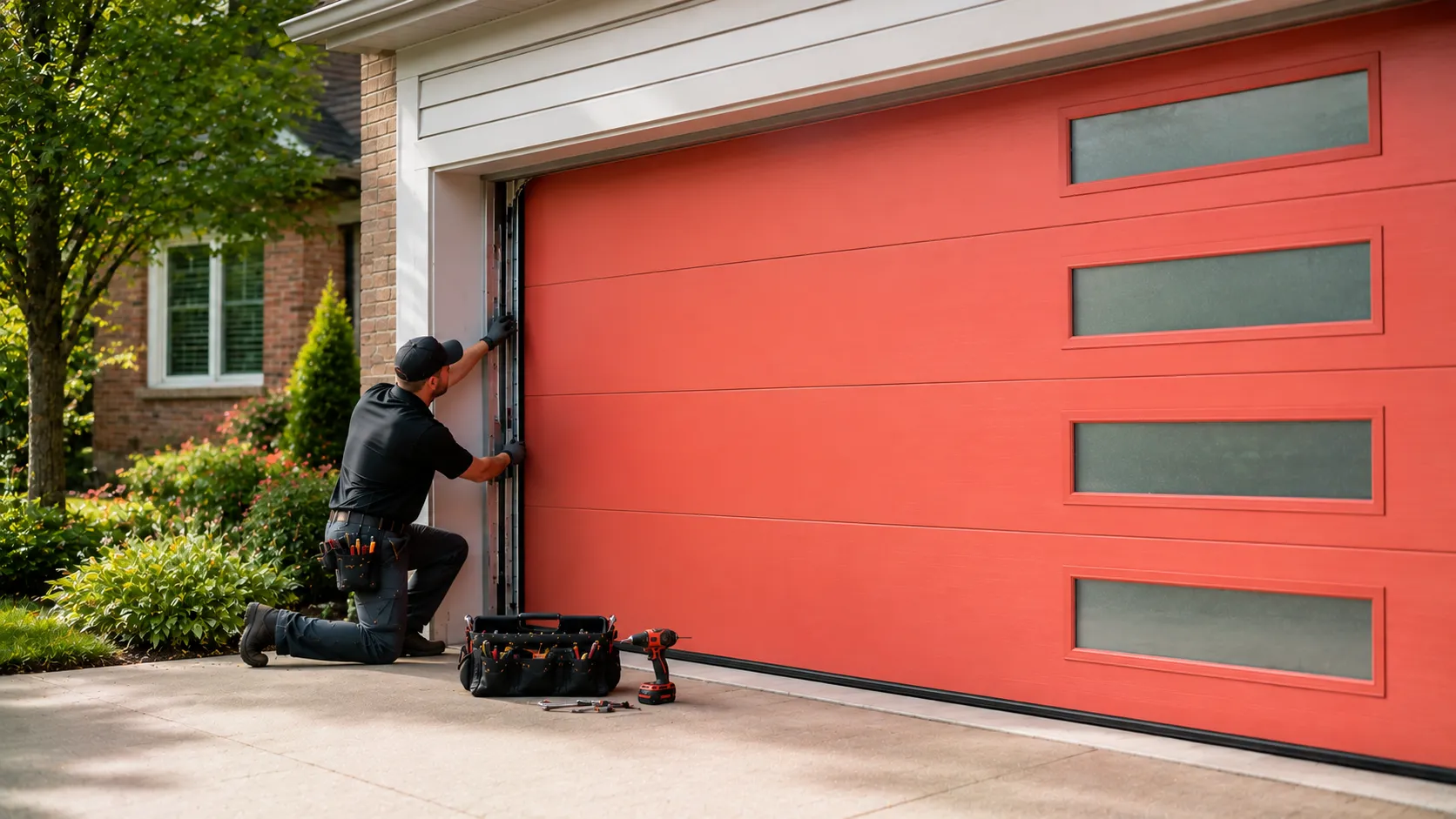
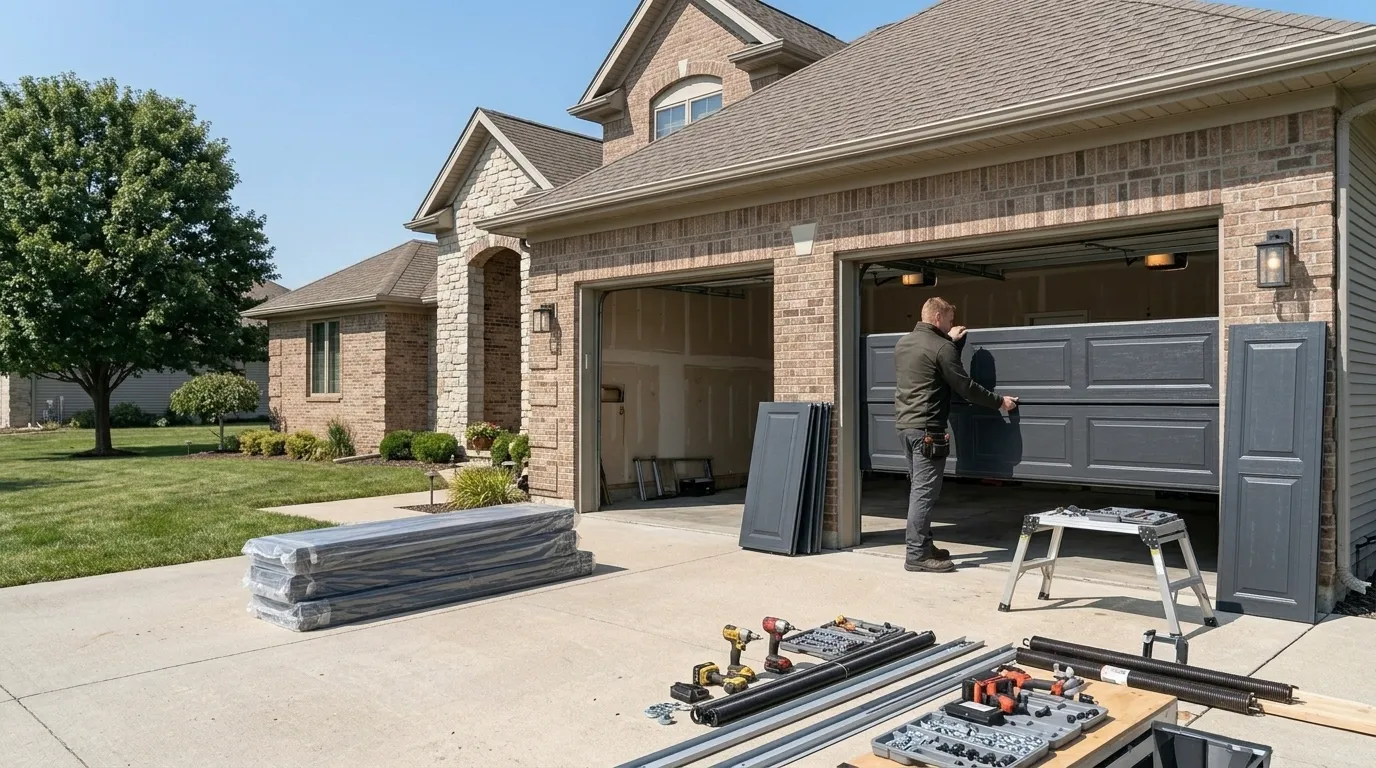
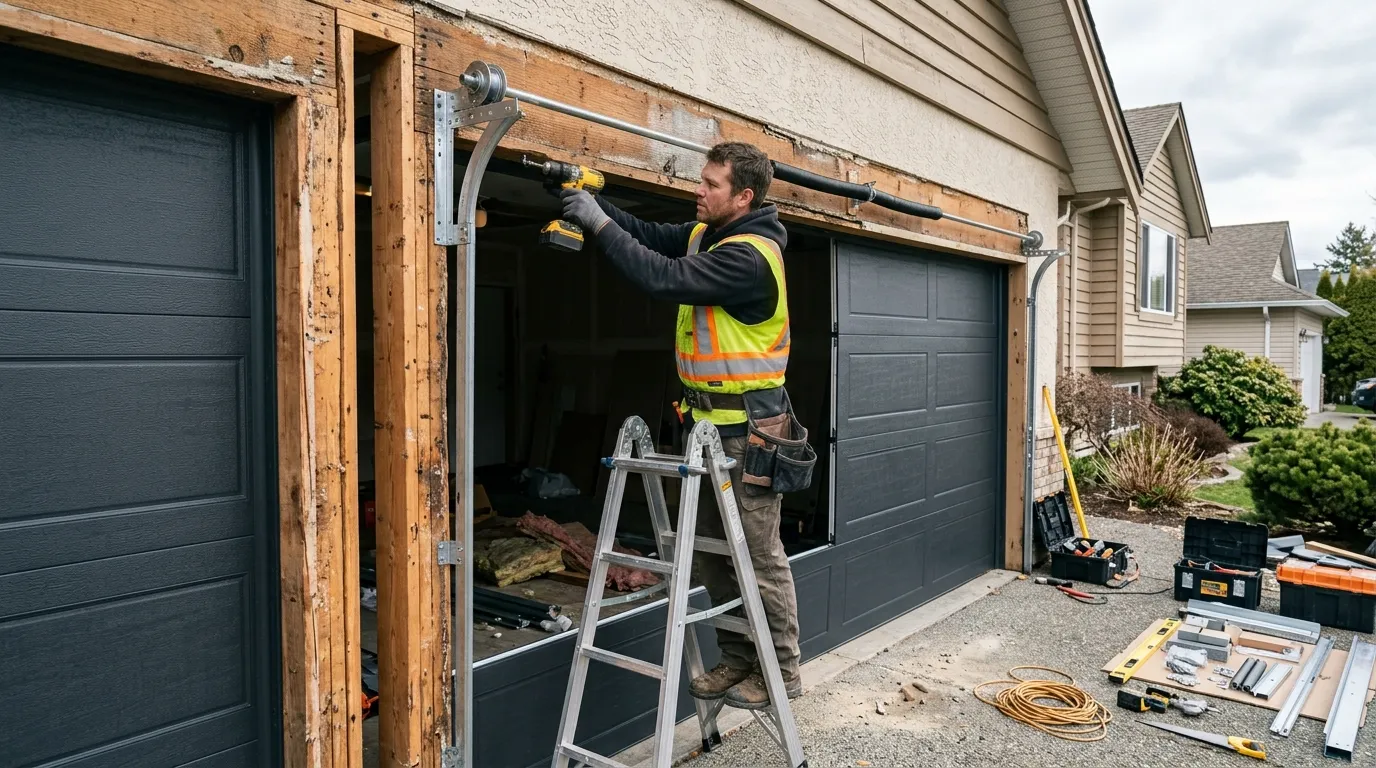
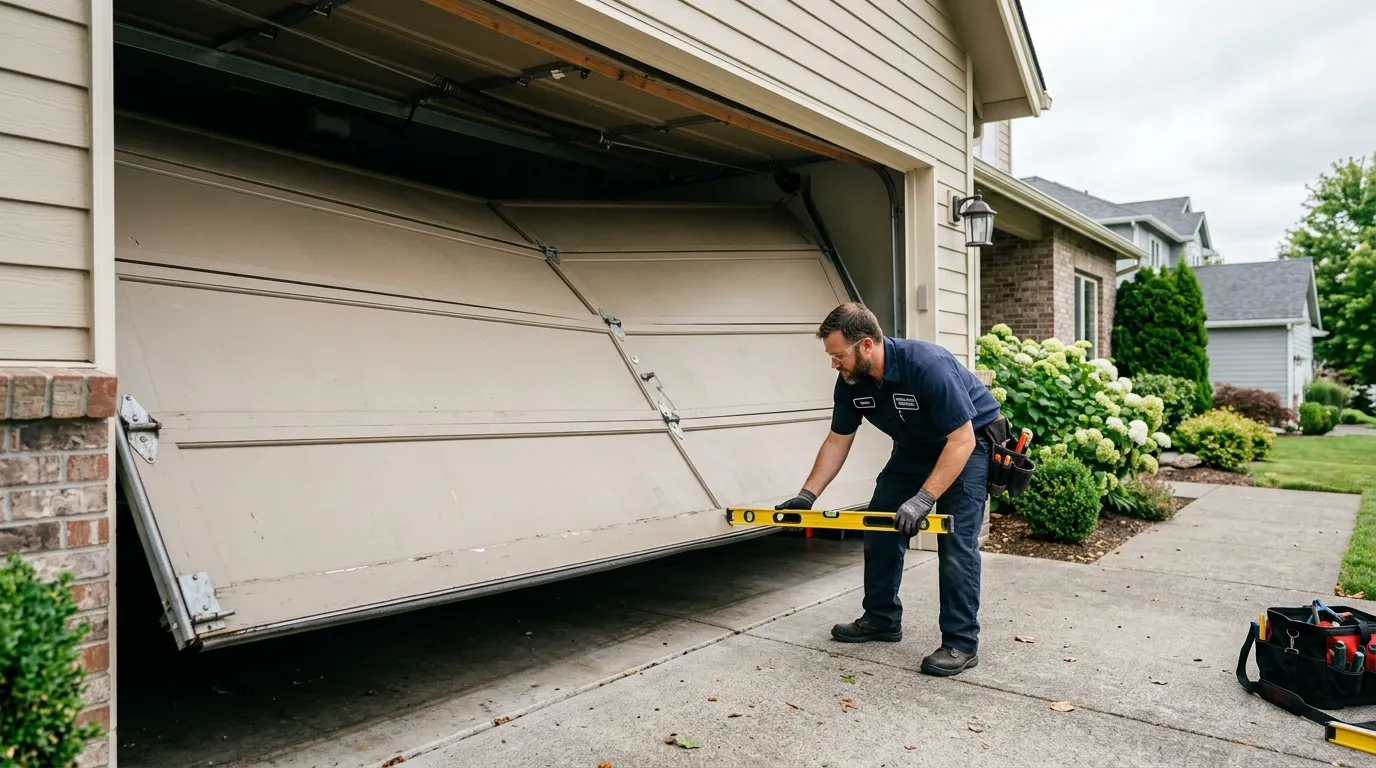
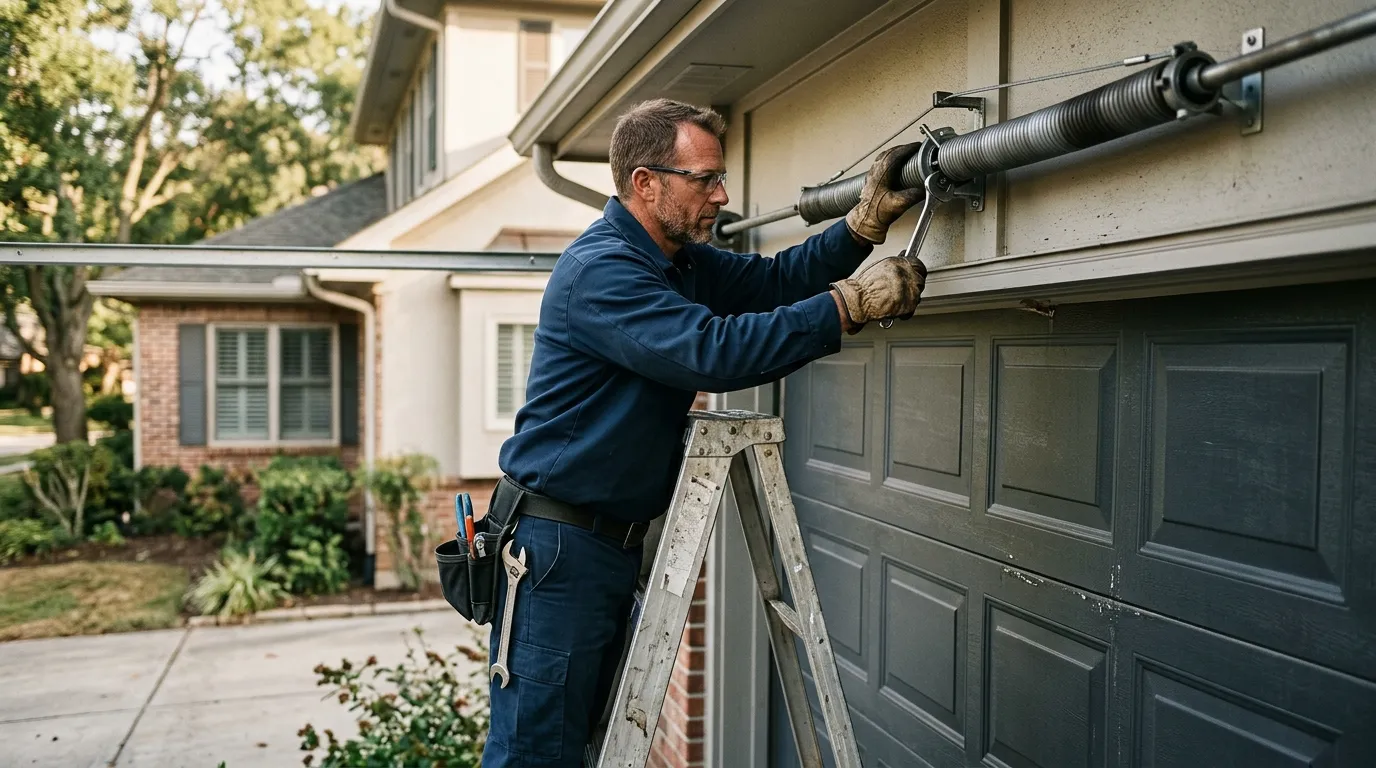
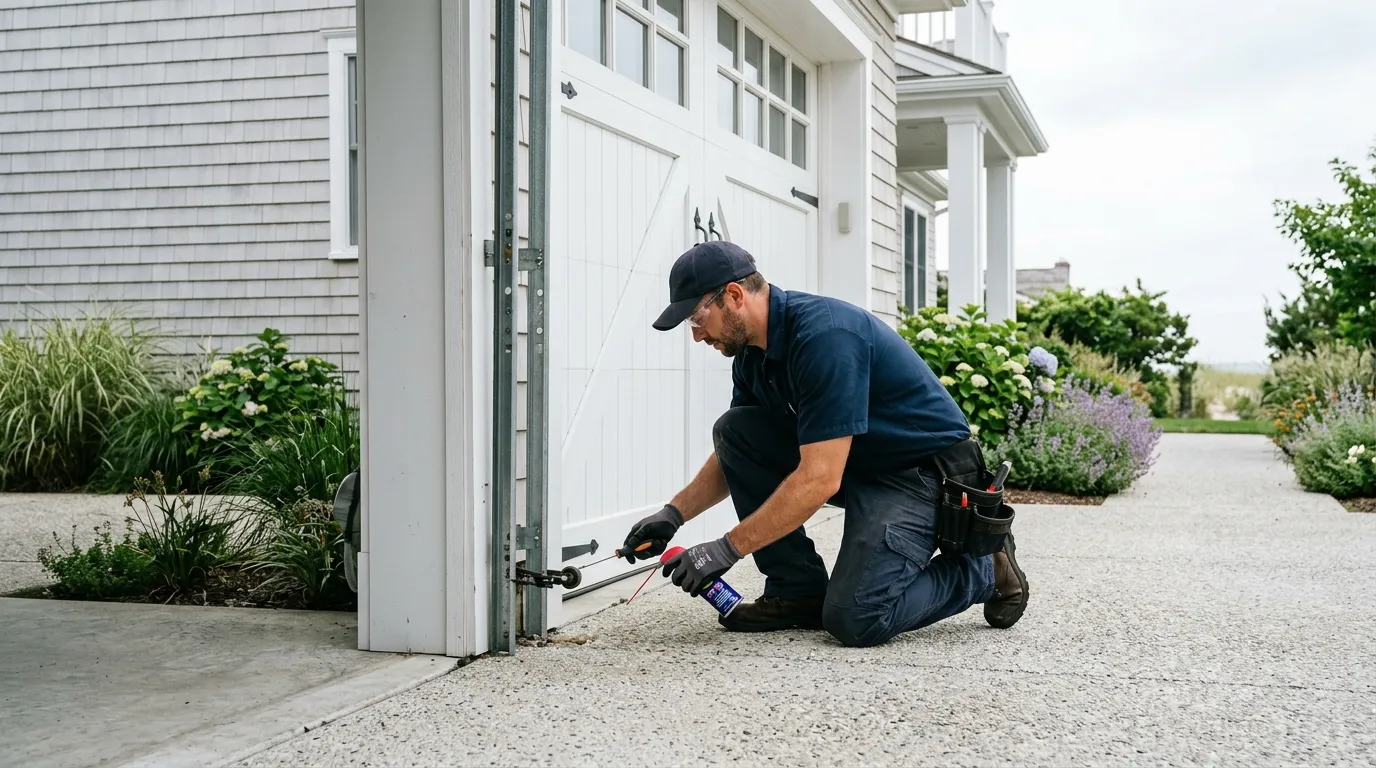
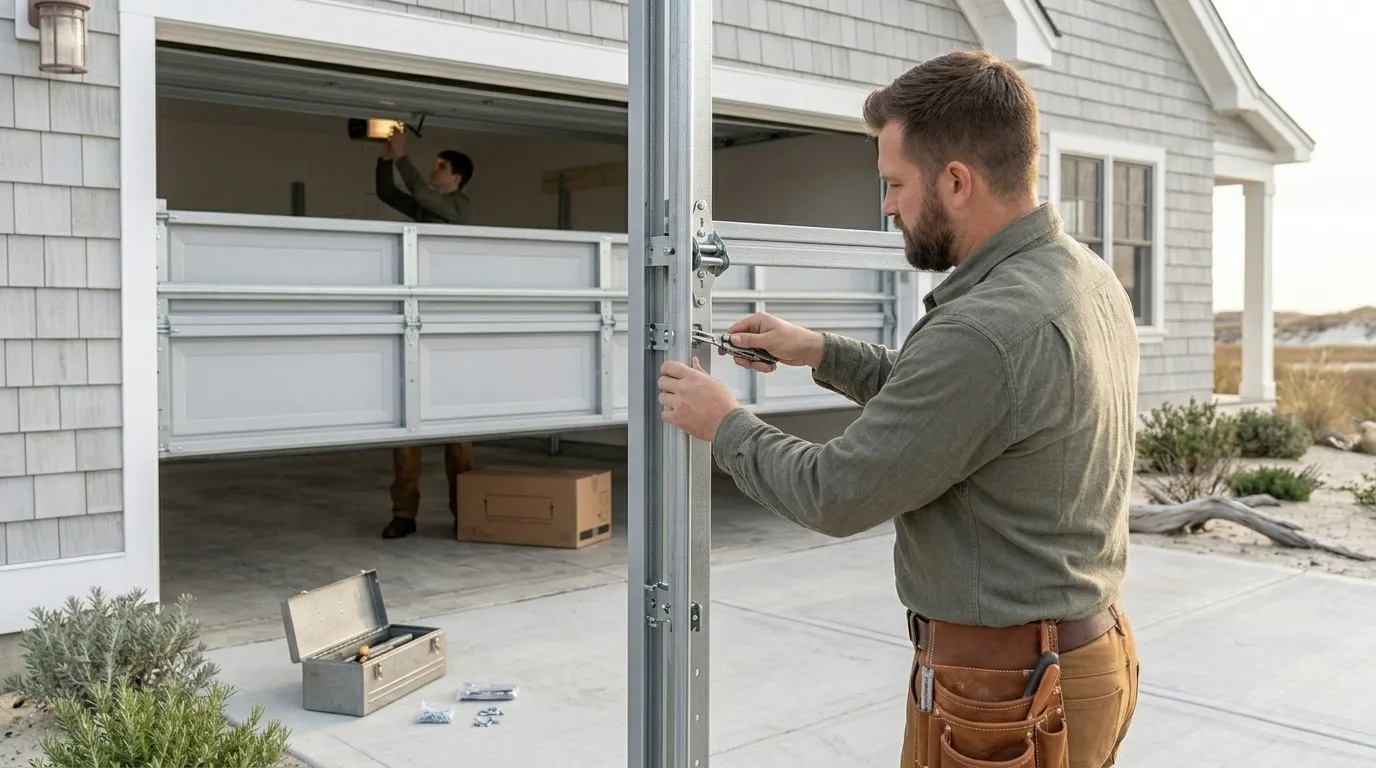
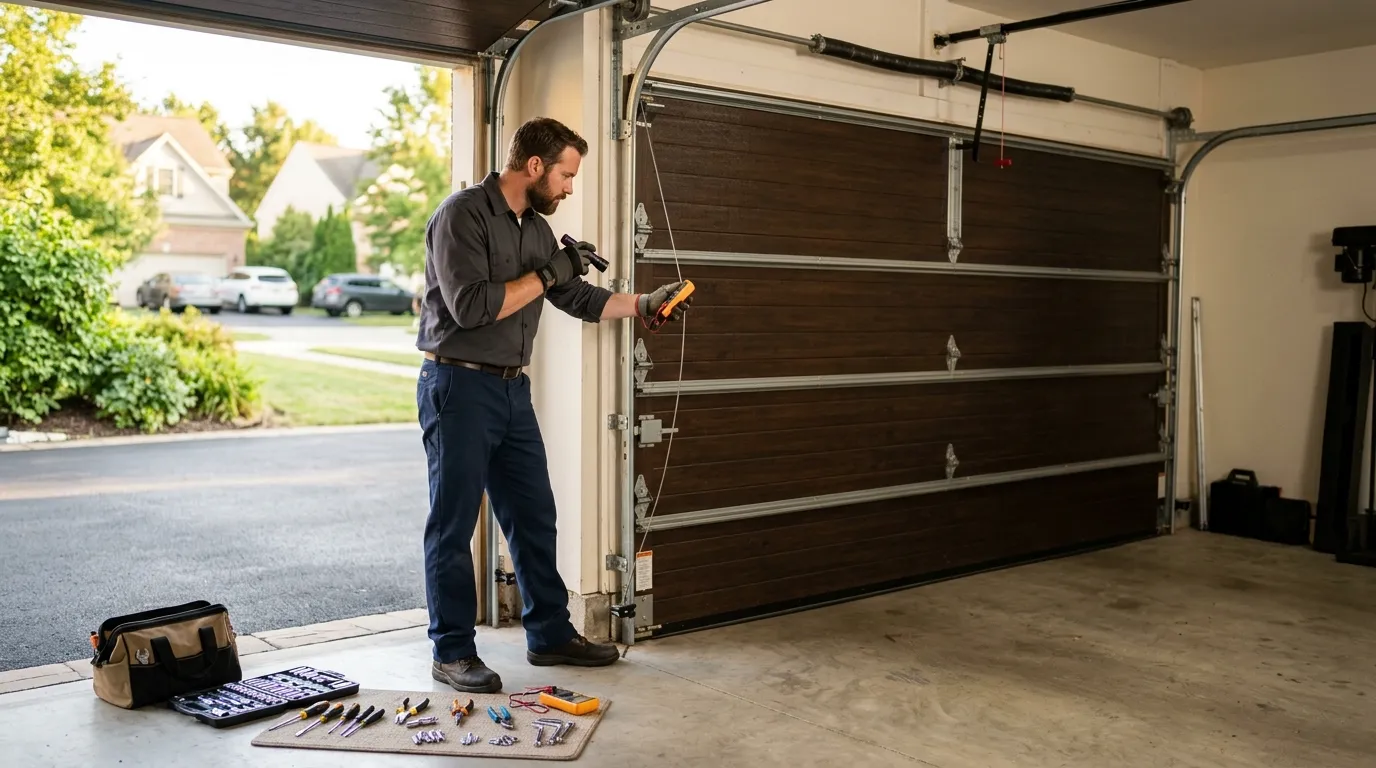
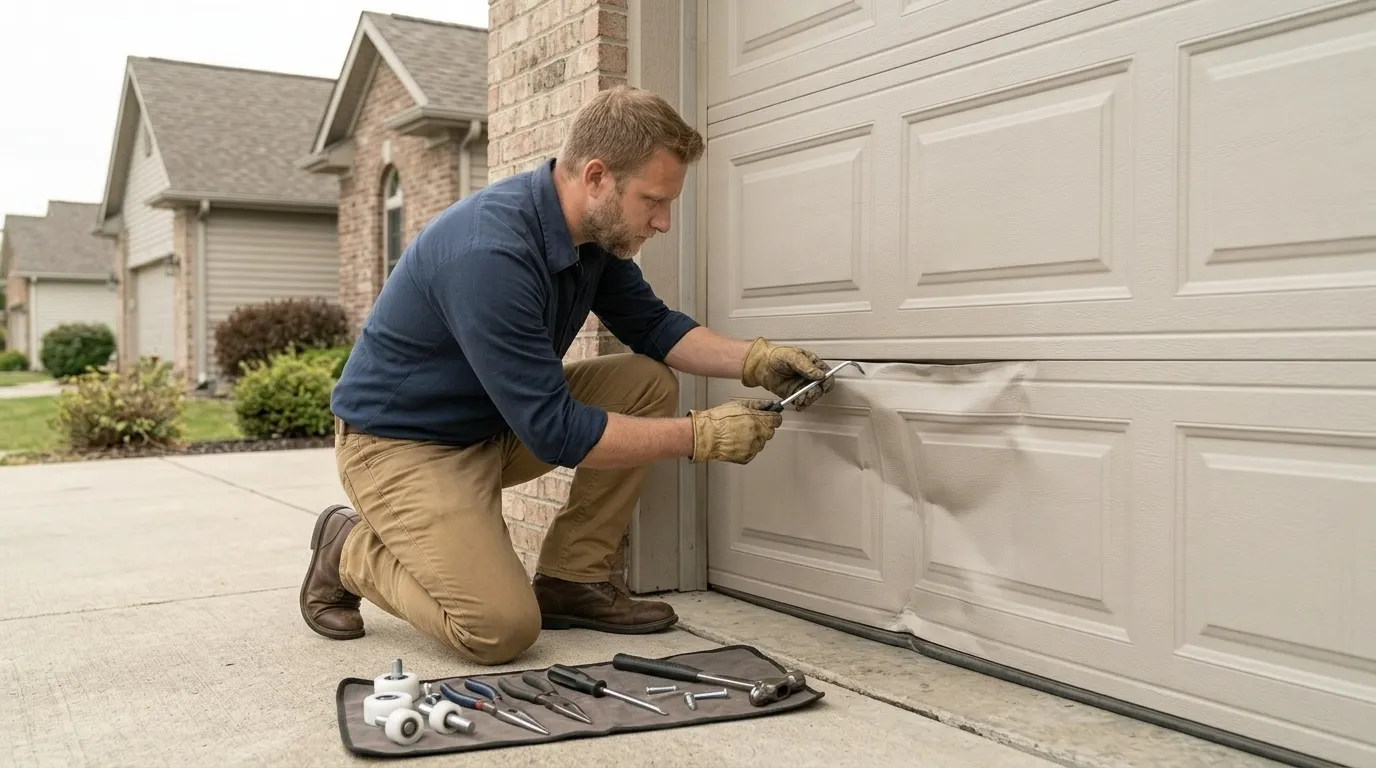
The jobs we run in Grove City skew toward hardware that's original or close to it. Torsion springs on doors this age are past due whether they've broken yet or not - a spring rated for a certain cycle count doesn't know the difference between year one and year forty. Rollers on the original steel track wear grooves that make the door bind or jump, especially once the wheel starts to flatten. Openers from the 1980s and 90s are still running in a good number of these garages, and when the gears strip or the logic board finally quits, replacement parts for that specific unit are often no longer made. We also see bottom panels rusted or dented from decades of use, since original steel doors from that build era weren't built to today's panel spec. None of this is exotic work - it's the ordinary end of a door's service life showing up on schedule, house after house, on the same rough timeline they were all built.
What Was Built Here
Grove City is a small piece of the 22 named areas that make up the broader 1960s-70s housing stock we work across from Venice, and with 1,159 households here, it's one of the smaller pockets we cover. The mild temperate climate that runs through this part of the coast means these doors haven't taken the freeze-thaw damage that cracks concrete slabs and seizes hardware farther north - tracks don't ice over, springs don't contract and snap from cold the way they might inland or up north. That's a point in favor of a 1978 door: age is the main factor here, not weather extremes. What it hasn't been spared is straight time. Forty-plus years of daily sun and salt-heavy air on a steel door still means fading paint, soft spots at the bottom panel, and hardware that's simply tired. We don't treat this as a newer or less-established area than the rest of the service territory - it's an older one, built out largely at once and mostly left alone since.