Common Jobs Here
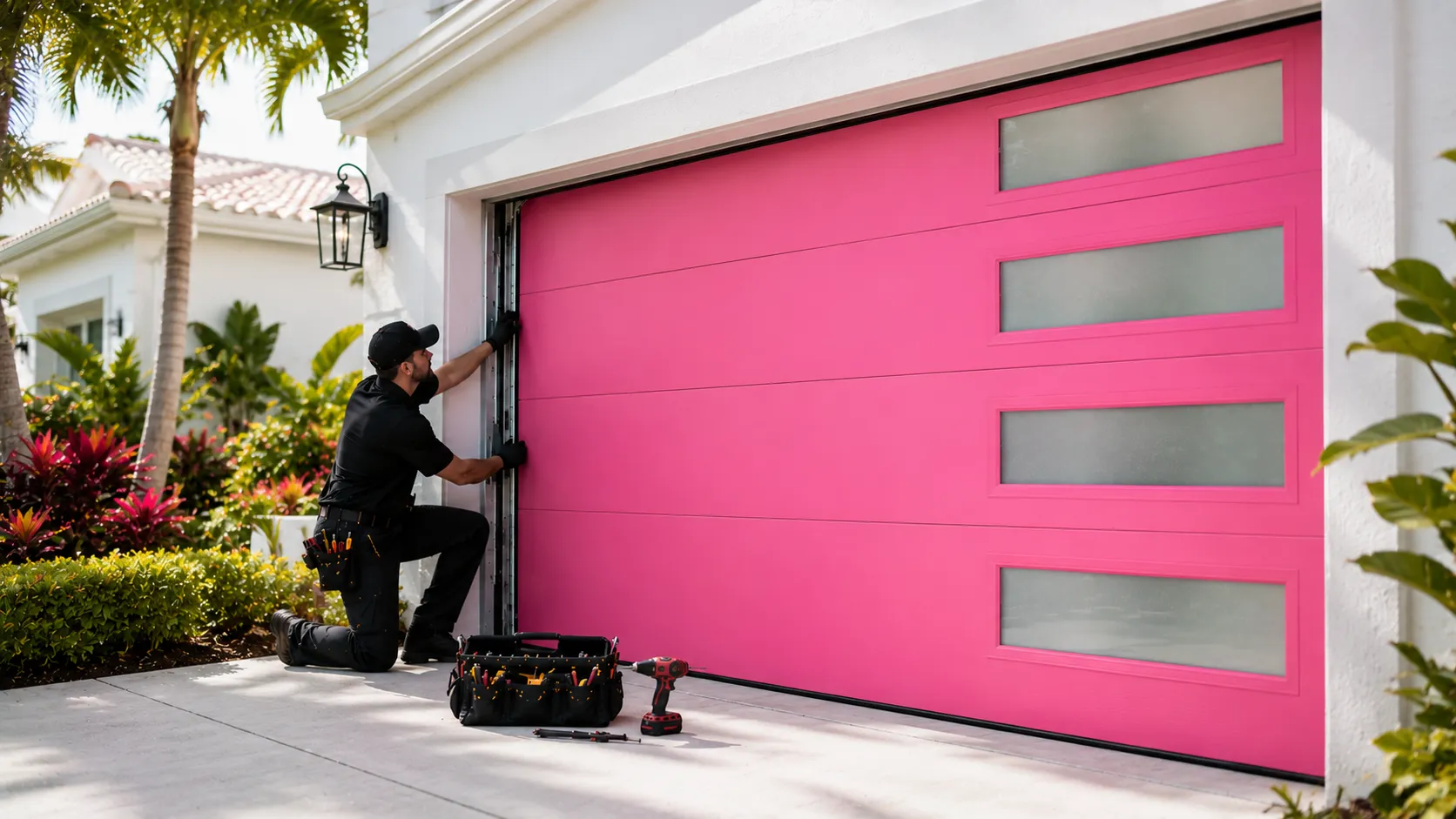
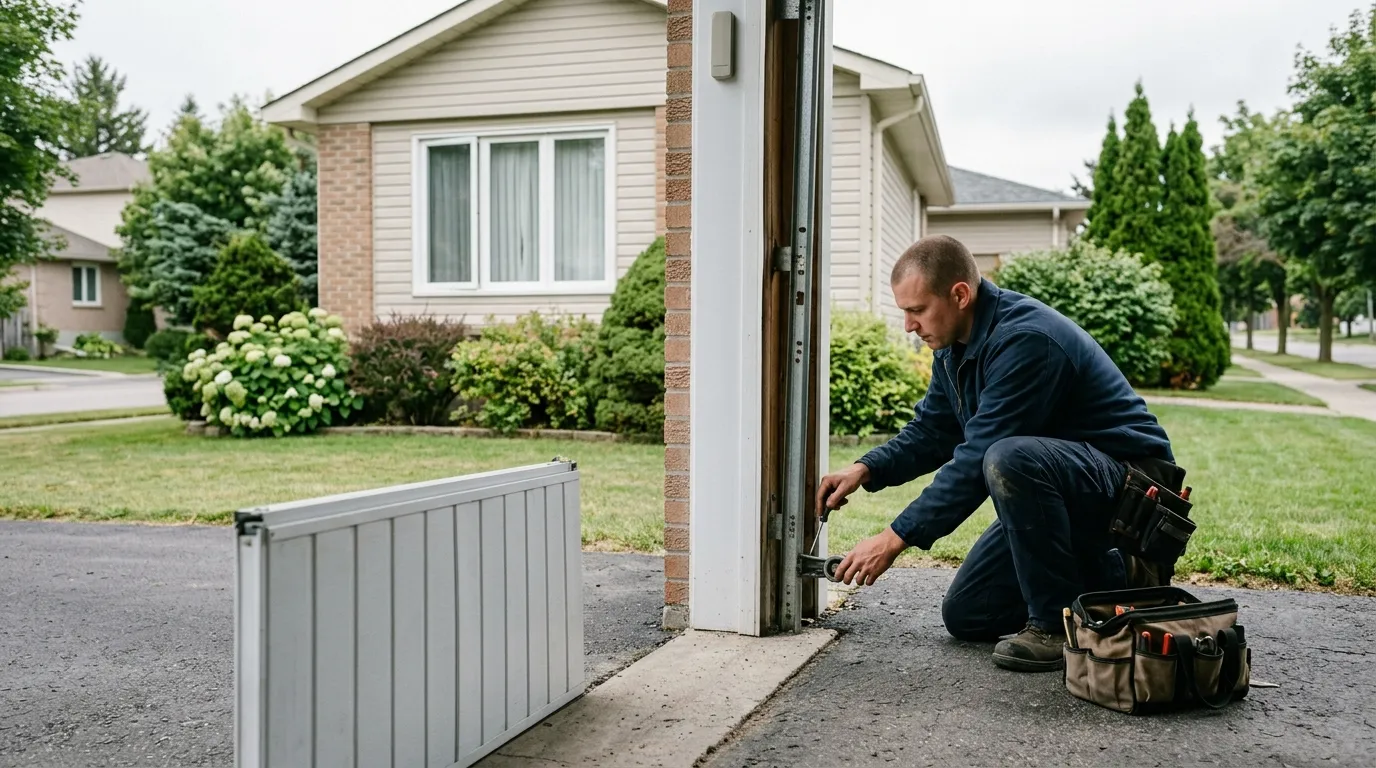
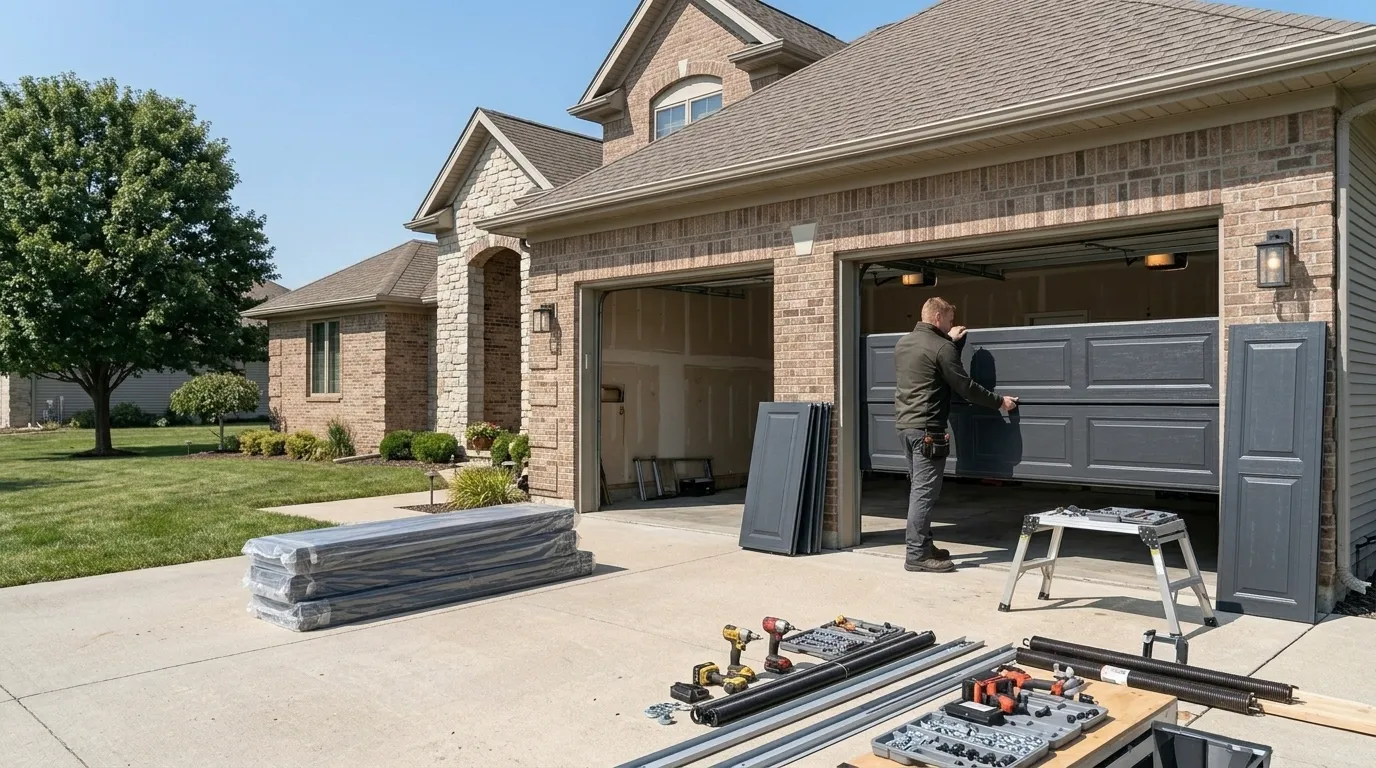
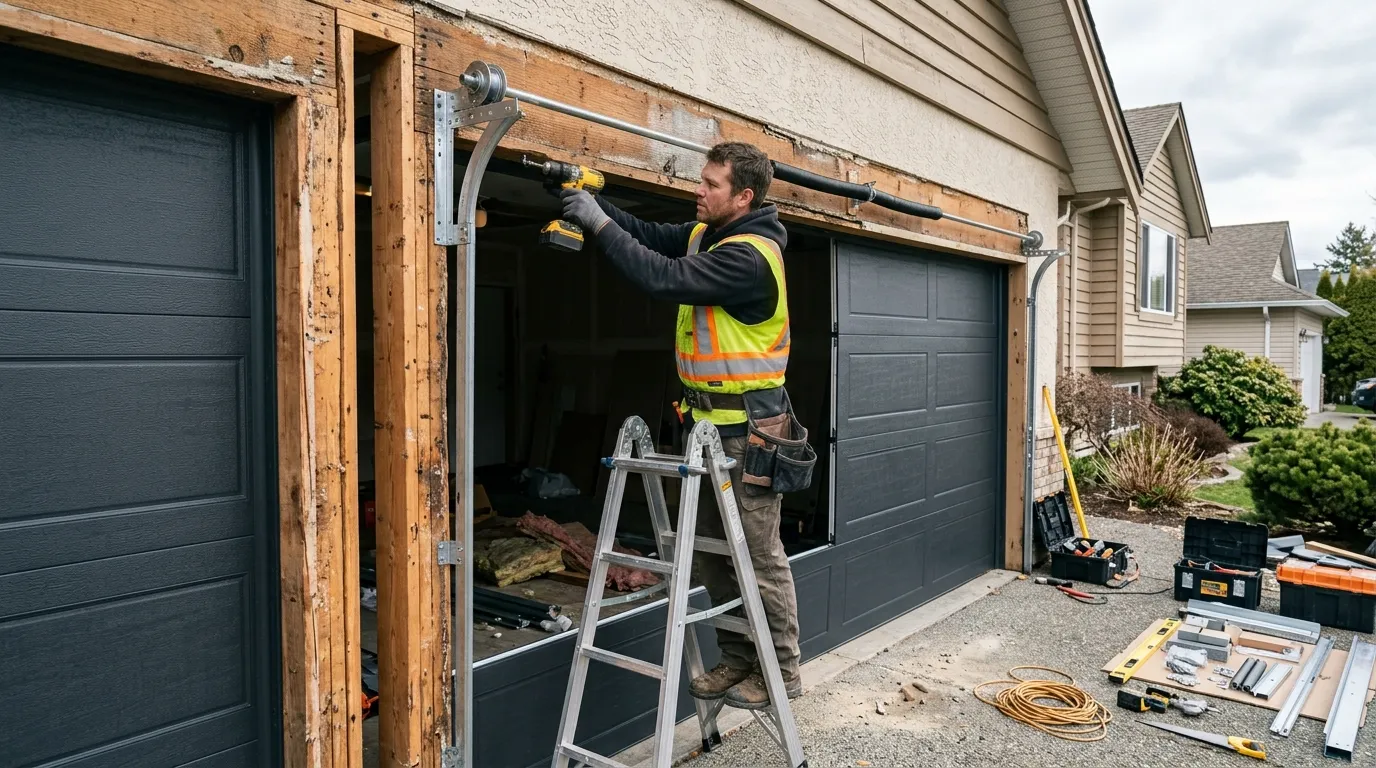
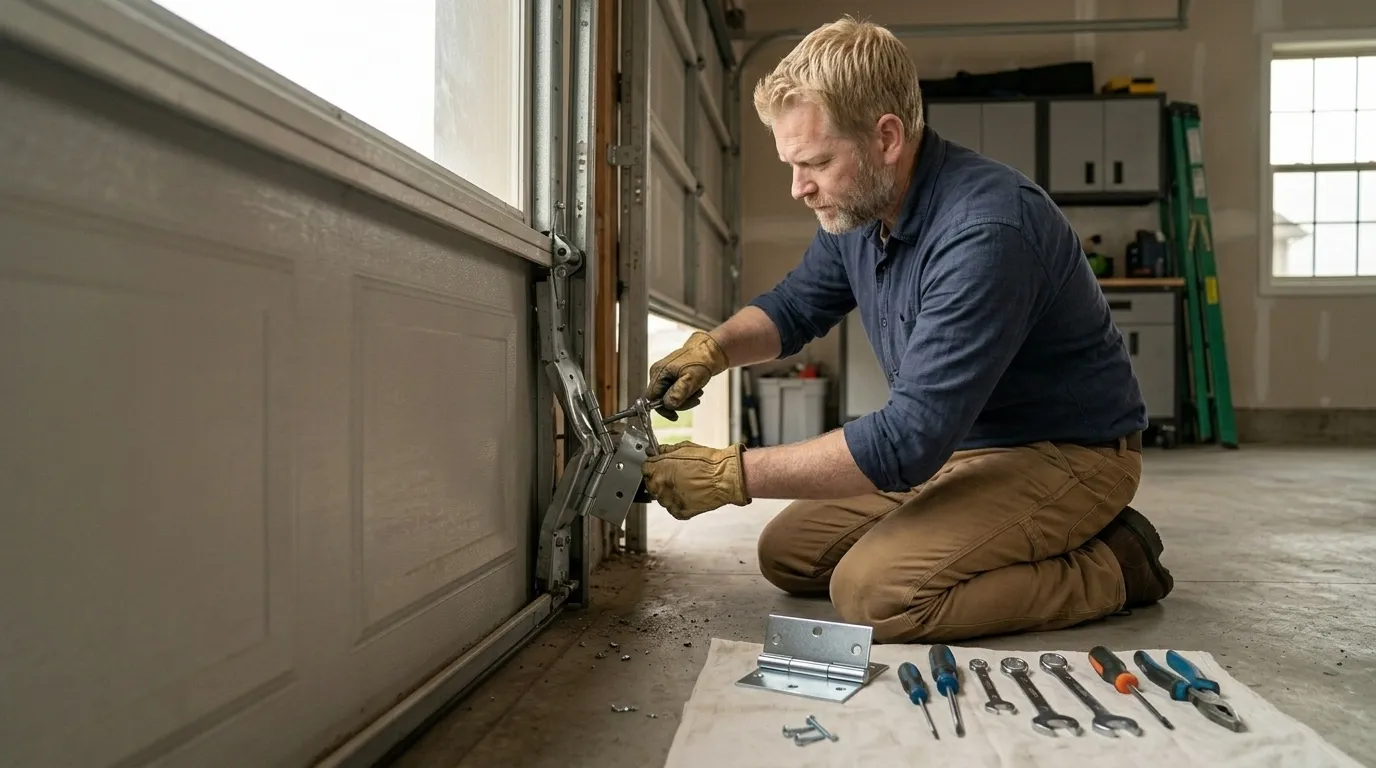
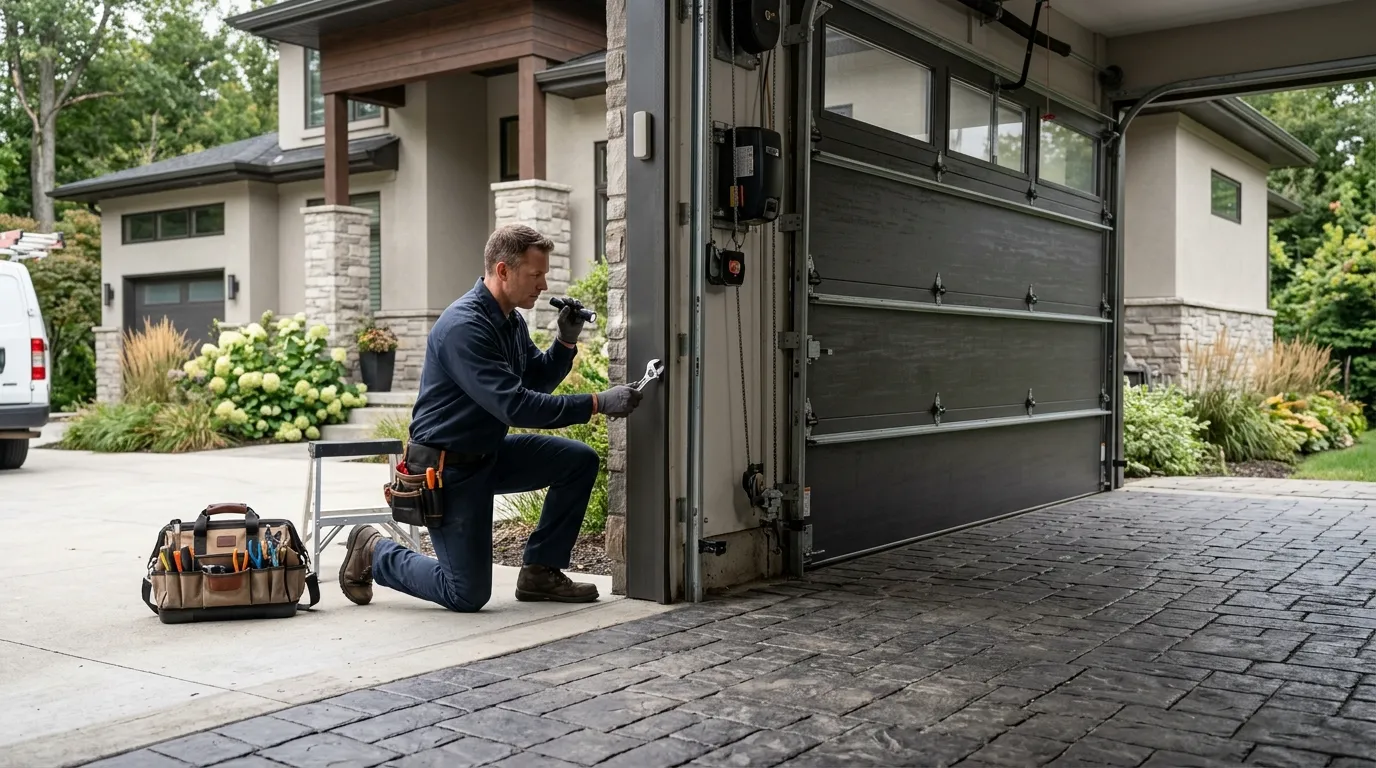
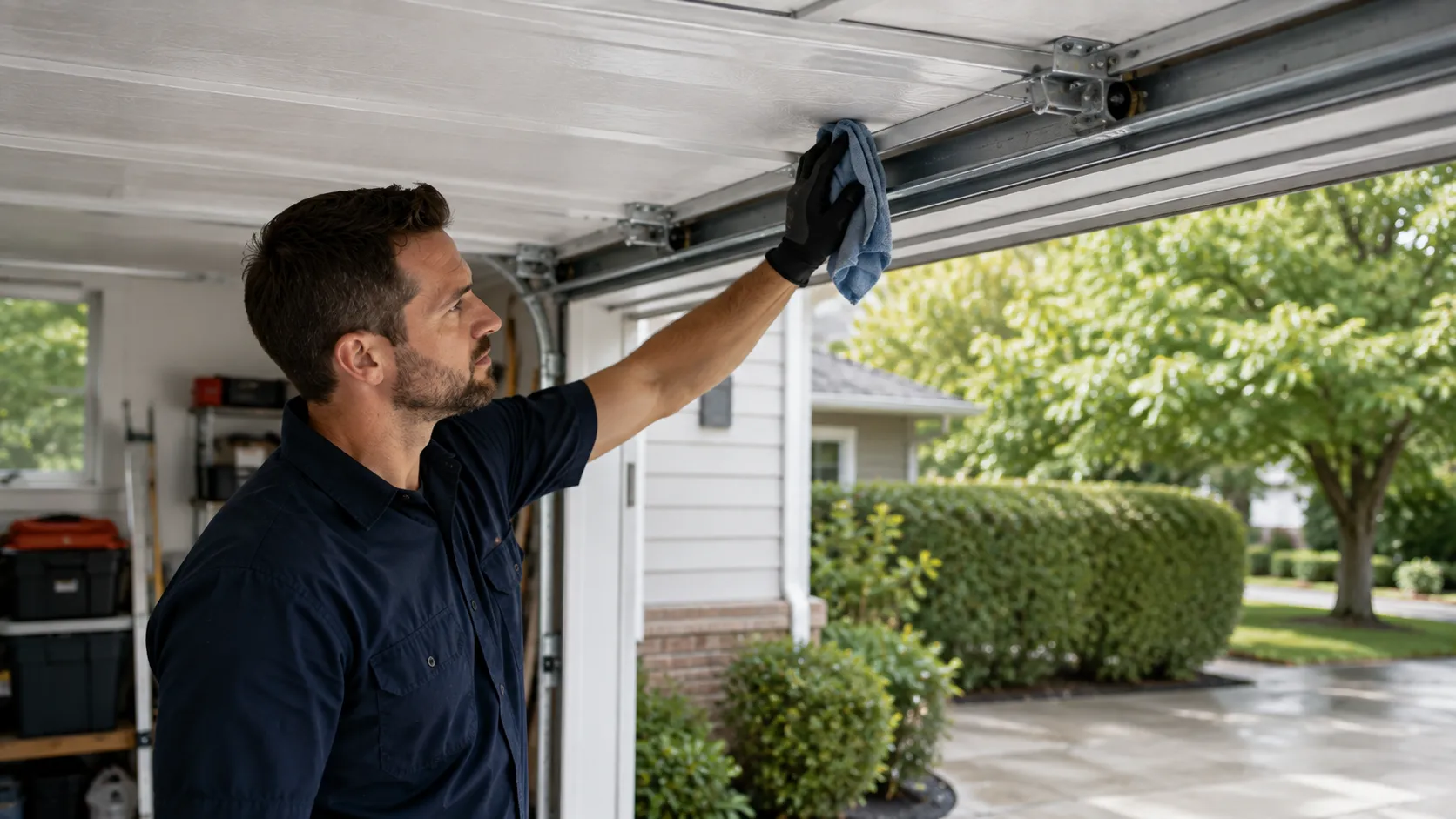
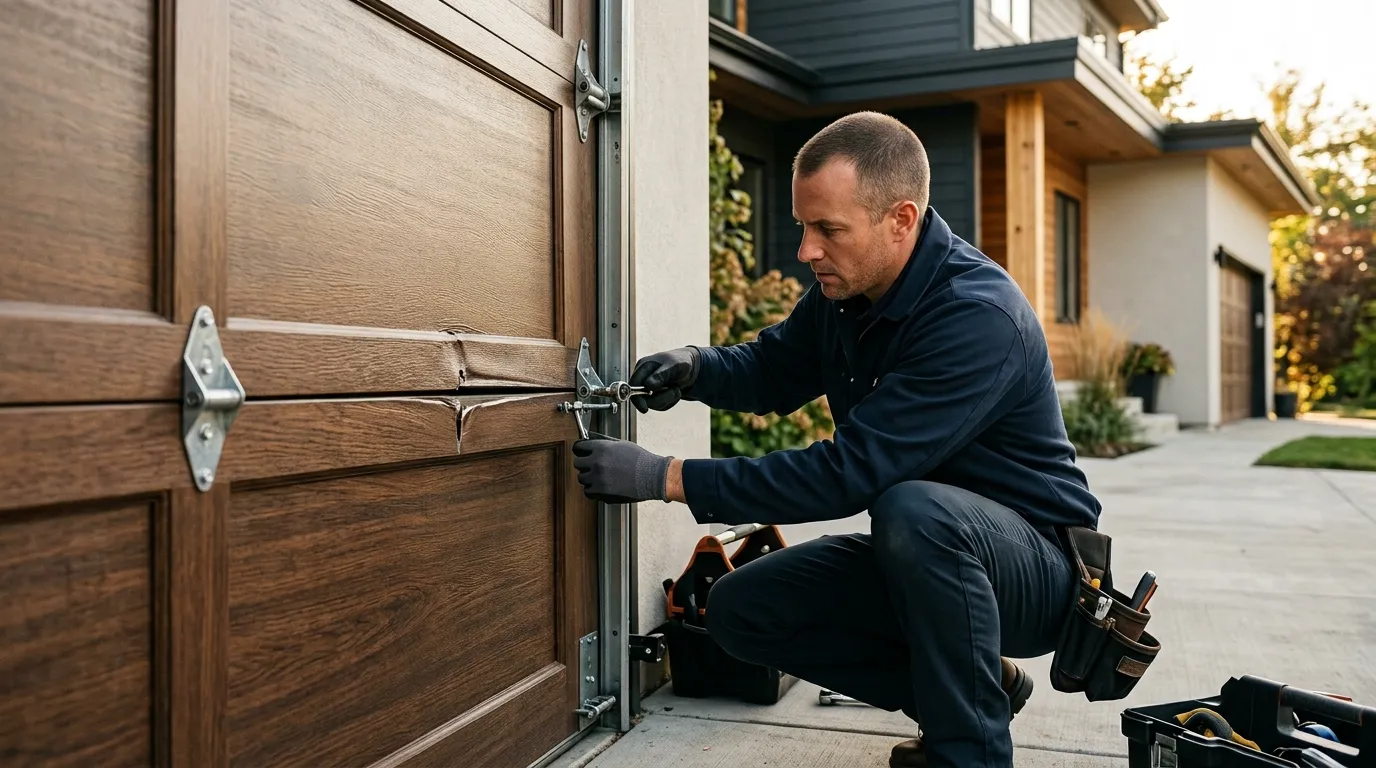
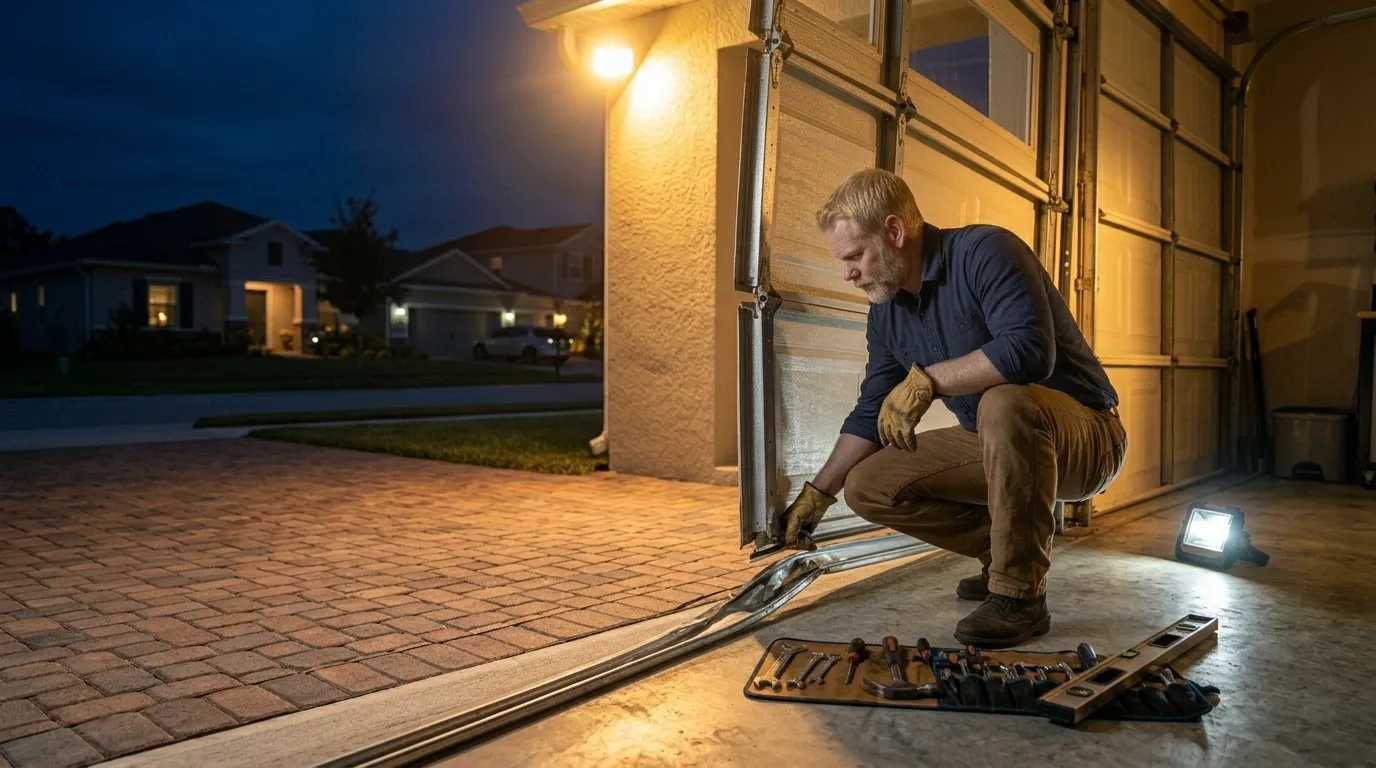
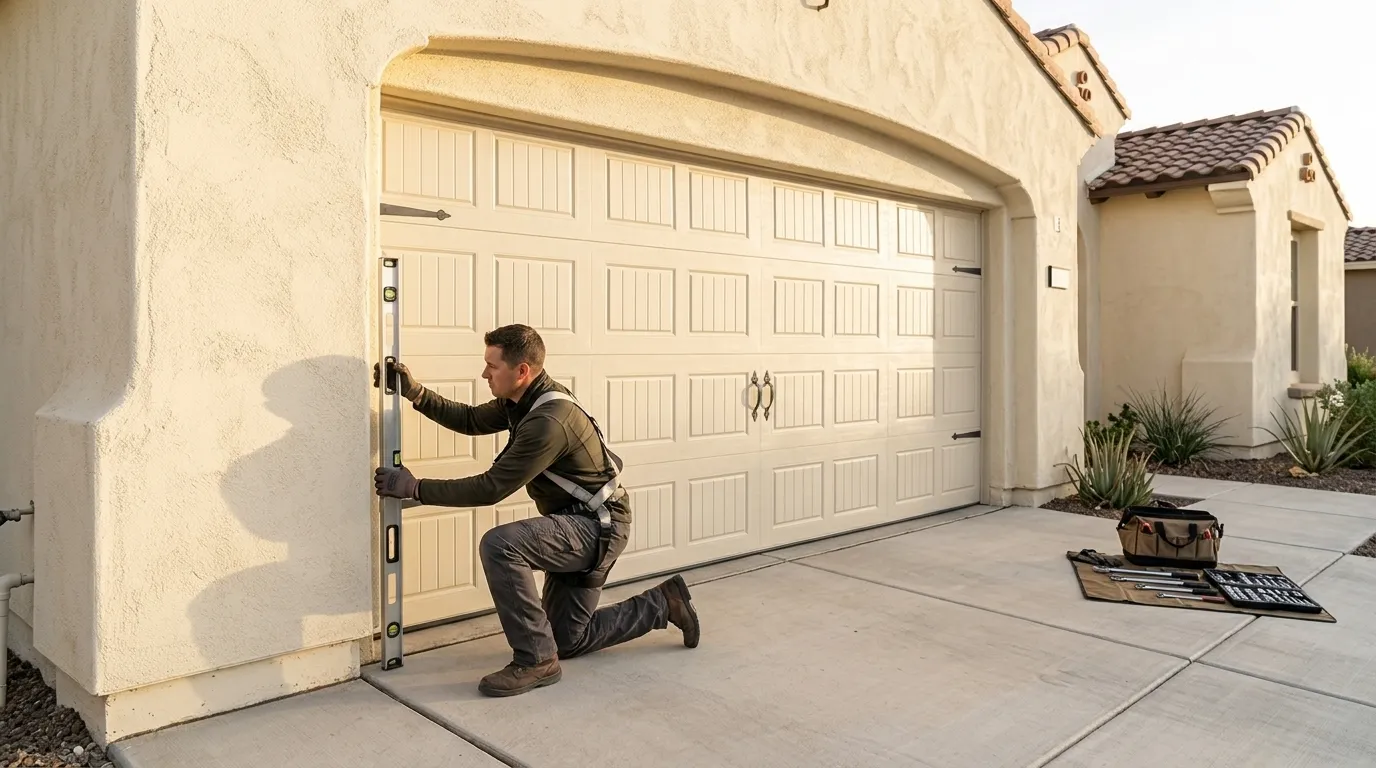
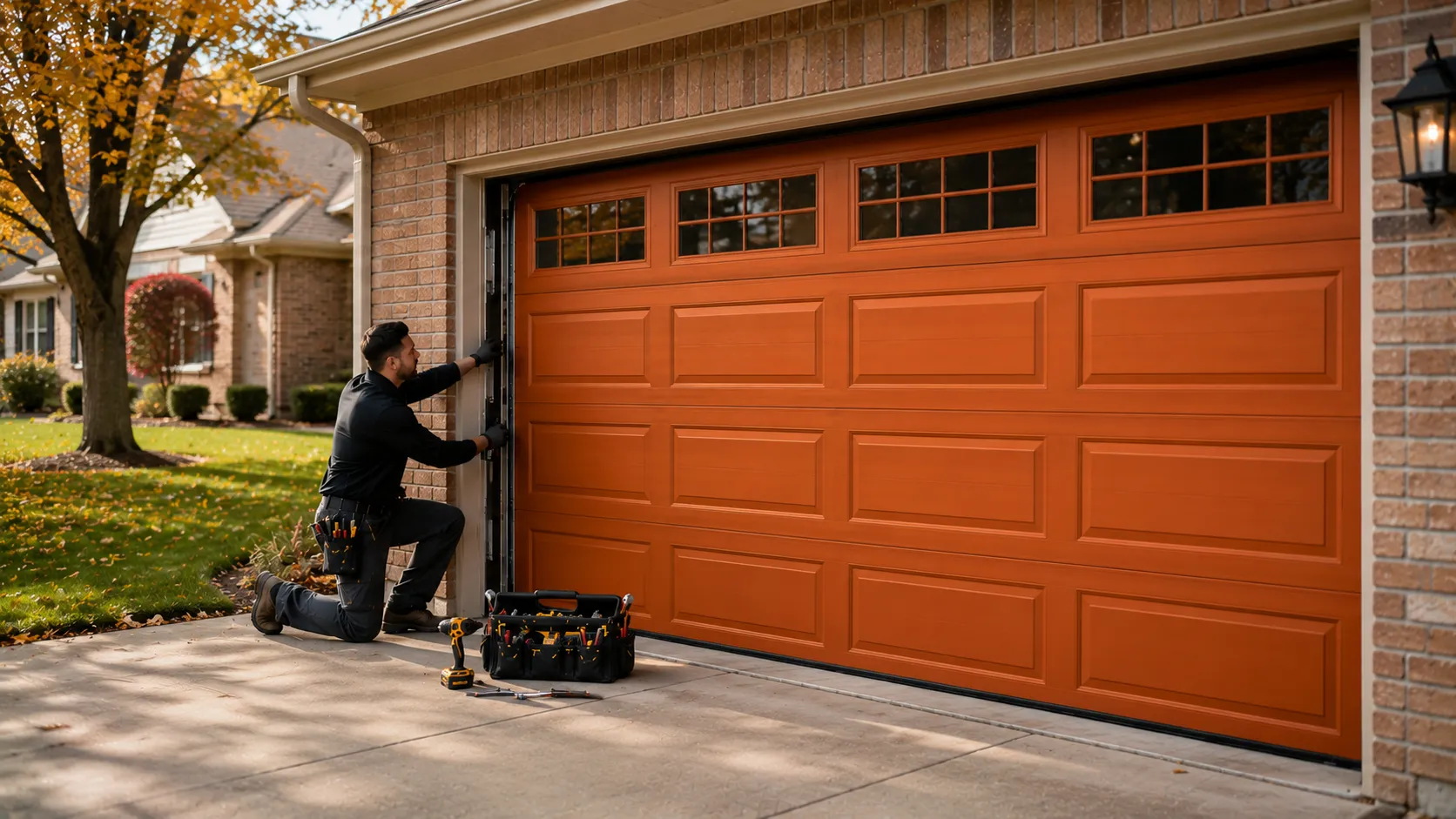
Extension spring replacement is a regular call from this part of the coverage area, tied directly to that 1975 median build year. We also see a fair number of opener swaps on houses where the door itself is original but the motor has been replaced once or twice already - chain-drive units from the 80s and 90s wearing out, getting replaced with belt-drive models. Roller and track wear shows up on doors that have never been touched since installation, which isn't rare on a well-kept older house. With only 3,083 households in this immediate area, we're not running a high-volume route through here the way we might through a denser neighborhood, so most visits are single-door jobs rather than back-to-back service calls. Cable fraying on the original extension-spring doors is worth mentioning too - it's a slow failure, not a sudden one, and it's one of the more common reasons a door starts binding or dropping unevenly on one side before it fails outright.
What Was Built Here
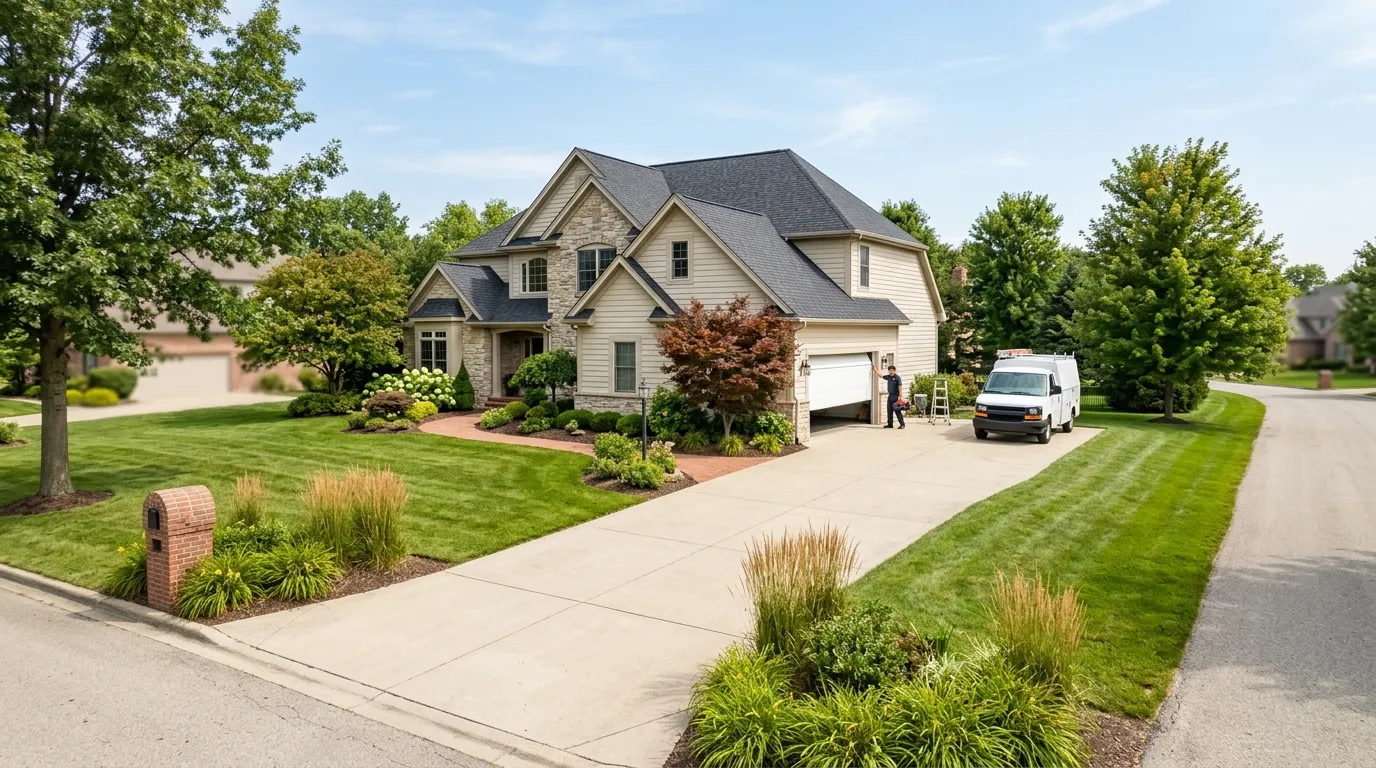
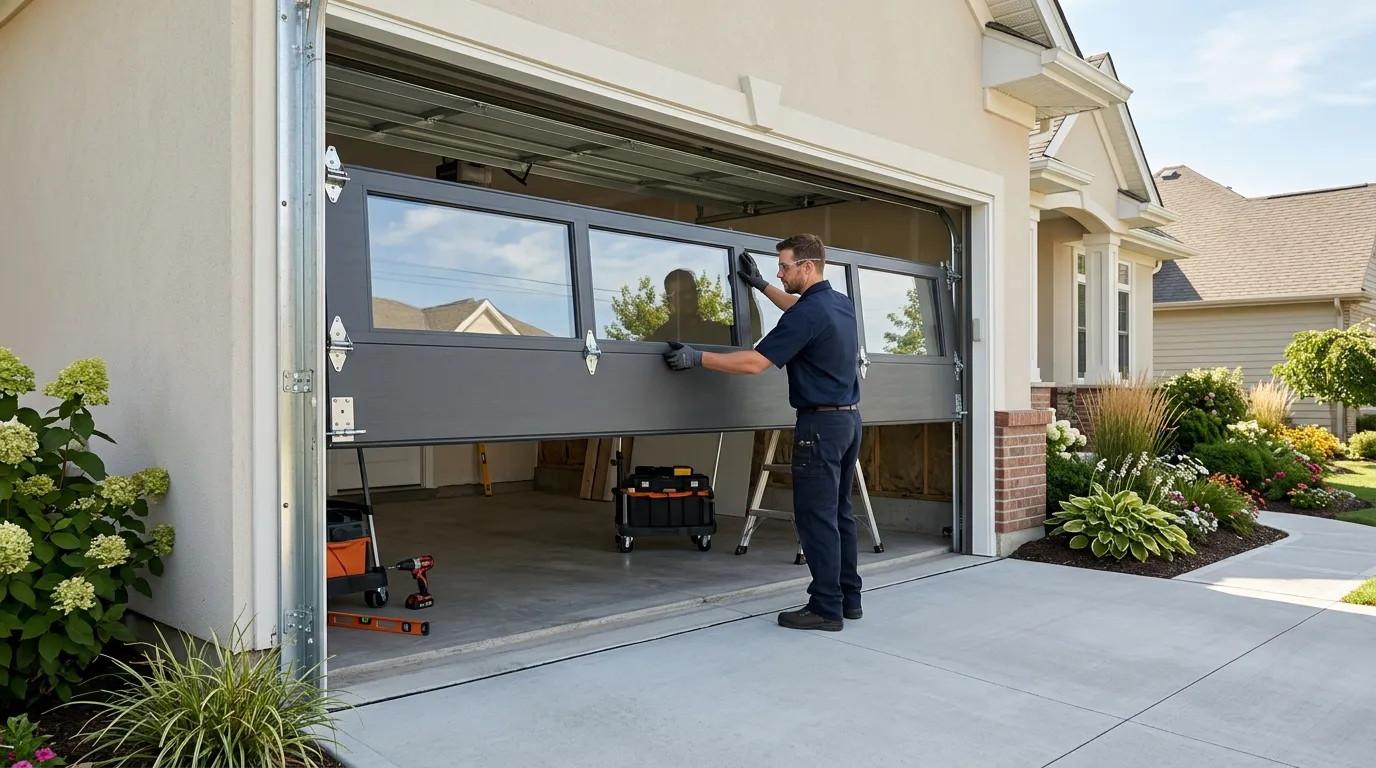
A 1975 median build year means the bulk of Siesta Key's housing sits squarely in the mid-70s wave, a touch ahead of the broader area's 1964-1999 range and its 1979 median. Median household income here runs $119,427, well above the wider service area's $77,359, and that shows up in the door stock: more insulated panel doors, more upgraded openers with battery backup, more homes that have already had at least one full door replacement rather than a patch-and-repair history. It doesn't mean every house has been updated - plenty of original doors are still doing their job fine on a well-maintained torsion or extension system. It just means when something does fail, the owner is more likely calling for a full swap to a newer insulated door than a bare-minimum fix. We work both ways, but it's worth knowing which conversation you're likely to have before the truck shows up.