Common Jobs Here
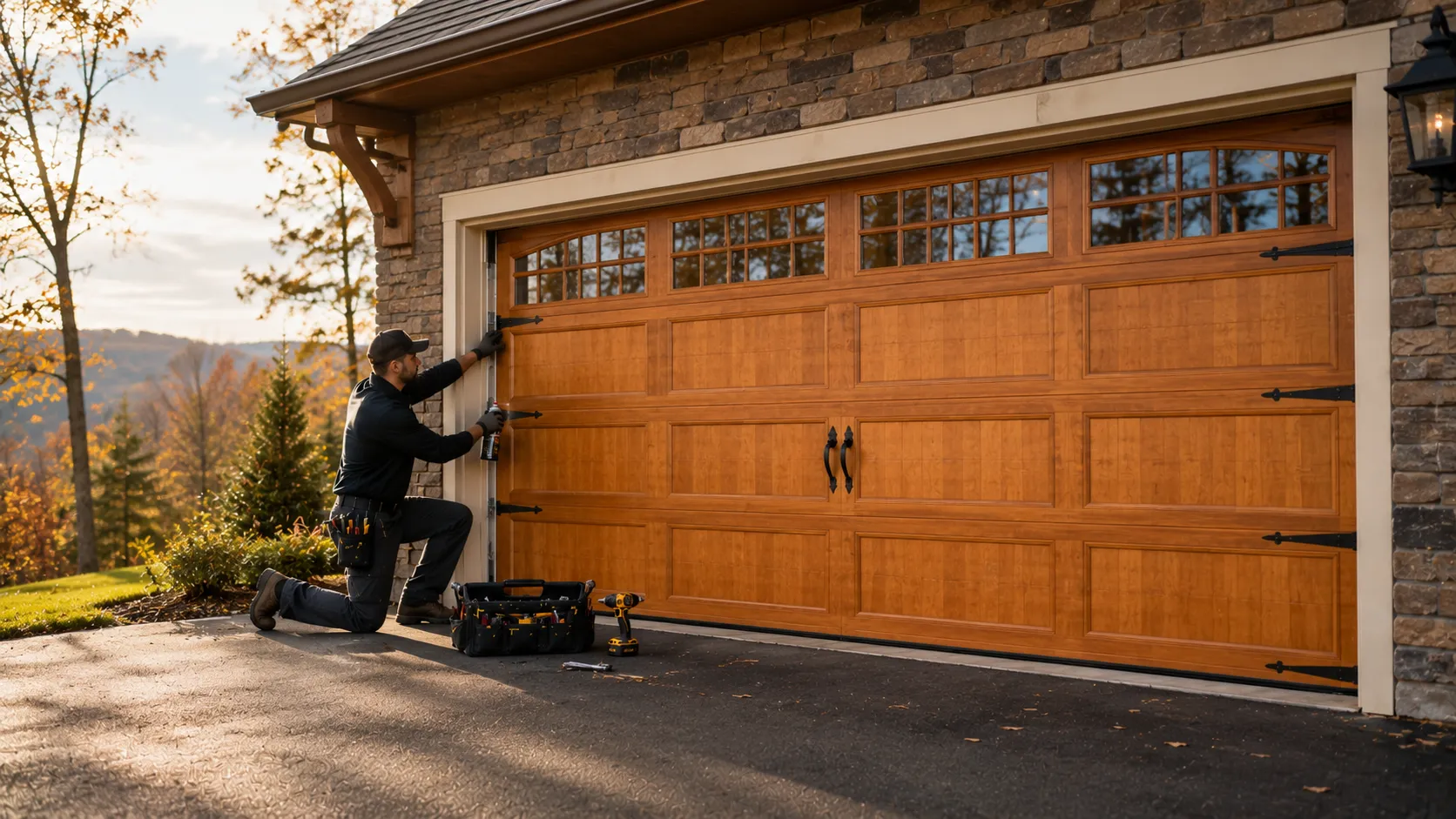
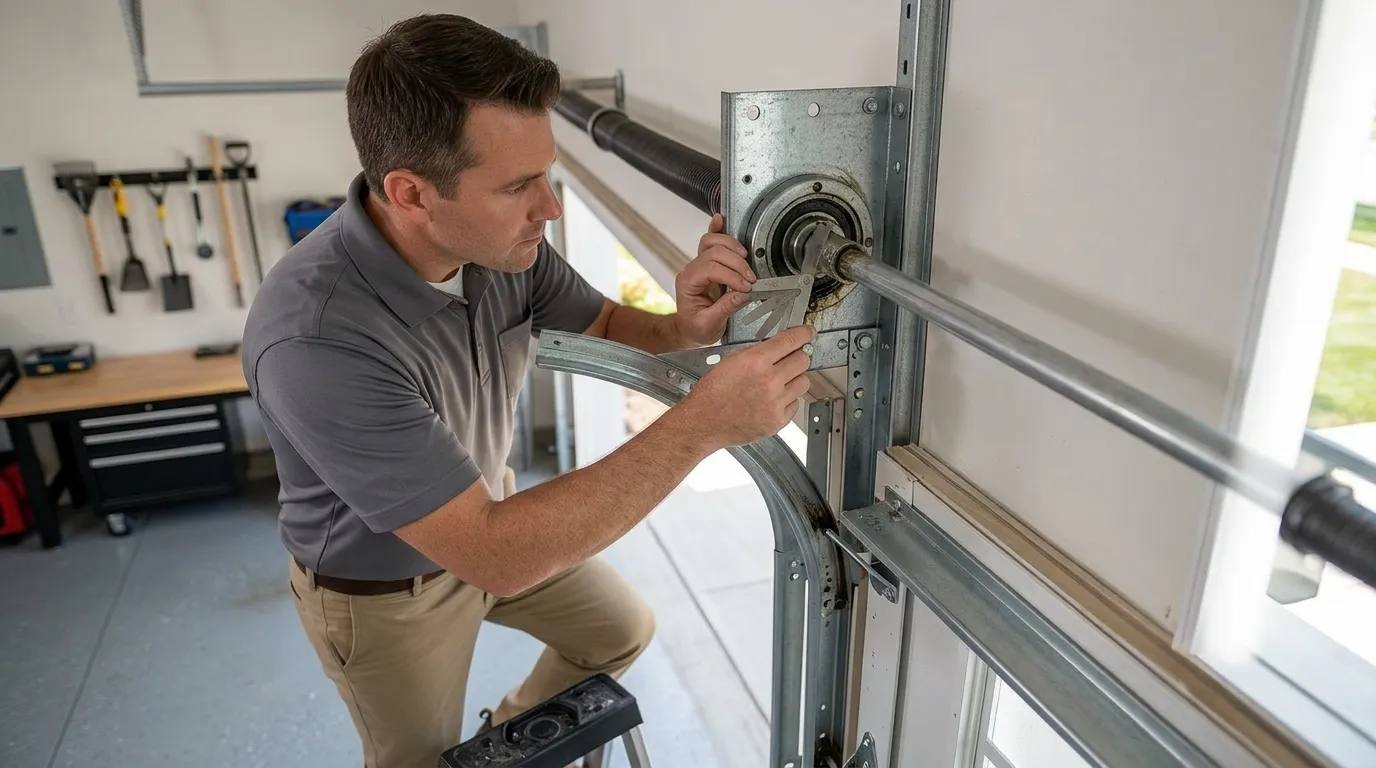
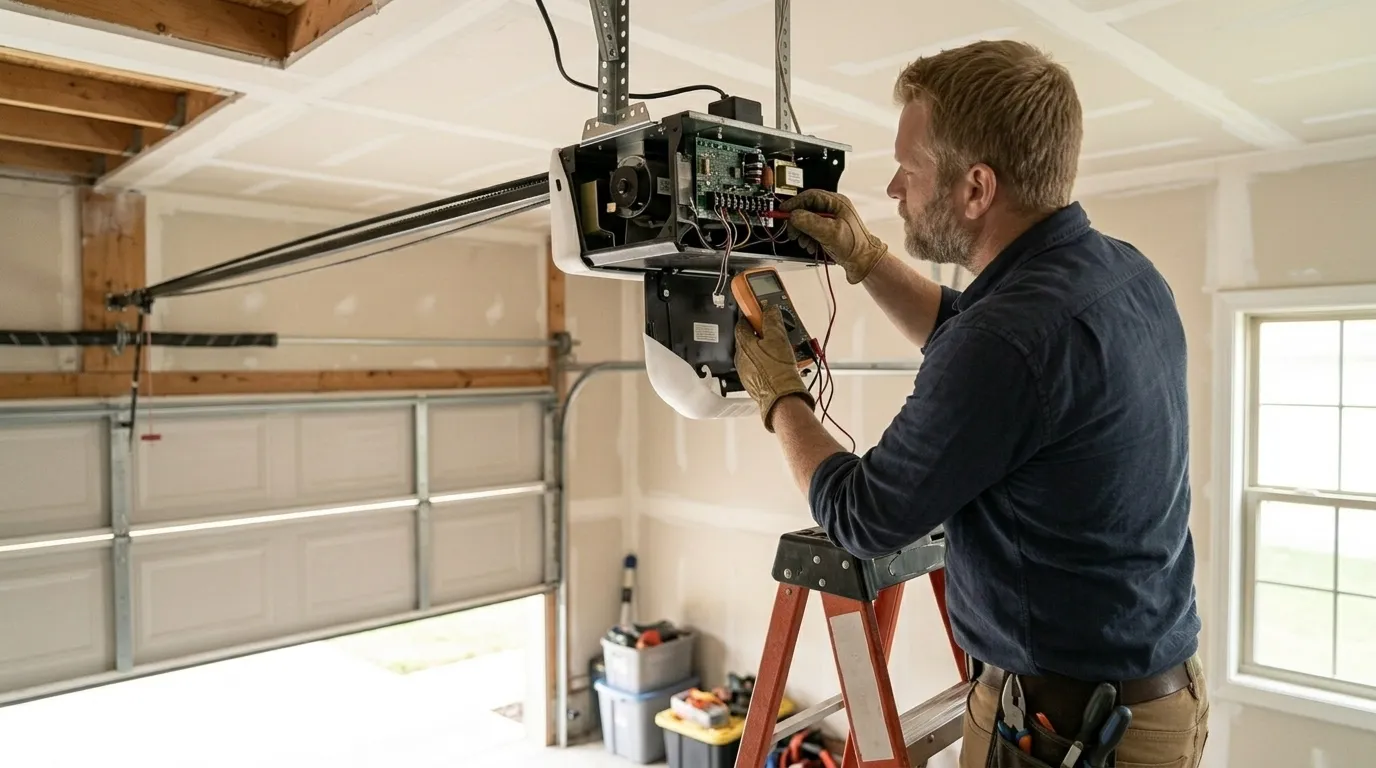
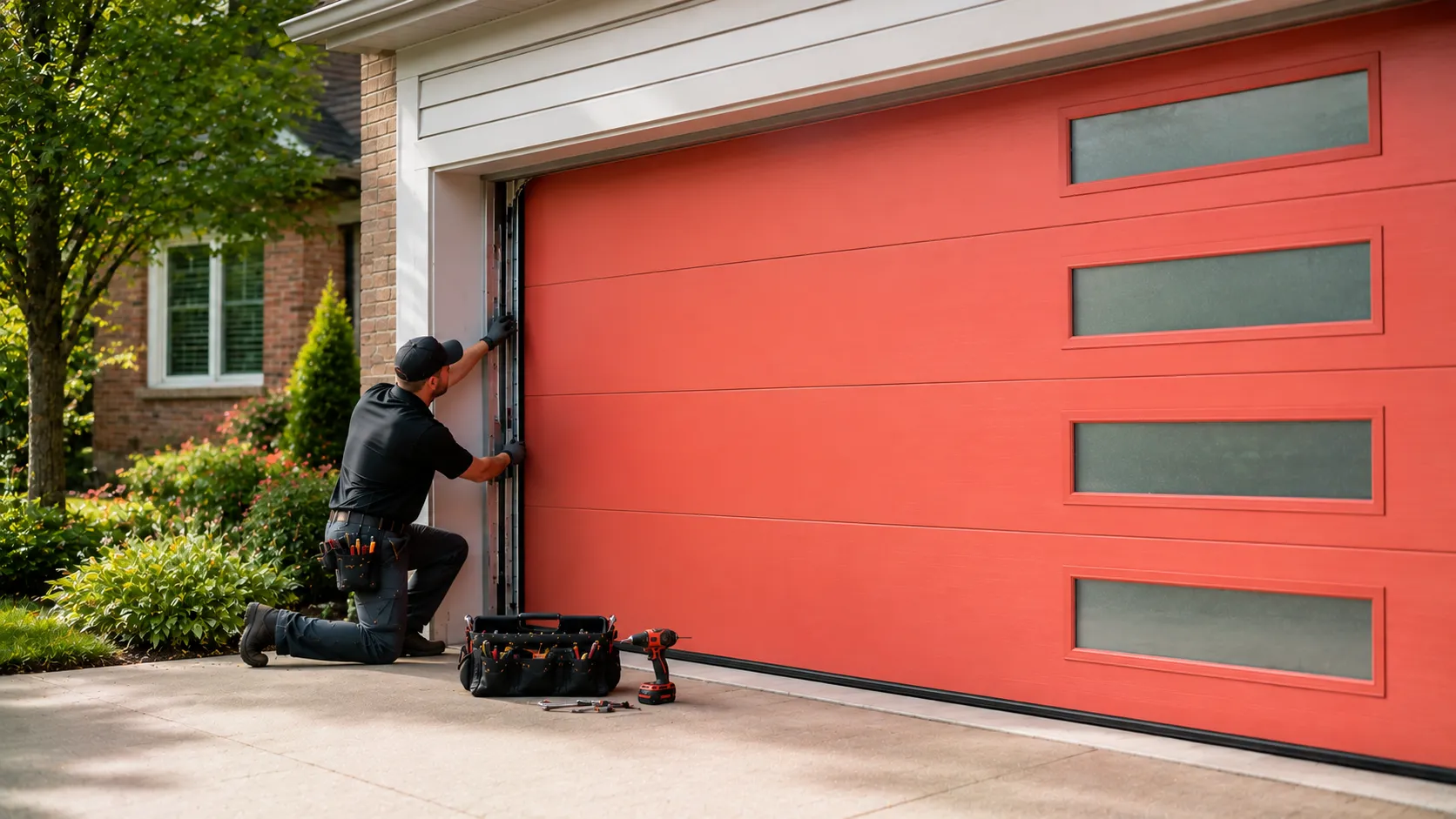
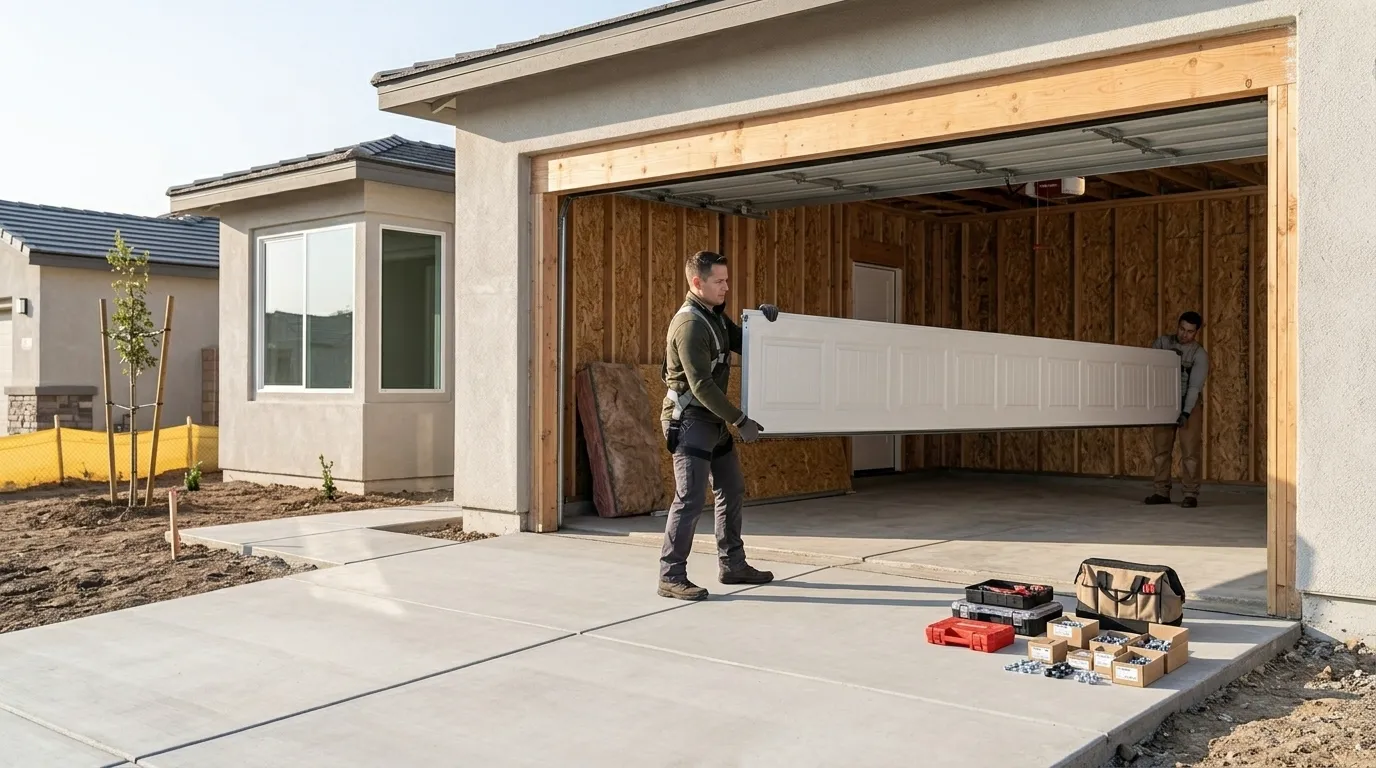
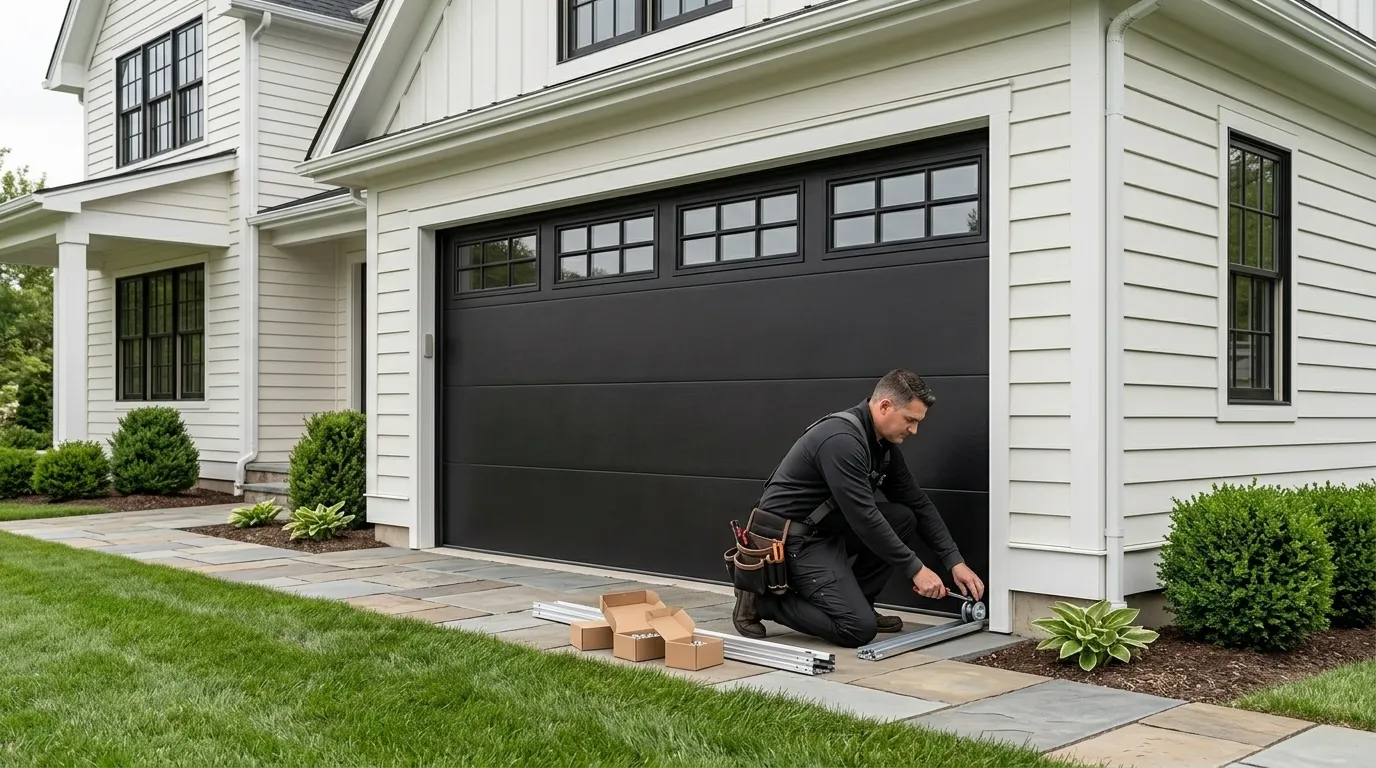
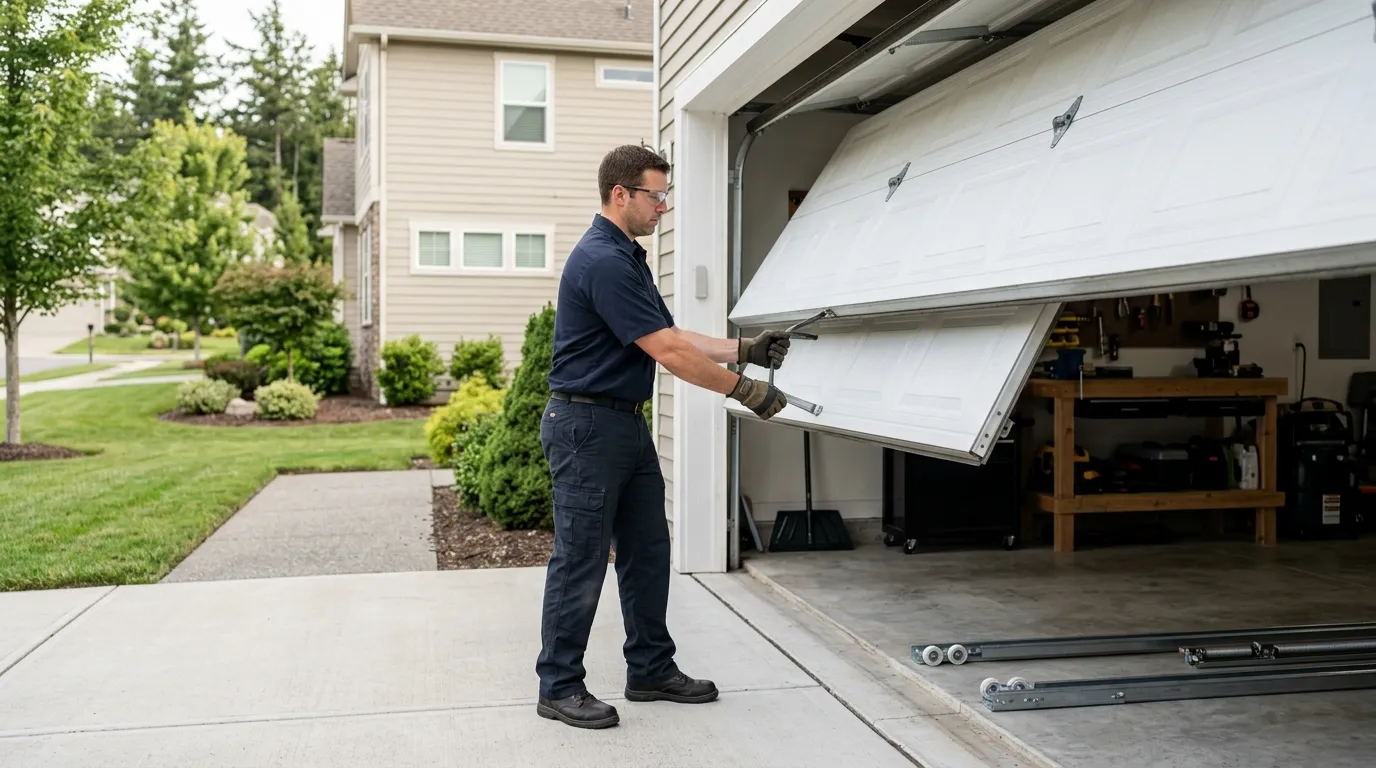
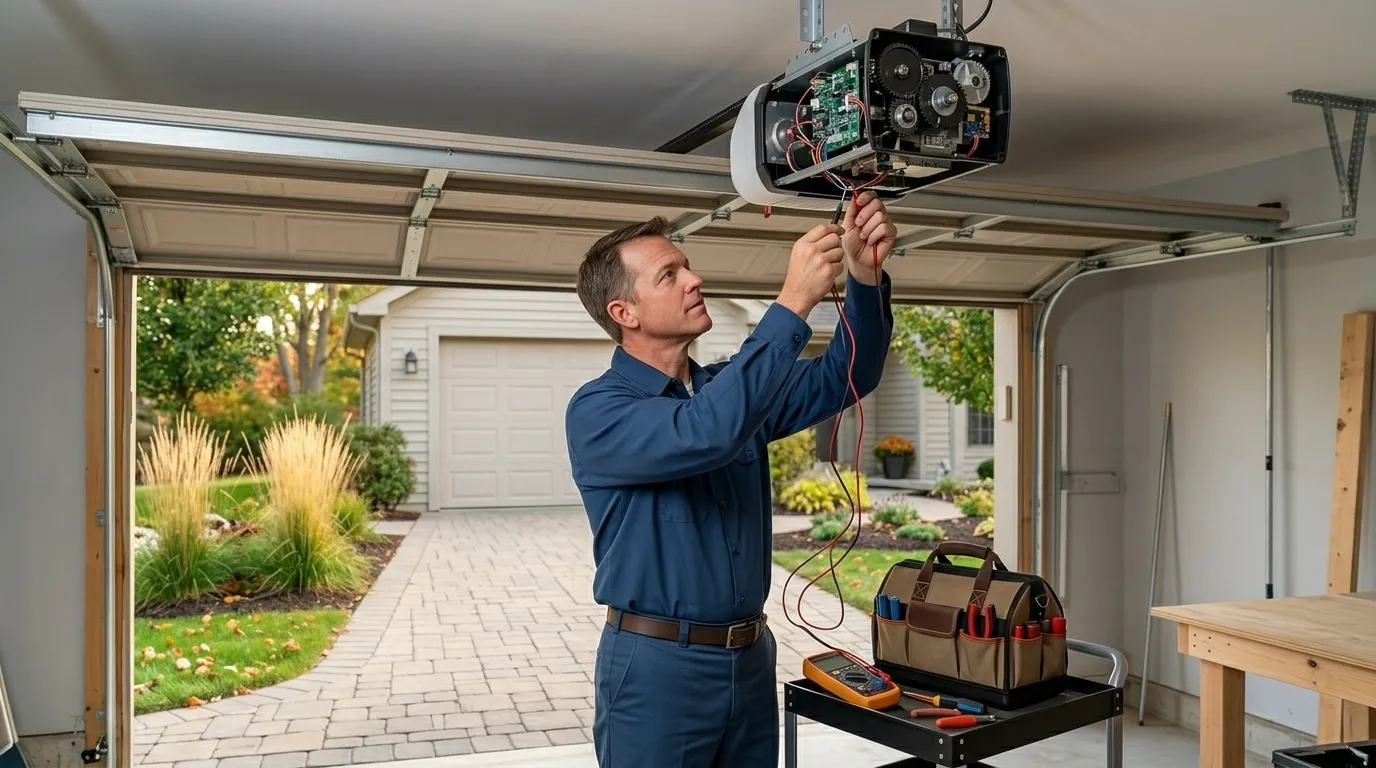
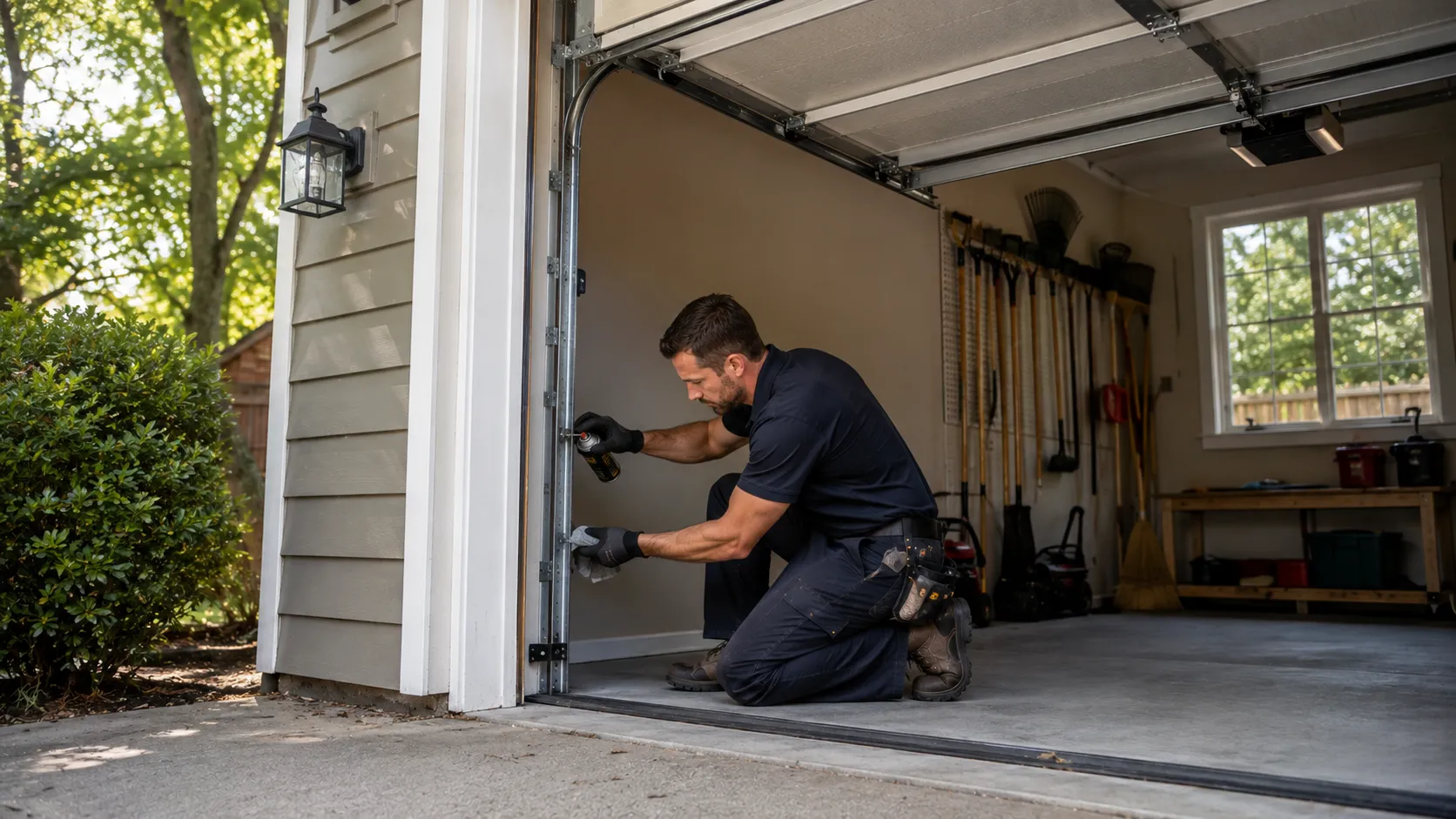
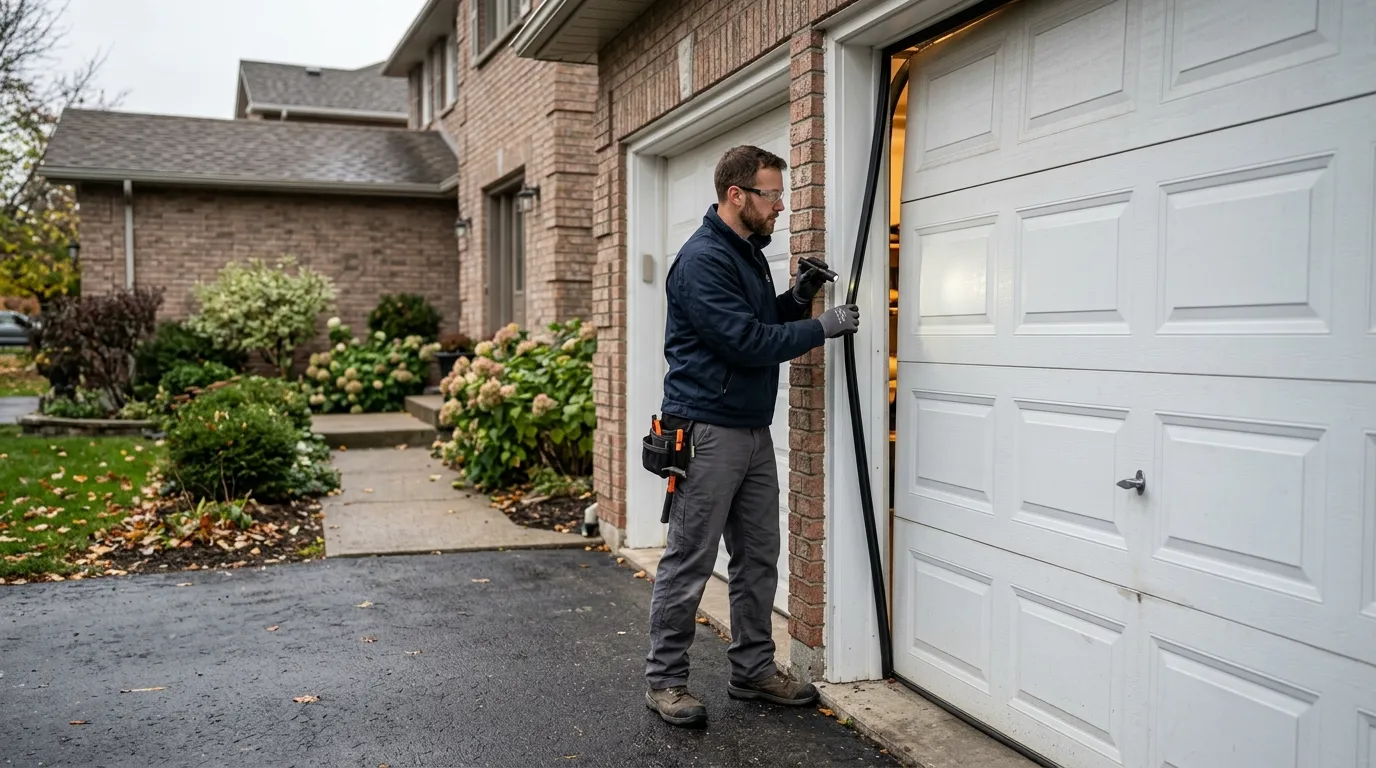
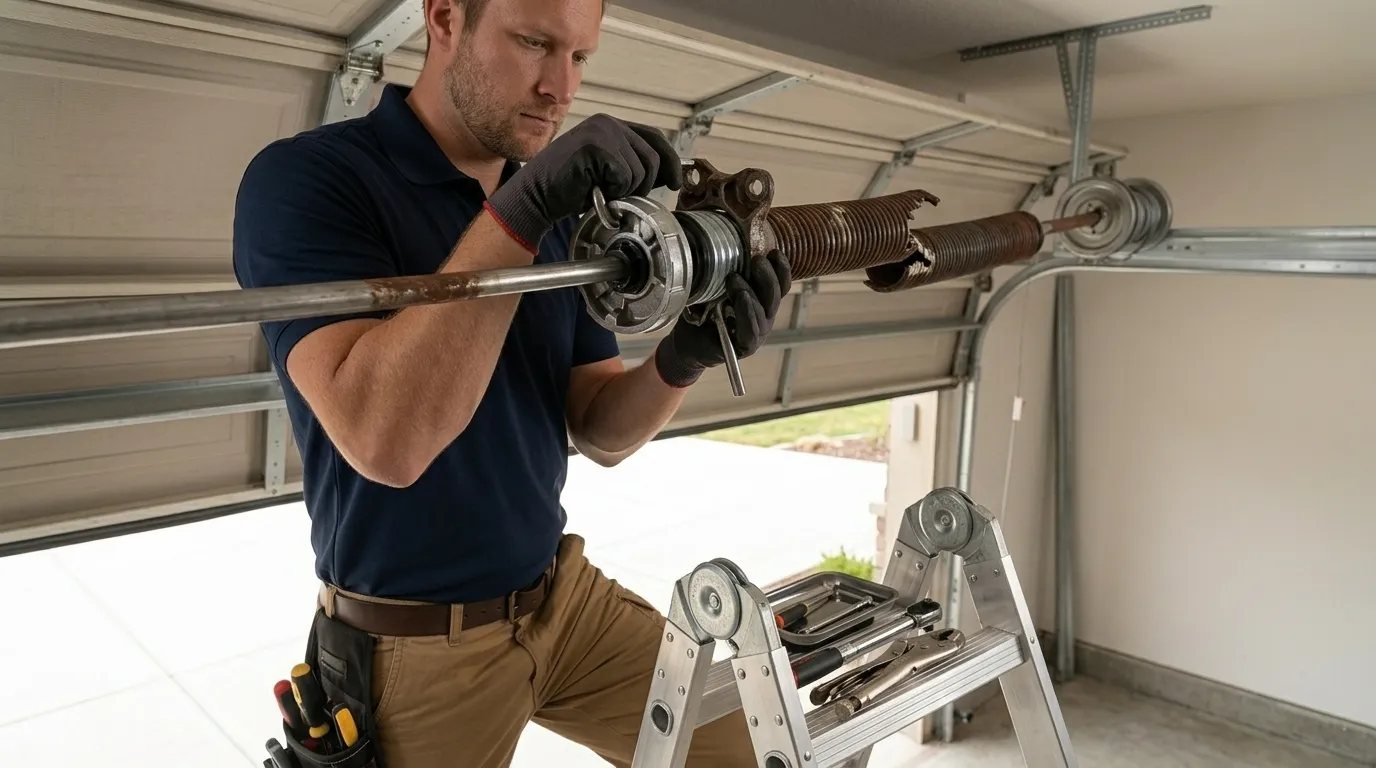
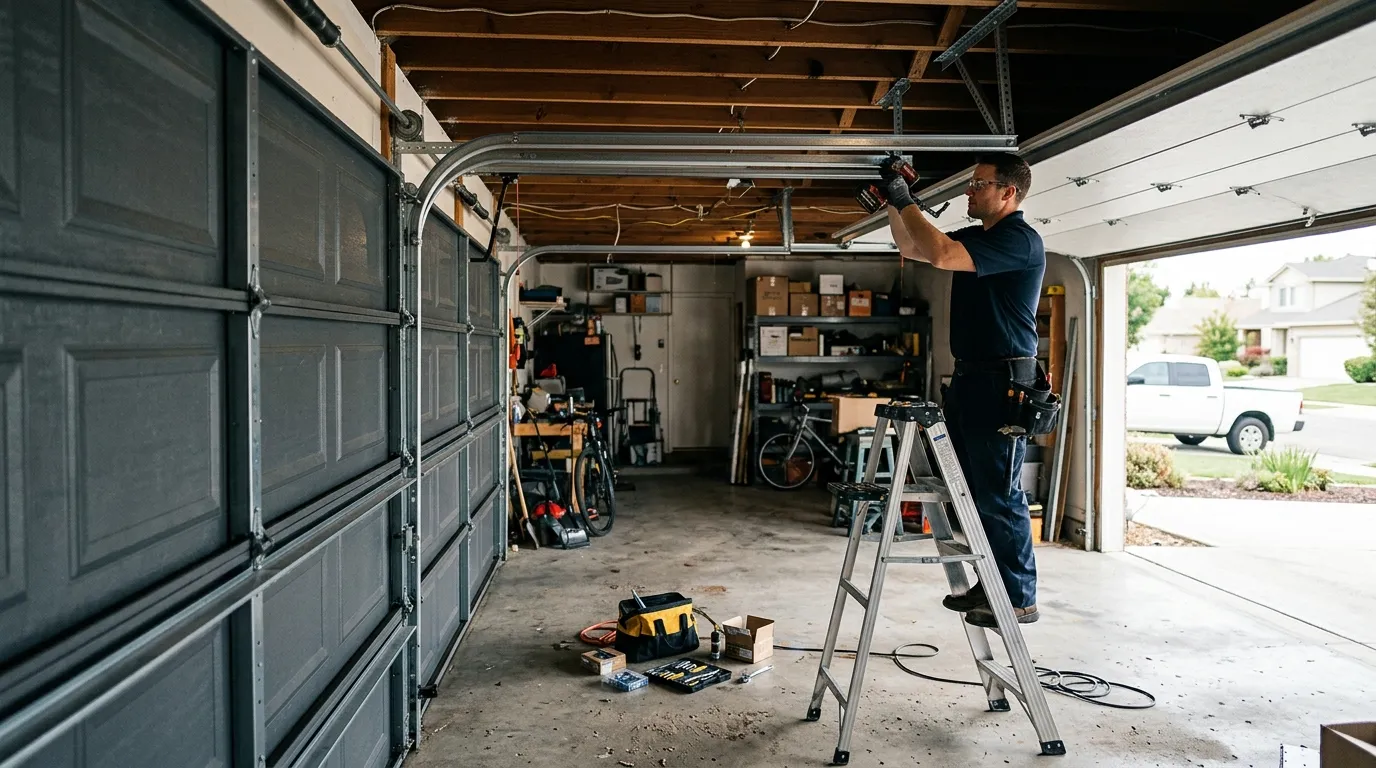
Given the age of the stock, the calls we get from Venice Gardens skew toward torsion springs that have simply outlived their coil count, and rollers worn thin on track that's flexed for fifty-plus years. Cable fraying near the bottom bracket shows up more here than in newer sections, since original cable gauge on a 1968-era door is thinner than what goes on doors built after 1990. Opener issues tend to be about mismatch - a newer opener forcing an old, heavier wood-composite panel door that was never balanced for it. We also get panel jobs: original doors here were often solid wood or early steel, and after five decades of Gulf Coast humidity, bottom panels are the first to soften and sag. Not every one of these is worth fixing. If the door itself is original and the bottom section has gone soft, patching the panel usually isn't worth the labor when the springs and track are also near the end - that's a straightforward replacement conversation, not a repair one.
What Was Built Here
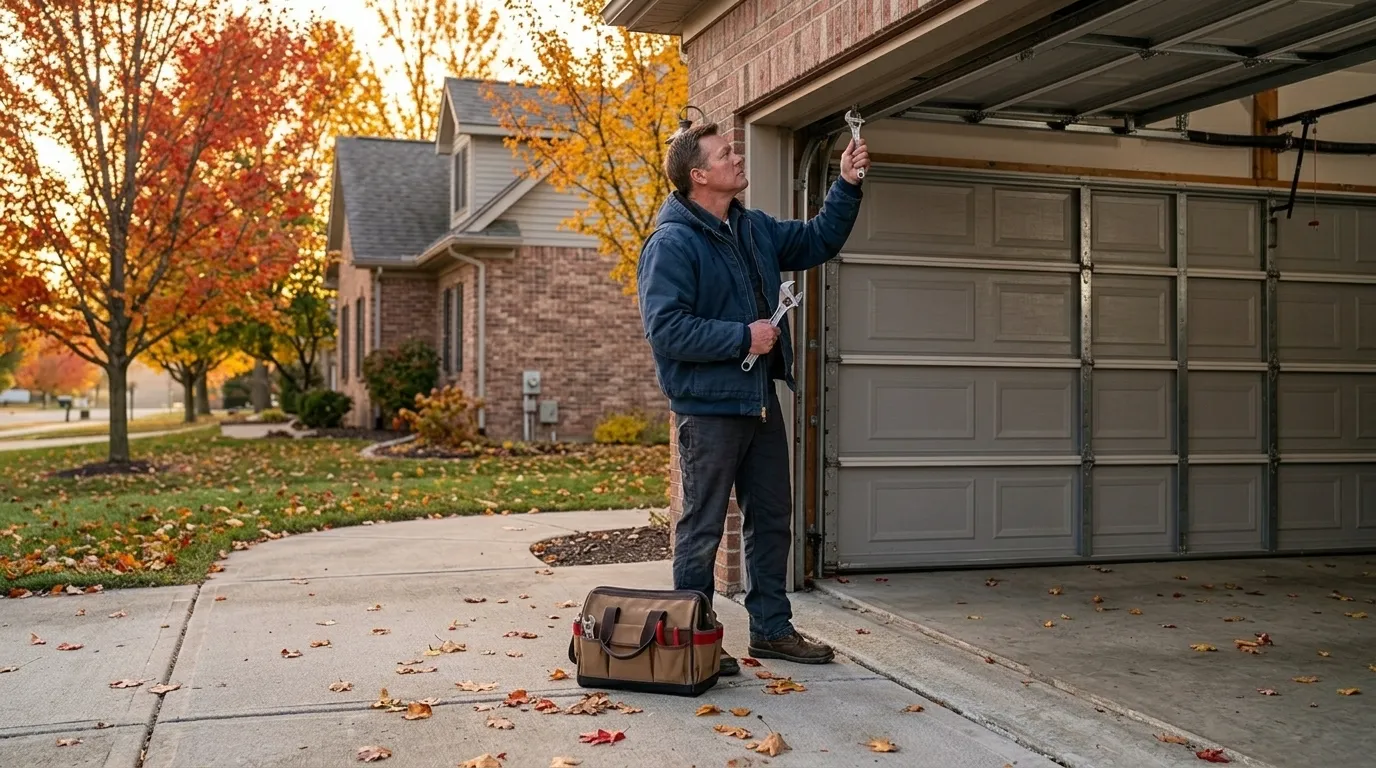
The area's homes cluster tightly around 1968, which puts Venice Gardens on the earlier edge of the region's mid-century building wave - the broader service area spans construction from 1964 through 1999, but this particular pocket sits close to the front of that range. With roughly 1,410 households and a median income near $71,000, this is a settled, established neighborhood rather than new construction, and the garage doors reflect it: original single-layer steel or early wood composite, narrower door widths typical of two-car garages built before wider bay standards became common, and hardware sized for the lighter doors of that era. The mild temperate climate here has been kind to the metal - you don't get the frost-heave or extreme swings that crack track brackets elsewhere - but decades of humidity and salt air still take a toll on unsealed wood panels and untreated cable.